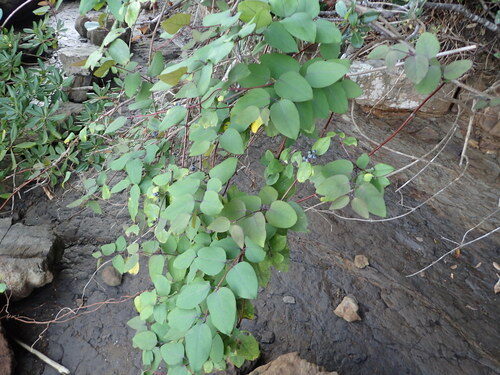
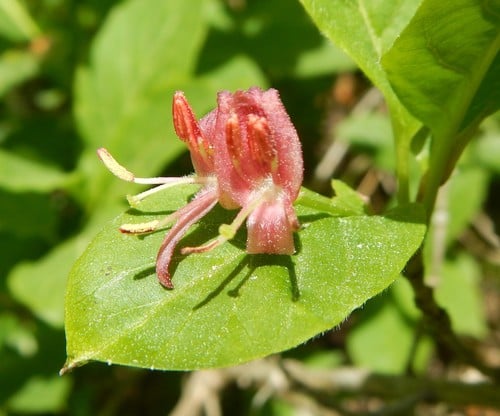
Valerianella radiata
(L.) Dufr.
Beaked Cornsalad
iNaturalist· cc-by-nd
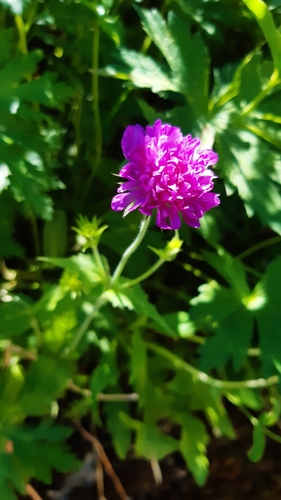
(c) Kimberlie Sasan, some rights reserved (CC BY-ND), uploaded by Kimberlie Sasan
iNaturalist· cc-by-nc
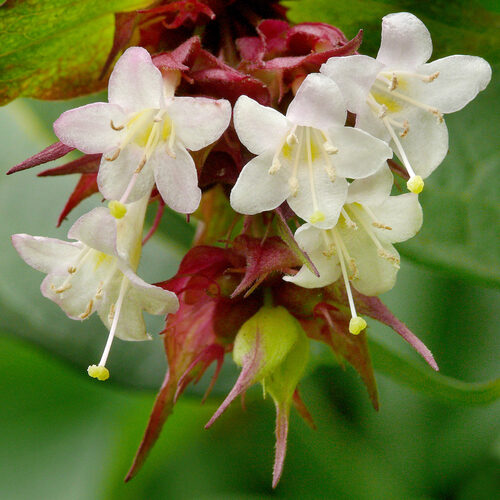
(c) Paul Marcum, some rights reserved (CC BY-NC)
iNaturalist· cc-by-nc
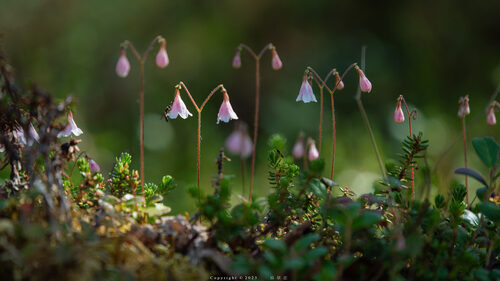
(c) Paul Marcum, some rights reserved (CC BY-NC)
Summary
Source: WikipediaAn annual plant growing to 0.6 m (2 ft) tall. Not frost tender. Hermaphroditic and self-fertile. Adapts to light sandy, medium loamy, and heavy clay soils across mildly acid to basic pH ranges. Requires full sun and tolerates both dry and moist conditions.
Description
An annual plant growing to 0.6 m (2 ft) tall. Not frost tender. Hermaphroditic and self-fertile. Adapts to light sandy, medium loamy, and heavy clay soils across mildly acid to basic pH ranges. Requires full sun and tolerates both dry and moist conditions.
Edible Uses
Young leaves are eaten raw. The root can also be used, though no preparation details are given and it is unlikely to be of any significant size.
Traditional Uses
The leaves can be used in salads.
This uses section is brief — help expand it
Medicinal Uses
None known.
Known Hazards
This plant is not known to be toxic.
Distribution
It is a temperate plant.
Where It Grows
North America, USA,
Propagation
For a continuous supply of leaves, sow seed successionally from early spring to late summer in situ. A late summer sowing may also succeed and would provide edible leaves through winter.
Other Uses
None known.
Notes
Also put in the family Valerianaceae.
Also Known As
Mache
References (1)
- Plants for a Future database, The Field, Penpol, Lostwithiel, Cornwall, PL22 0NG, UK. http://www.scs.leeds.ac.uk/pfaf/