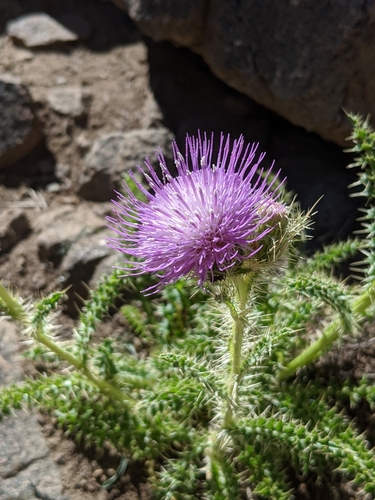
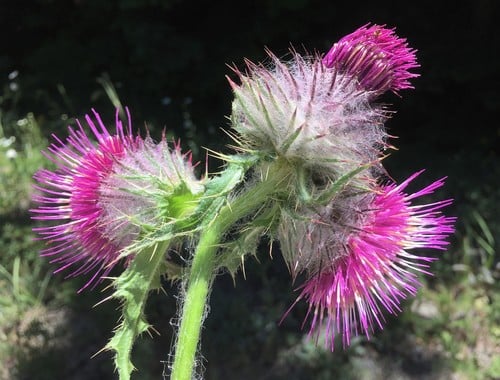
Sonchus crassifolius
Pourr. ex Willd.
Ensaladetas
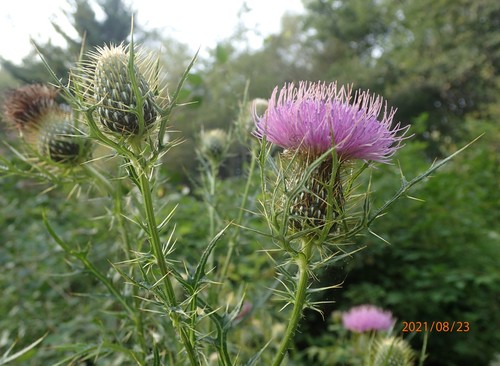
iNaturalist· cc-by-nc
(c) Jorge Pérez Arienza, some rights reserved (CC BY-NC), uploaded by Jorge Pérez Arienza
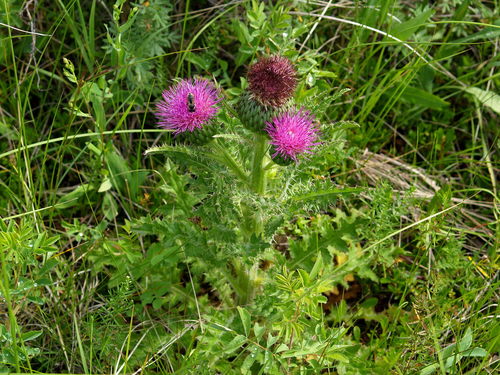
iNaturalist· cc-by-nc
(c) Jorge Pérez Arienza, some rights reserved (CC BY-NC), uploaded by Jorge Pérez Arienza
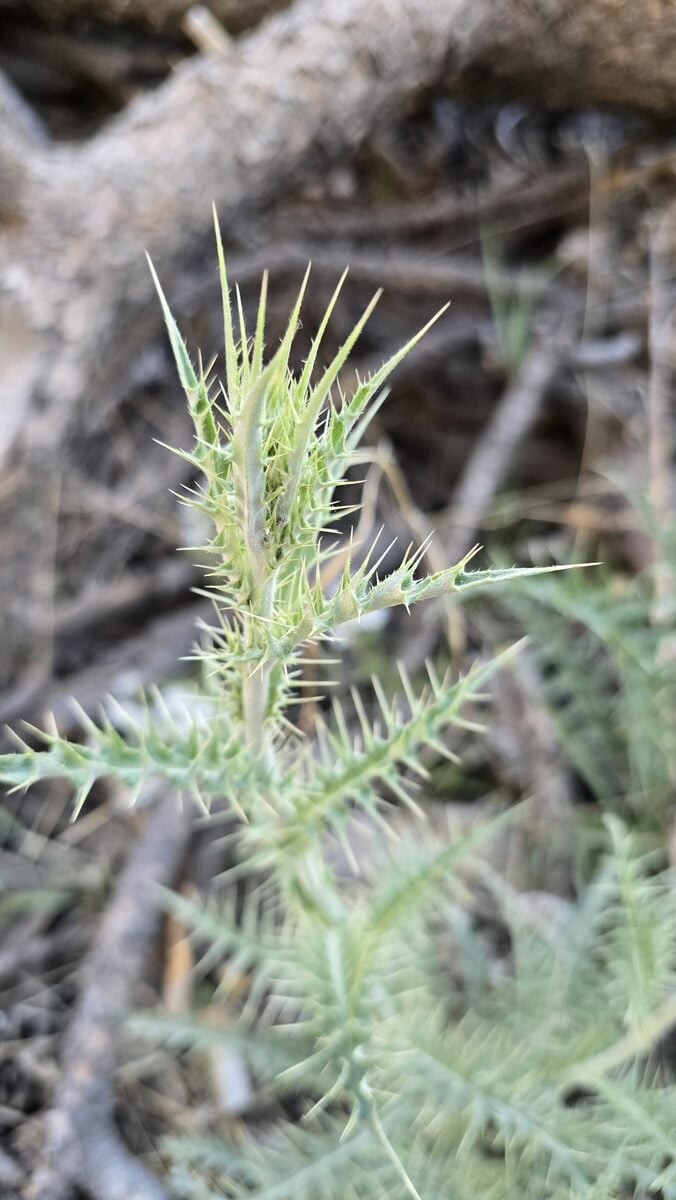
iNaturalist· cc-by-nc
(c) Jorge Calvo Yuste, some rights reserved (CC BY-NC), uploaded by Jorge Calvo Yuste
Description
Sonchus crassifolius is an evergreen Perennial growing to 0.4 m (1ft 4in) by 0.2 m (0ft 8in) at a fast rate. See above for USDA hardiness. It is hardy to UK zone 7 and is not frost tender. The flowers are pollinated by Wind, Insects, Butterflies. It is noted for attracting wildlife. Suitable for: light (sandy), medium (loamy) and heavy (clay) soils, prefers well-drained soil and can grow in nutritionally poor soil. Suitable pH: mildly acid, neutral and basic (mildly alkaline) soils and can grow in saline soils. It cannot grow in the shade. It prefers dry or moist soil and can tolerate drought.
Edible Uses
Leaves. It has been consumed as a wild edible plant, especially during times of food scarcity . The young leaves and shoots can be eaten raw in salads or cooked in various dishes. Old leaves and stalks can be bitter, but young leaves have a flavour similar to that of lettuce. Due to its limited and specific habitat, Sonchus crassifolius faces threats from habitat destruction and changes in land use. Conservation efforts are essential to protect this species from extinction. By incorporating this plant into local gastronomy and recognising its medicinal properties, there is an increased awareness and appreciation for its conservation and sustainable use.
Medicinal Uses
Traditionally, it has been used for its digestive properties. The plant contains flavonoids and phenolic acids, which contribute to its health benefits.
Distribution
Central & E. Spain.
Where It Grows
Native to: Spain.
Cultivation
Sonchus crassifolius is adapted to saline and moist environments, often found in marshes and saline meadows. It prefers full sun and well-drained soil, and it is drought-tolerant and capable of enduring light frosts. A perennial with stems 10-40 cm, simple, glabrous. Sonchus crassifolius is a hemicryptophyte, glabrous but slightly woolly on the stems and leaf undersides, with spiny leaves and yellow flowers. Its small achenes are wider than S. maritimus, aiding in identification. The plant is found in specific Iberian regions, typically in saline and moist habitats. Bioclimatic data: The plant is in the lower mesomediterranean thermotype and semi-arid to dry ombrotype. “lower mesomediterranean thermotype and semi-arid to dry ombrotype” describes a region with mild temperatures typical of the Mediterranean climate, combined with low to very low rainfall, resulting in semi-arid to arid conditions. The plant produces bright yellow flower heads (capitula) that are both axillary and terminal.
Propagation
The plant can be propagated by seed or division, typically sown in spring or autumn. It thrives in well-drained soil and full sunlight.
Other Uses
Sonchus species are used as food plants by the larvae of some Lepidoptera including Celypha rufana and the broad-barred white, grey chi, nutmeg, and shark moths. Most livestock prefer sow thistle over grass and readily eat it. This plant, related to lettuce, is also edible and nutritious for humans, which is reflected in the species name “oleraceus” of the common sow thistle (Sonchus oleraceus). Sow thistles have also been used as fodder, especially for rabbits, giving rise to the common names “hare thistle” or “hare lettuce”.
Synonyms
Also Known As
Sowthistle. Ensaladetas; Spanish; Castilian: Blanquilla, Borraja, Cerraja Salinera, Cardencha, Pa de pore, Patata de bruixa, Sal de bruixa. German: Dickblättrige Gänsedistel.