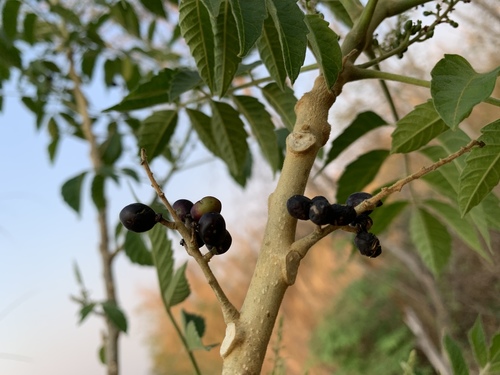
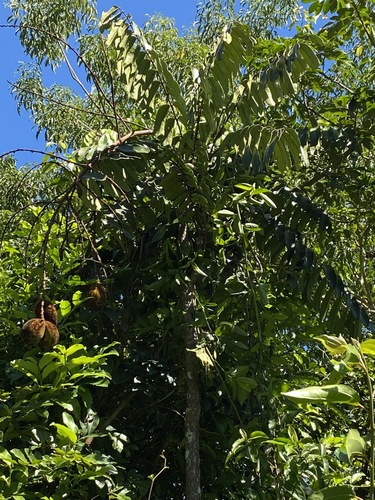
Eurycoma longifolia
Jack
Longjack
iNaturalist· cc-by-nc-sa
(c) 106611639464075912591, some rights reserved (CC BY-NC-SA), uploaded by 106611639464075912591
iNaturalist· cc-by-nc
(c) blaserk, some rights reserved (CC BY-NC), uploaded by blaserk
iNaturalist· cc-by-nc
(c) Catalina Tong, some rights reserved (CC BY-NC), uploaded by Catalina Tong
Summary
Source: WikipediaEurycoma longifolia (commonly called tongkat ali, Malaysian ginseng or long jack) is a flowering plant in the family Simaroubaceae. It is native to Indochina (Cambodia, Laos, Malaysia, Myanmar, Thailand and Vietnam) and Indonesia (the islands of Borneo and Sumatra), but has also been found in the Philippines. The plant is a medium-sized slender shrub that can reach 10 m (33 ft) in height, and is often unbranched. The root has been used in traditional medicine in Southeast Asia over centuries. It is also a widely used dietary supplement by bodybuilders, who believe that it increases testosterone levels and athletic performance, although there is no clinical evidence for its effectiveness on health or any disease. Rare cases of liver injury have occurred from its use, mostly in bodybuilders.
Description
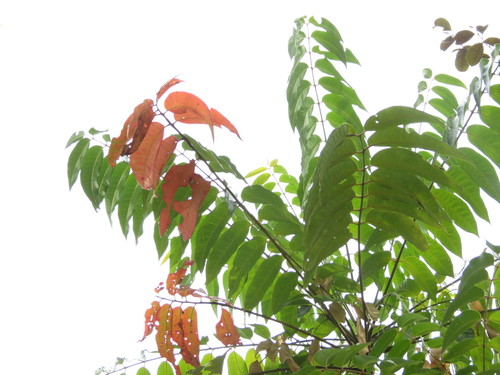
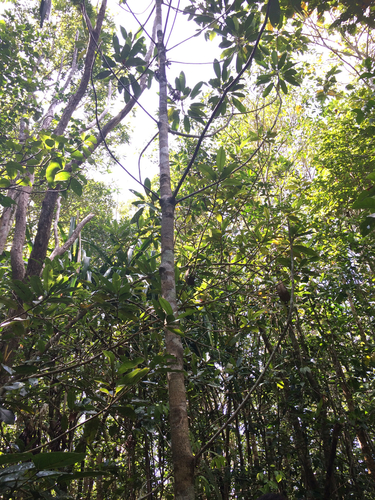
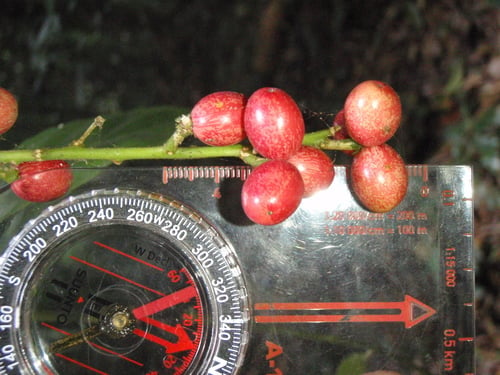
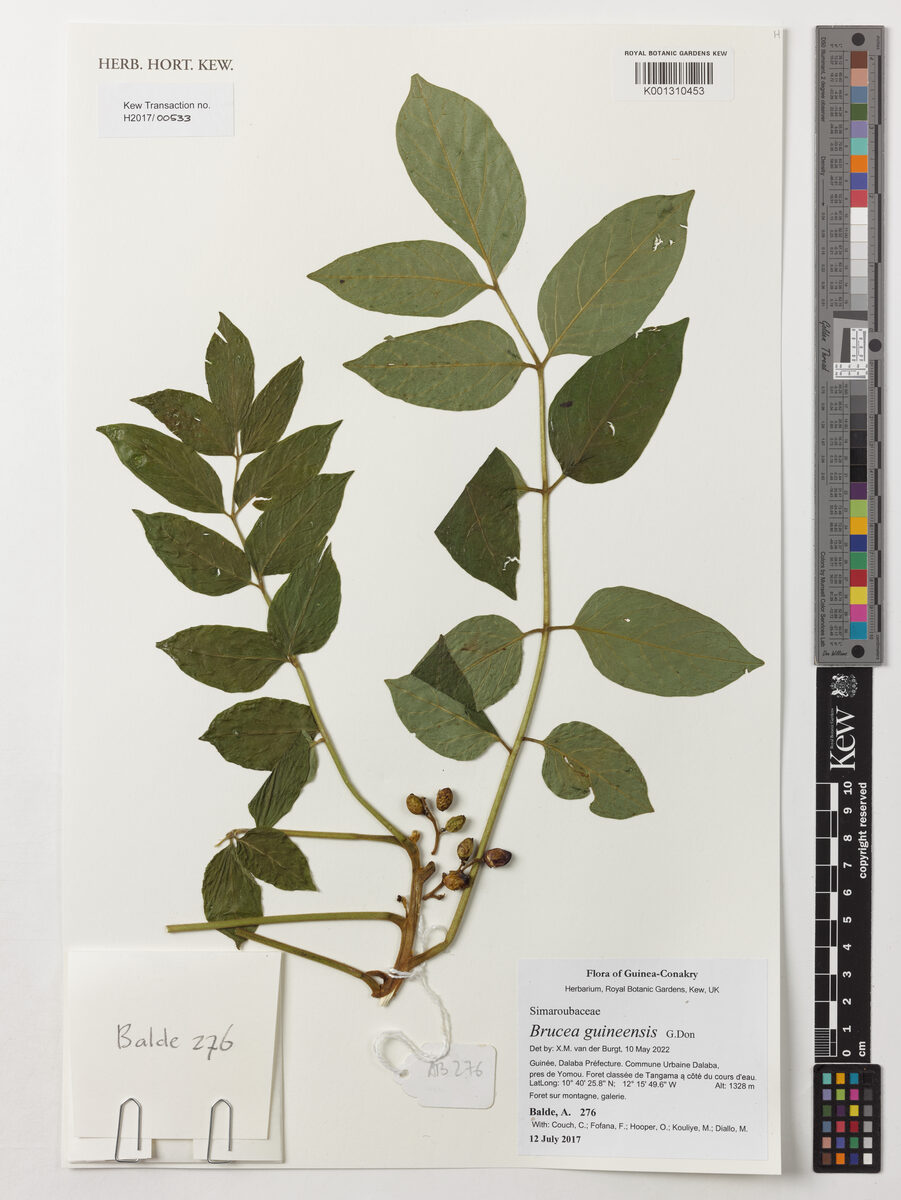
A shrub It can grow 10 m tall. The leaves are compound with 30-40 leaflets.
This description is brief — help expand it
Edible Uses
In the United States, the extract for use in dietary supplements has self-affirmed generally recognized as safe (GRAS) status, as an ingredient. Supplemental use occurs in various forms, such as root powders, an additive in tea or coffee, and capsules alone or in combination with other ingredients. It is commonly used by bodybuilders or other sports participants in the belief the compound can increase testosterone levels that would improve performance. Available clinical research has found no significant effect of E. longifolia as a supplement. It is under preliminary research for erectile dysfunction, immunomodulation, and other effects. Side effects of using supplements may include nausea, abdominal discomfort, diarrhea, or headaches. Rare cases of liver injury have occurred from its use, mostly in bodybuilders. E. longifolia supplements should not be used during pregnancy. Its long-term safety over regular use has not been adequately assessed.
Medicinal Uses
The plant is used in the traditional medicine of Indonesia, Malaysia and Vietnam where the root of the plant is boiled in water, and the water is consumed as a tonic. The flower and fruits are used to treat dysentery, and the root is used for malaria, fever, and other ailments.
Distribution
It is a tropical plant.
Where It Grows
Asia, India, Indonesia, Laos, Malaysia, SE Asia, Thailand, Vietnam,
Cultivation
A plant of the moist to wet lowland tropics, where it can sometimes be found at elevations up to 1,000 metres. It grows best in areas where annual daytime temperatures are within the range 20 - 30°c, but can tolerate 15 - 35°c. It can be killed by temperatures of -1°c or lower. It prefers a mean annual rainfall in the range 2,000 - 4,000mm, but tolerates 1,500 - 5,000mm. Succeeds in full sun and in light shade. Seedlings require shade, during which time they develop an extensive root system. Following the juvenile stage, they need stronger light to develop vegetative and reproductive parts. Succeeds in a wide range of well-drained soils, preferring a well-drained sandy loam with good supply of humus, or a friable clay to red and laterite soil. Prefers a pH in the range 4.5 - 5.5, tolerating 4 - 6. The plant is often found in the wild in Kerangas forest - a type of moist, heath forest found on acidic, sandy soils that are low in nutrients, especially nitrogen. A dioecious species, both male and female forms need to be grown if fruit and seed are required.
Notes
It is considered to have medicinal benefits.
Synonyms
Also Known As
Pasak bumi, Plalaiphek, Sengkayap, Tongkat ali
References (3)
- Jiwajinda, S., et al, 2002, Suppressive Effects of Edible Thai Plants on Superoxide and Nitric Oxide Generation. Asian Pacific Journal of Cancer Prevention, Vol 3, 2002
- Lim, T. K., 2015, Edible Medicinal and Non Medicinal Plants. Volume 9, Modified Stems, Roots, Bulbs. Springer p 42
- Septiani, Y. & Sidabutar, H., (Eds.) 2015, Biodiversity Survey. In the Sub Watershed Embaloh, Betung Kerihun National Park. ITTO p 82