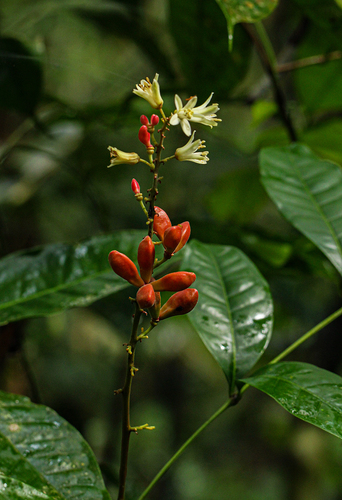
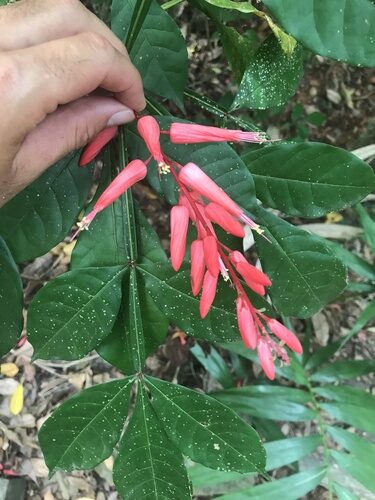
Brucea antidysenterica
J. F. Mill.
Waginos
iNaturalist· cc-by
(c) Carrie Seltzer, some rights reserved (CC BY), uploaded by Carrie Seltzer
iNaturalist· cc-by
(c) Carrie Seltzer, some rights reserved (CC BY), uploaded by Carrie Seltzer
Summary
Source: WikipediaAn evergreen tree reaching 7 meters tall with medium growth rate. Tolerates light sandy, medium loamy, and heavy clay soils across mildly acidic to basic pH ranges. Grows in full shade to full sun conditions and prefers consistently moist soil. Hardy to UK zone 10.
Description
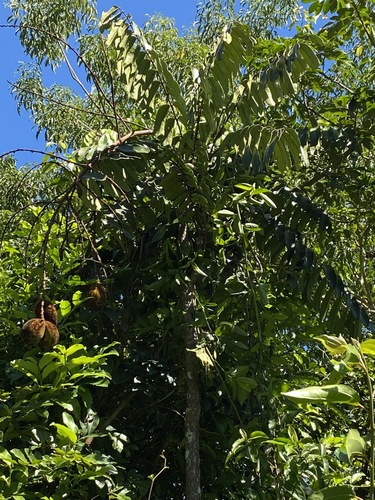
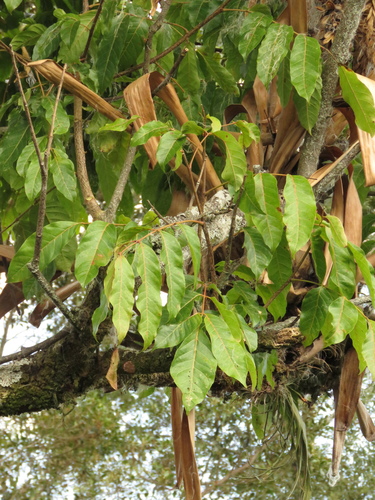
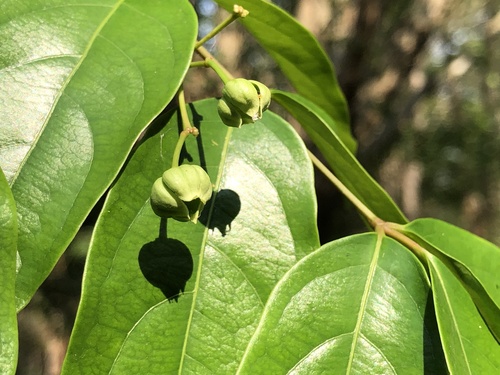
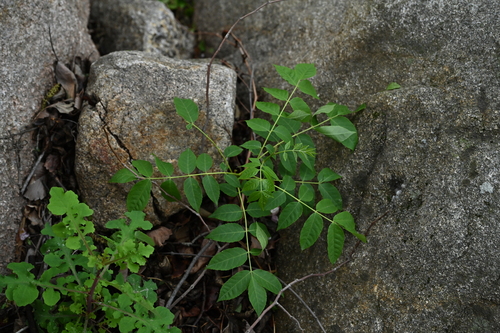
A shrub or small tree. It only has a few branches. It grows about 6-9 m tall. The bark is grey and there are heart shaped leaf scars. The leaves are alternate and usually crowded near the ends of the younger twigs. The leaves are 10-65 cm long and compound. They have 2-6 pairs of leaflets along the stalk and one at the end. The flowering shoots are 5-35 cm long. The male and female flowers are separate on separate flowering shoots. The flowers are very small and green.
Edible Uses
Edible Parts: Inner bark Edible Uses: Condiment Edible portion: Bark - spice. The bark is used as a bitter flavouring.
Traditional Uses
The bark is used as a bitter flavouring.
This uses section is brief — help expand it
Medicinal Uses
Anthelmintic Antiasthmatic Antibacterial Antidiarrhoeal Antitumor Cancer Dysentery Febrifuge Leprosy Malaria Skin As its name suggests, the plant is of value in traditional medicine for the treatment of dysentery. Modern research has confirmed this action and also highlighted other potential uses of the plant. The leaves and stem bark contain quanninoids and canthin alkaloids that have potent anticancer properties, and these have attracted much research attention in recent decades. Some trials have been inconclusive, whilst others have shown promising results, especially since the effects were facilitated in the absence of overt toxicity. In addition to their antineoplastic activity, many compounds present in the plant are highly effective against the dysentery-causing amoeba, Entamoeba histolytica, and the malaria parasite Plasmodium falciparum. Quassinoids from the plant have exhibited weak anti-tuberculosis activity in vitro, whilst their anti-HIV potential is marred by high cytotoxicity. Quassinoids are characteristic of the Simaroubaceae; they give the bark of Brucea antidysenterica a distinctive bitter taste. Canthin alkaloids, present in the root bark of Brucea antidysenterica, have anticancer and antimicrobial properties. The bark, fruit and roots are widely used against dysentery, as an anthelmintic and to treat fever. The bark, fruit, seeds, leaves and roots (sometimes boiled) are used as a remedy for diarrhoea, indigestion and stomach-ache. The leaves and roots are cooked with meat, or infused with milk (for children) to relieve asthma. Wounds and skin complaints, such as those caused by leprosy and scrofula, are treated with ointments made from the leaves and twigs mixed with ghee or butter, or from the ripe fruits mixed with honey. Preparations of the roots are used on sores caused by sexually transmitted diseases, while the leaves and seeds are used to treat cancerous skin tumours. The roots are used to treat rabies.
Known Hazards
Brucine intoxication occurs very rarely, since it is usually ingested with strychnine. Symptoms of brucine intoxication include muscle spasms, convulsions, rhabdomyolysis, and acute kidney injury. Brucine’s mechanism of action closely resembles that of strychnine. It acts as an antagonist at glycine receptors and paralyzes inhibitory neurons. The probable lethal dose of brucine in adults is 1 g. In other animals, the LD50 varies considerably.
Distribution
It is a tropical plant. It grows as an understorey plant in the rainforest. It suits humid locations. In Malawi it grows between 1,400-2,800 m altitude. It continues growing in the dry season.
Where It Grows
Africa, Angola, Cameroon, Central Africa, Congo, East Africa, Eritrea, Ethiopia, Guinea, Guinée, Malawi, Nigeria, Sudan, West Africa, Zambia,
Cultivation
The plant grows at moderate elevations, usually to 2,500 metres but exceptionally to 3,700 metres in the moister tropics of Africa. Vegetative growth, flowering and fruiting continue throughout the year, even in the dry season. Brucea antidysenterica has been recorded as a host plant of the Mediterranean fruit fly, a major pest of the fruit industry.
Propagation
Seed - best sown in situ. Readily propagated from seed, an alternative method of propagation is transplanting wildlings. Seed can be stored at room temperature for over a year.
Other Uses
Dye Fuel Roofing Other uses rating: Low (1/5). Other Uses: The fruit contains about 22% oil. No uses are mentioned. A yellow dye in the fruit endocarp is non-soluble in water. The wood is used as firewood and for roof construction. Special Uses
Other Information
It is a cultivated food plant.
Notes
There are about 10 Brucea species. Possibly edible. Also in Rutaceae family. It contains a chemical called Bruceantin that helps kill amoeba causing dysentery. The bark, fruit and leaves are used. It helps control malaria parasites. It has anticancer properties.
Synonyms
Also Known As
Hadhawwaa, Hadhowa
References (7)
- Burckill, H. M., 1985, The Useful Plants of West Tropical Africa. Vol. 5.
- Demise, S. & Asfaw, Z., 2020, Ethno Botanical Study of Wild Edible Plants in Adola District, Southern, Ethiopia. International Journal of Research and Analytical Reviews (IJRAR) 7(2). (As Brucea ferruginea)
- Emire, A., et al, 2021, Ethnobotanical Study of Wild Edible Fruit Tree and Shrub Species in Adola Rede and Odo Shakiso Midland Districts of Guji Zone, Southern Ethiopia. Int. J. Adv. Res. Biol. Sci. (2021). 8(12): 96-109 (As Brucea ferruginea)
- Fowler, D. G., 2007, Zambian Plants: Their Vernacular Names and Uses. Kew. p 84
- Molla, A., Ethiopian Plant Names. http://www.ethiopic.com/aplants.htm
Show all 7 references Hide references
- Seidemann J., 2005, World Spice Plants. Economic Usage, Botany, Taxonomy. Springer. p 70
- White, F., Dowsett-Lemaire, F. and Chapman, J. D., 2001, Evergreen Forest Flora of Malawi. Kew. p 550