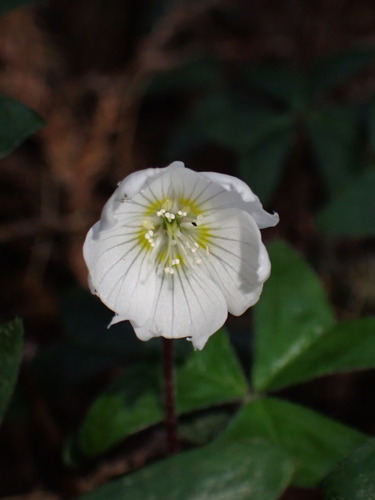
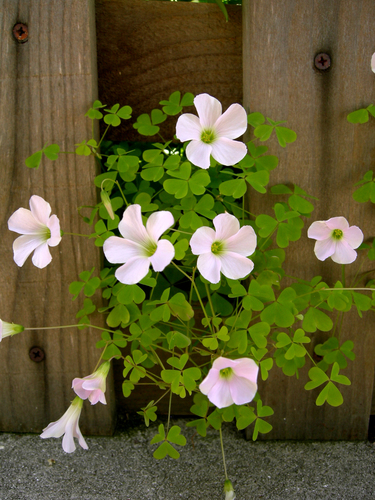
Oxalis grandis
Small
Great Yellow Woodsorrel
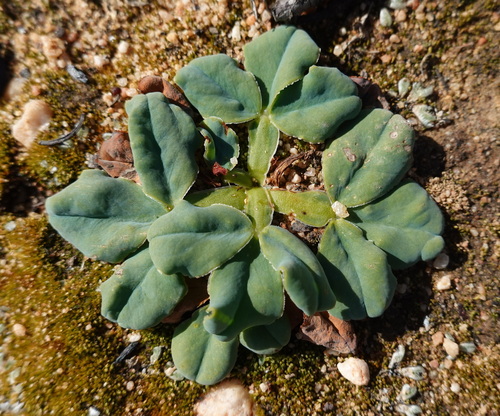
iNaturalist· cc-by-nc
(c) Matt Rung, some rights reserved (CC BY-NC), uploaded by Matt Rung
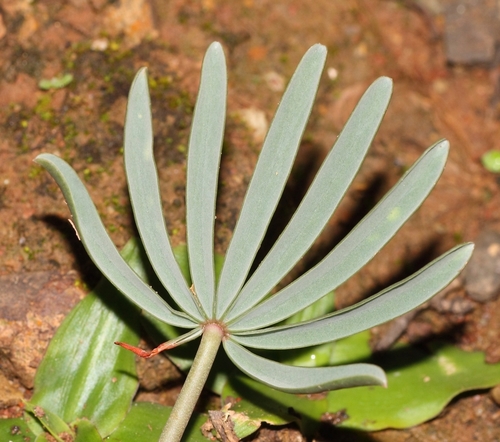
iNaturalist· cc-by-nc
(c) Matt Rung, some rights reserved (CC BY-NC), uploaded by Matt Rung
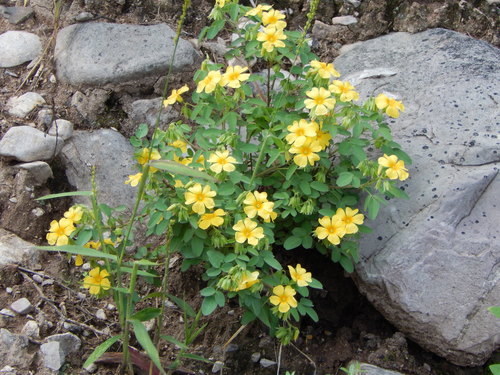
iNaturalist· cc-by-nc
(c) Richard Candler, some rights reserved (CC BY-NC), uploaded by Richard Candler
Description
Oxalis grandis is a ANNUAL/PERENNIAL growing to 0.2 m (0ft 8in) by 0.2 m (0ft 8in) at a fast rate. See above for USDA hardiness. It is hardy to UK zone 6. It is noted for attracting wildlife. Suitable for: light (sandy), medium (loamy) and heavy (clay) soils and prefers well-drained soil. Suitable pH: mildly acid, neutral and basic (mildly alkaline) soils. It can grow in full shade (deep woodland) or semi-shade (light woodland). It prefers moist soil.
Edible Uses
Leaves are tart. Leaves - raw or cooked. A delicious lemony flavour, the leaves make a refreshing, thirst-quenching munch and are also added to salads, soups, sauces etc. This leaf should be used in moderation, see the notes above on toxicity. Flowers - raw. A decorative addition to salads.The plant can be toxic and only small amounts should be eaten. Large quantities may cause trembling, cramps, and staggering as in grazing animals.
Medicinal Uses
Some Oxalis species have medicinal properties but no information could be found for this species. For example Oxalis acetosella: The fresh or dried leaves are anodyne, antiscorbutic, astringent, diuretic, emmenagogue, expectorant, febrifuge, irritant and stomachic. A decoction is used in the treatment of fevers, both to quench the thirst and allay the fever. Externally, the leaves are crushed and applied locally to dispel boils and abscesses, they also have an astringent affect on wounds. When used internally, some caution is advised due to the oxalic acid content of the leaves, the plant is contra-indicated for people suffering from gastritis or a calculus condition.
Known Hazards
The leaves contain oxalic acid, which gives them their sharp flavour. Perfectly all right in small quantities, the leaves should not be eaten in large amounts since oxalic acid can bind up the body's supply of calcium leading to nutritional deficiency. The quantity of oxalic acid will be reduced if the leaves are cooked. People with a tendency to rheumatism, arthritis, gout, kidney stones or hyperacidity should take especial caution if including this plant in their diet since it can aggravate their condition.
Distribution
Native to the eastern United States from Georgia north to Pennsylvania and Wisconsin, west as far as Louisiana.
Where It Grows
NORTHERN AMERICA: United States, Alabama, District of Columbia, Georgia, Indiana, Kentucky, Maryland, North Carolina, Ohio, Pennsylvania, South Carolina, Tennessee, Virginia, West Virginia,
Cultivation
Annual or perennial herb preferring shade to semi-shade and a mesic - moist to slightly dry soil. Bloom Color: Yellow. Bloom Time: May to Sep.
Propagation
Seed - best sown as soon as it is ripe in a cold frame. Prick out the seedlings into individual pots when they are large enough to handle and plant them out in late spring or early summer. Division in spring. Very easy, larger divisions can be planted out direct into their permanent positions. We have found that it is better to pot up the smaller divisions and grow them on in light shade in a cold frame until they are well established before planting them out in late spring or early summer.
Other Uses
The juice of the leaves removes iron mould stains from linen. Plants can be grown as a ground cover in woodland or under the shade of shrubs.
Synonyms
Also Known As
Great yellow wood-sorrel, Great yellow wood-sorrel, Large Yellow Wood-sorrel, Oxalis Sourgrass