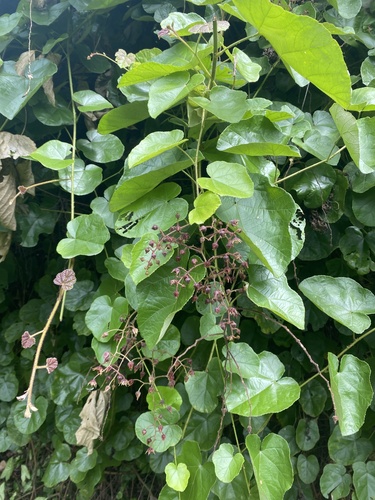
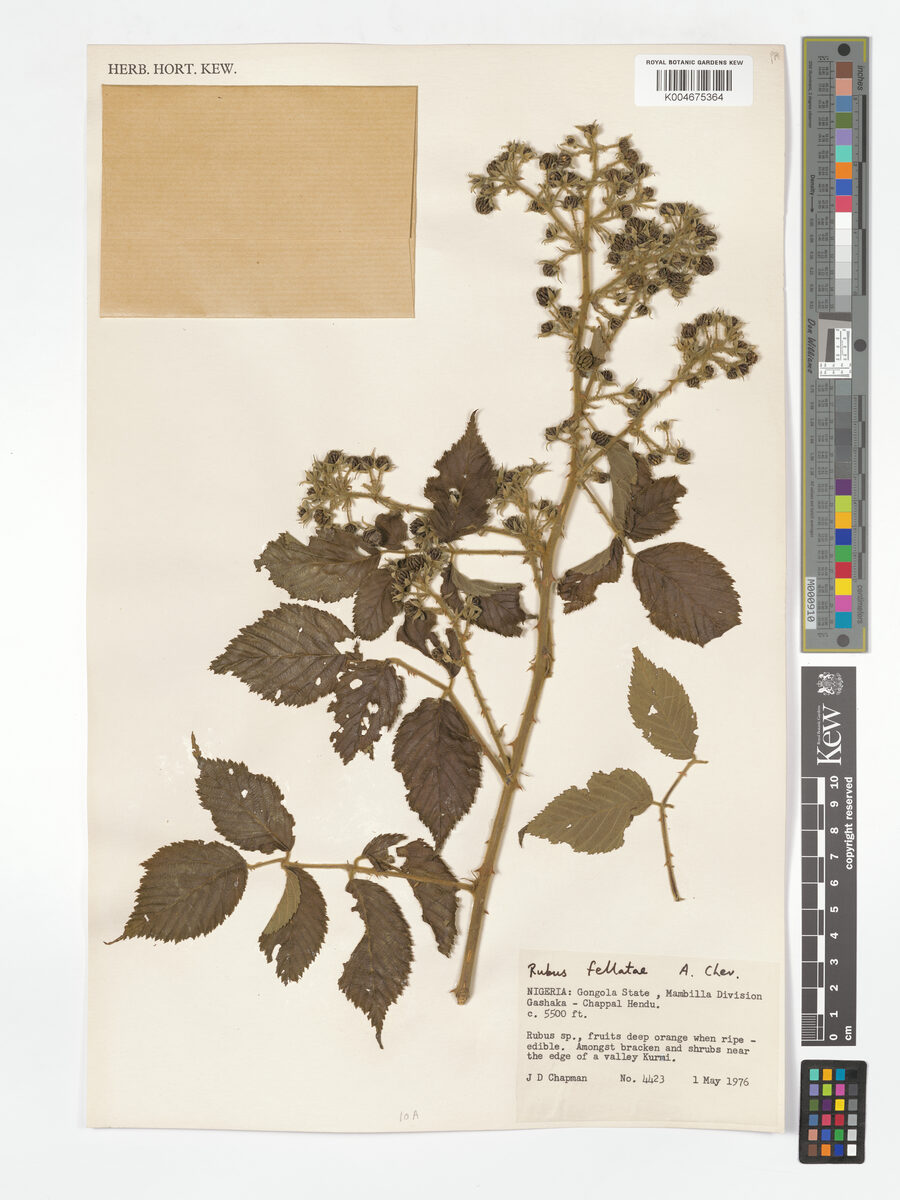
Oemleria cerasiformis - (Torr.&A.Gray.)Greene.
(Torr.&A.Gray.)Greene.
Oso Berry, Indian plum
gbif· cc-by-nc
Sue Lindner
gbif· cc-by-nc
Kevin Dixon
gbif· cc-by-nc
sarahberton
Description
Oemleria cerasiformis is a deciduous Shrub growing to 2.5 m (8ft) by 4 m (13ft). See above for USDA hardiness. It is hardy to UK zone 6. It is in flower from March to April. The species is dioecious (individual flowers are either male or female, but only one sex is to be found on any one plant so both male and female plants must be grown if seed is required). and is pollinated by Insects. The plant is not self-fertile. Suitable for: light (sandy), medium (loamy) and heavy (clay) soils and prefers well-drained soil. Suitable pH: mildly acid, neutral and basic (mildly alkaline) soils. It can grow in semi-shade (light woodland). It prefers moist soil.
Edible Uses
Fruit - raw or cooked. A poor flavour. The fruit looks like a small plum but is very bitter with an almond flavour. The fully ripe fruit loses most of its bitterness. The fruit only has a thin layer of flesh. The fruit can be dried and stored for winter use. Some caution is advised, see the notes above on toxicity.
Medicinal Uses
Laxative Poultice TBThe bark is mildly laxative. A decoction has been used in the treatment of tuberculosis. A poultice of the chewed burned plant, mixed with oil, has been used to treat sore parts of the body.
Known Hazards
Although no specific mention has been found for this plant. it belongs to a family where the leaves, seed (and sometimes also the fruit) often contain significant amounts of hydrogen cyanide. This is the toxin that gives almonds their characteristic flavour and it should only be eaten in very small quantities. Since the fruit of this species is said to have almond-scented fruit it would be unwise to eat a large quantity of it. In small quantities, hydrogen cyanide has been shown to stimulate respiration and improve digestion, it is also claimed to be of benefit in the treatment of cancer. In excess, however, it can cause respiratory failure and even death.
Distribution
Western N. America - British Columbia to California.
Where It Grows
NORTHERN AMERICA: Canada (British Columbia (south)), United States (Oregon (west), Washington (west), California (north))
Cultivation
Succeeds in an ordinary well-drained garden soil, but becomes chlorotic on shallow soils over chalk. Prefers a well-drained moisture retentive soil in a shady position. Requires a sunny position according to another report. Plants are hardy to about -20°c. This species grows well in a woodland garden or in a damp shady border. The plants often sucker freely and can form dense thickets. Old plants can be rejuvenated by cutting them back hard into the old wood in late winter, they will resprout freely from the base. Growth can be restricted by removing suckers and cutting old shoots back or down to the base in late winter. Some, if not all plants are dioecious. Male and female plants must be grown if seed is required.
Propagation
The seed requires 4 months stratification at 4°c. It is probably best sown in a cold frame as soon as it is ripe in the autumn. Sow stored seed as early in the year as possible. When they are large enough to handle, prick the seedlings out into individual pots and grow them on in the cold frame for at least their first winter. Plant them out into their permanent positions in late spring or early summer, after the last expected frosts. Cuttings of half-ripe wood, July/August in a frame. Layering in spring. Takes 6 months. Suckers, taken at any time in the dormant season.