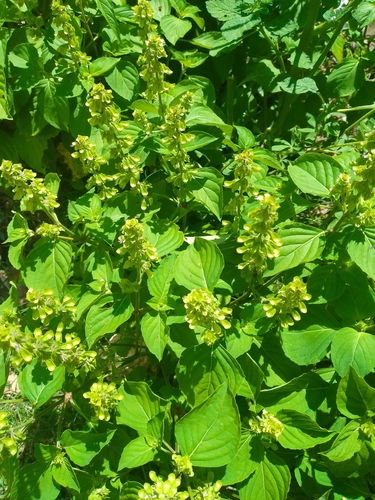
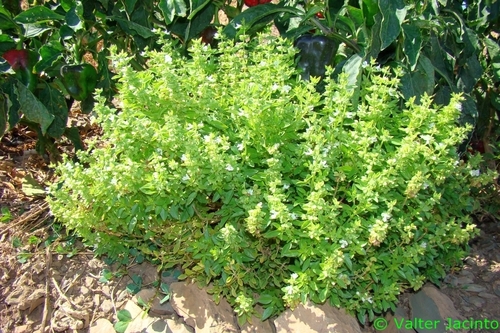
Nepeta raphanorrhiza
Benth.
gbif· cc-by
Hazara University
gbif· cc-by
Hazara University
gbif· cc-by
Hazara University
Description
Nepeta raphanorrhiza is a PERENNIAL growing to 0.5 m (1ft 8in). See above for USDA hardiness. It is hardy to UK zone 5 and is not frost tender. The seeds ripen from September to October. The species is hermaphrodite (has both male and female organs) and is pollinated by Bees. It is noted for attracting wildlife. Suitable for: light (sandy), medium (loamy) and heavy (clay) soils and prefers well-drained soil. Suitable pH: mildly acid, neutral and basic (mildly alkaline) soils and can grow in very alkaline soils. It cannot grow in the shade. It prefers dry or moist soil.
Edible Uses
Root - cooked. An almond flavour.
Distribution
E. Asia - W. Himalayas from Afghanistan to Kashmir.
Where It Grows
Coming Soon
Cultivation
Easily grown in a well-drained soil in a sunny position. Plants are bushier when grown in fertile soils. Members of this genus are rarely if ever troubled by browsing deer or rabbits. A good bee plant.
Propagation
Seed - best sown as soon as it is ripe in a cold frame in the autumn. The germination of spring sown seed can be erratic, it is best sown in a cold frame. Prick out the seedlings into individual pots when they are large enough to handle and plant them out into their permanent positions in the summer. If you have sufficient freshly ripe seed then it is well worth trying a sowing outdoors in situ in the autumn. Division in spring or autumn. Very easy, large divisions can be planted out direct into their permanent positions. We have found that it is better to pot up the smaller divisions and grow them on in light shade in a cold frame until they are well established before planting them out in late spring or early summer. Basal cuttings in late spring or early summer. Harvest the shoots with plenty of underground stem when they are about 8 - 10cm above the ground. Pot them up into individual pots and keep them in light shade in a cold frame or greenhouse until they are rooting well. Plant them out in the summer.