Ocimum micranthum
Willd.
Peruvian basil
iNaturalist· cc-by-nc
(c) JOSE JAVIER MAY CHAN, some rights reserved (CC BY-NC)
iNaturalist· cc-by-nc
(c) JOSE JAVIER MAY CHAN, some rights reserved (CC BY-NC)
iNaturalist· cc-by-nc
(c) JOSE JAVIER MAY CHAN, some rights reserved (CC BY-NC)
Description
A tropical herb in the Lamiaceae family with edible leaves and stems, belonging to a genus of between 100 and 150 Ocimum species.
This description is brief — help expand it
Edible Uses
The leaves are used in soups and stews.
Traditional Uses
The leaves are used in soups and stews.
This uses section is brief — help expand it
Distribution
It is a tropical plant.
Where It Grows
Amazon, Central America, Cuba, Guyana, Nicaragua, South America, St Lucia, West Indies,
Notes
There are between 100 and 150 Ocimum species.
Synonyms
Also Known As
Alfavaca, Barsley Fonbwafen, Married man pork, Sika kaira
References (7)
- Coe, F. G., and Anderson, G. J., 1996, Ethnobotany of the Garifuna of Eastern Nicaragua. Economic Botany 50(1) pp 71-107 (As Ocimum micranthum)
- Coe, F. G. & Anderson, G. J., 1997, Ethnobotany of the Miskitu of Eastern Nicaragua. Journal of Ethnobiology 17(2): 171-214
- Coe, F. G. and Anderson, G. J., 1999, Ethnobotany of the Sumu (Ulwa) of Southeastern Nicaragua and Comparisons with Miskitu Plant Lore. Economic Botany Vol. 53. No. 4. pp. 363-386
- Enum. pl. 2:630. 1809
- Katz, E., et al, 2012, No greens in the forest? Note on the limited consumption of greens in the Amazon. Acta Soc Bot Pol 81(4):283–293
Show all 7 references Hide references
- Miguel, E., et al, 1989, A checklist of the cultivated plants of Cuba. Kulturpflanze 37. 1989, 211-357
- Omawale, 1973, Guyana's edible plants. Guyana University, Georgetown p 69 (As Ocimum micranthum)
More from Lamiaceae
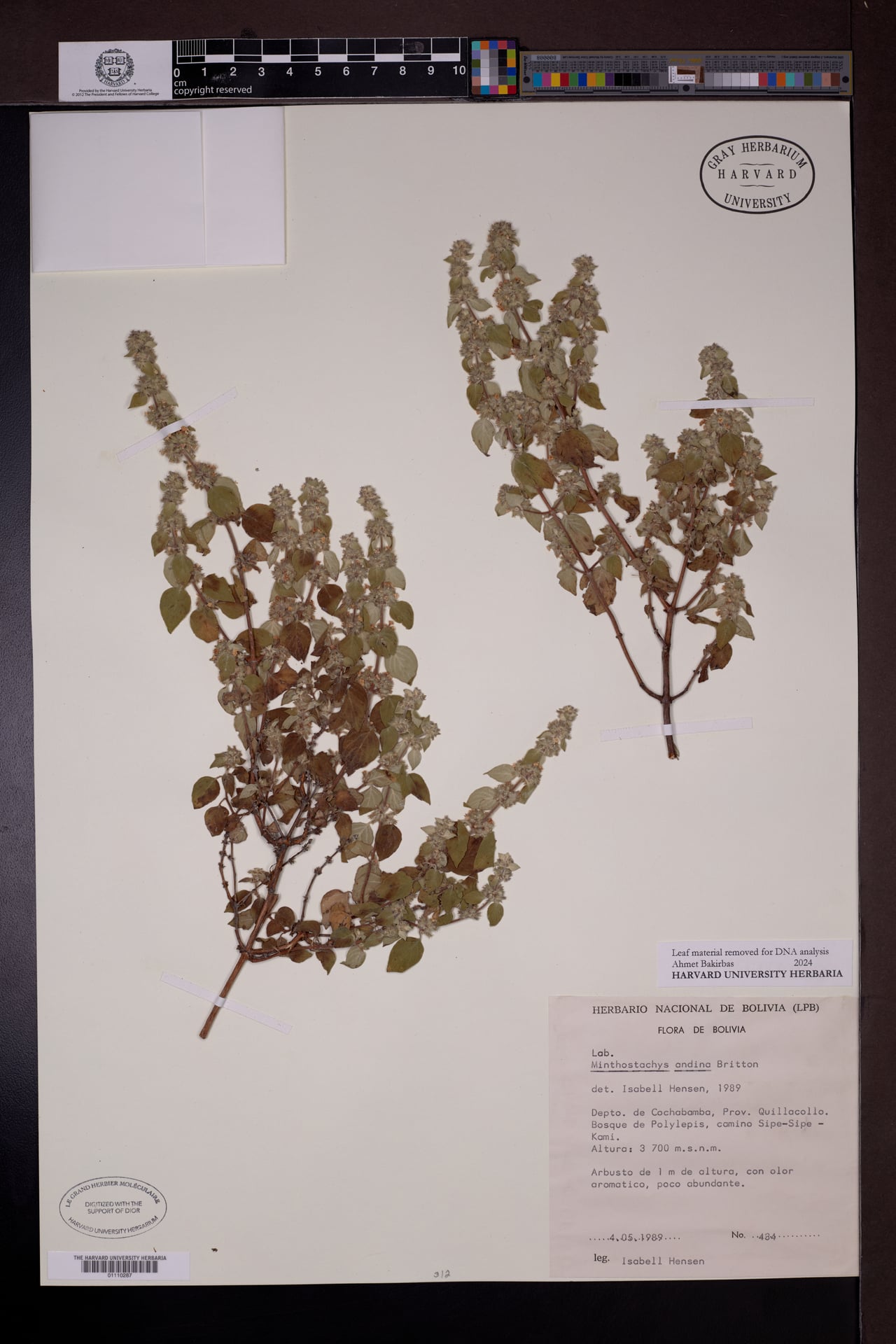
Minthostachys andina
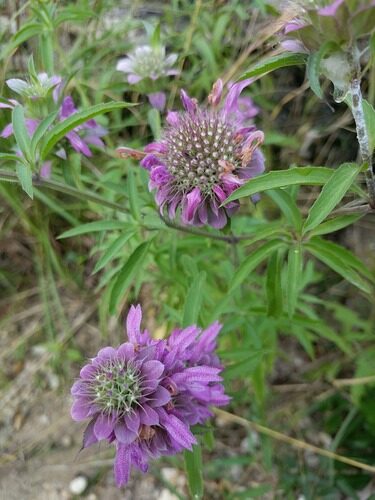
Monarda citriodora
Lemon Bergamot, Lemon beebalm. Lemon Mint
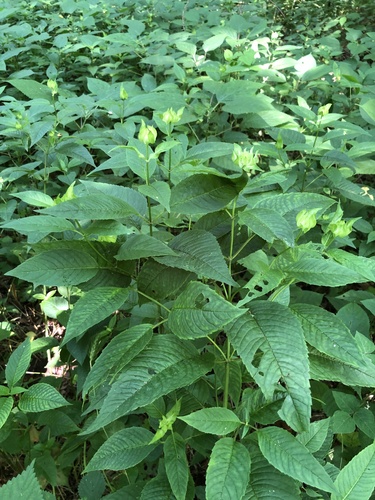
Monarda clinopodia
White basil-balm
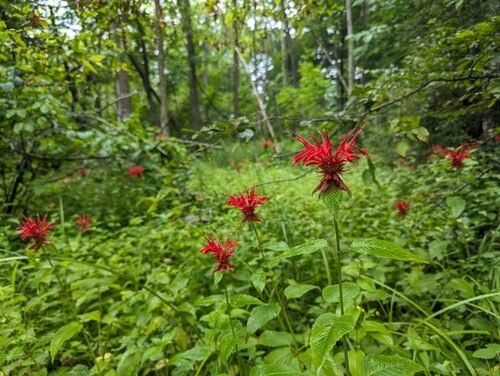
Monarda didyma
Bergamot, Scarlet beebalm, Horsemint, Oswego Tea, Bee Balm
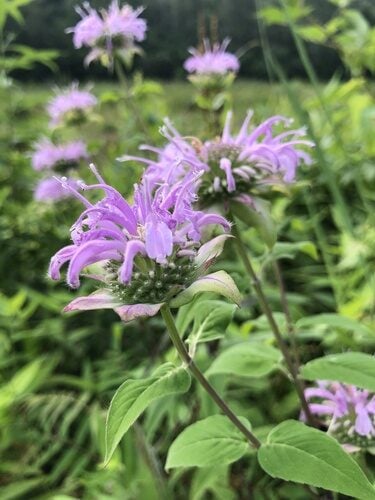
Monarda fistulosa
Wild Bergamot, Mintleaf bergamot, Wild Bee-Balm, Lupine
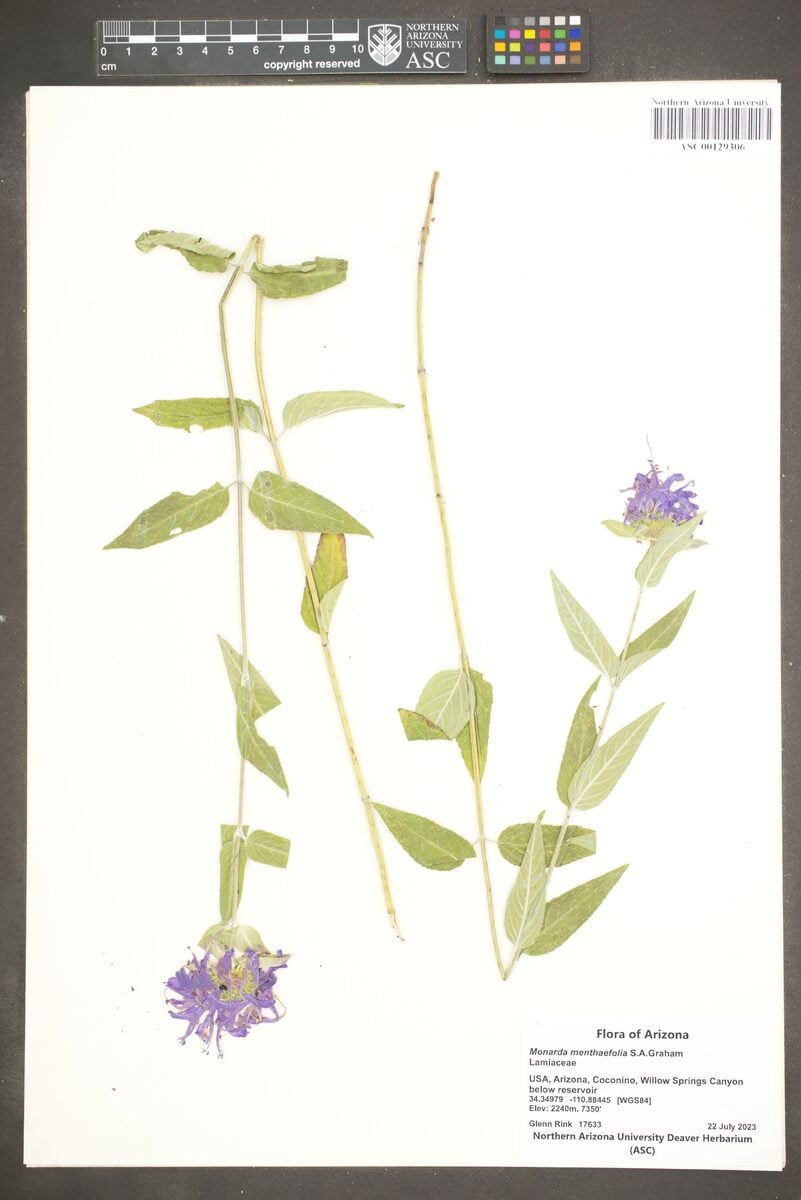
Monarda menthifolia
Mint-Leaved Bergamot, Mintleaf bergamot