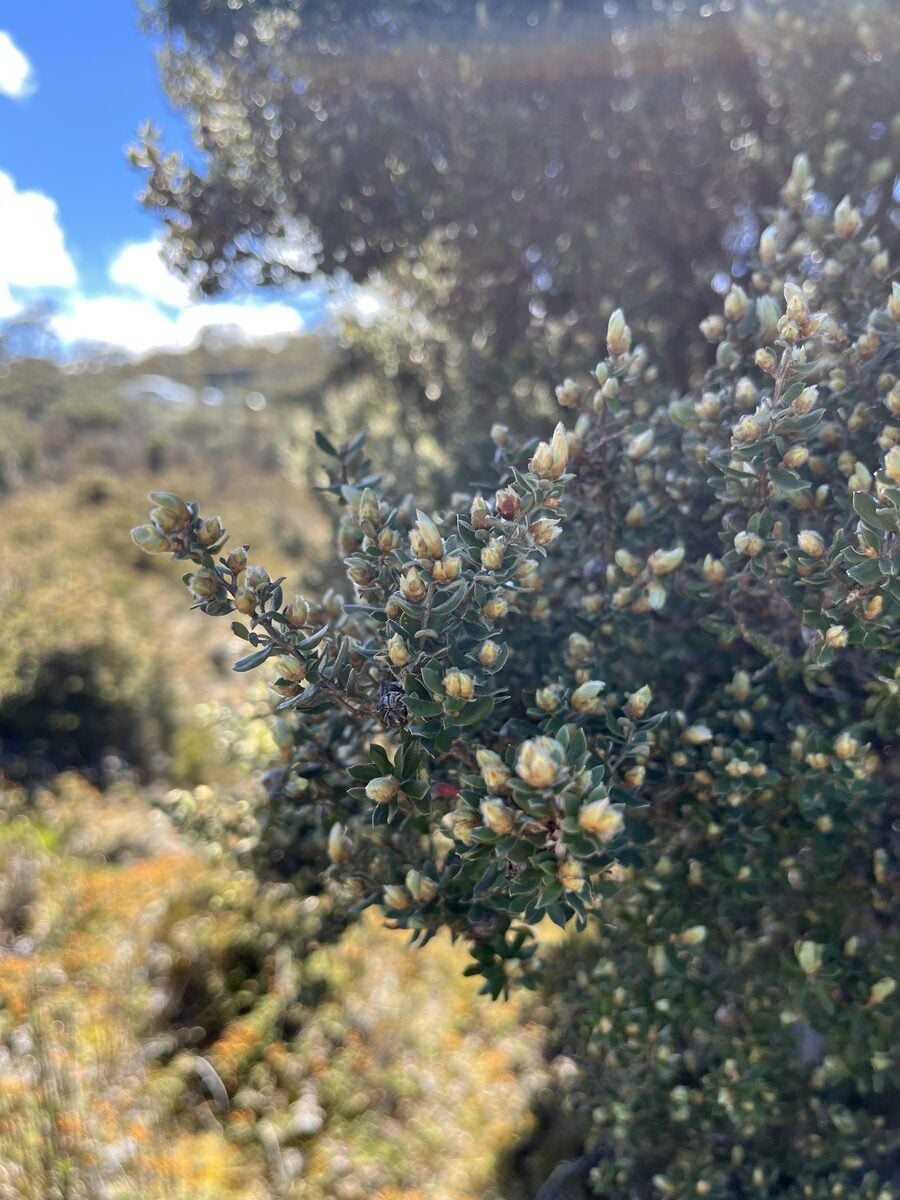
Eucalyptus gamophylla
F. Muell.
Blue Mallee, Twin-leaved Gum, Blue-leafed mallee, Warilu, Twin-leaf Mallee
iNaturalist· cc-by-nc
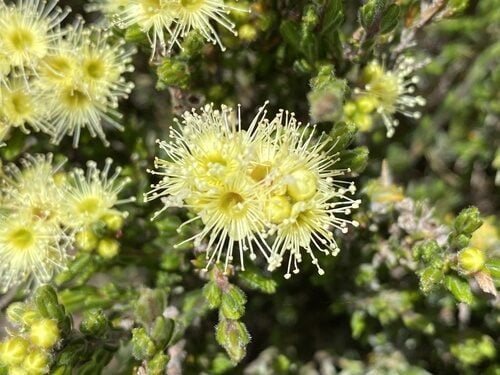
(c) Dean Nicolle, some rights reserved (CC BY-NC), uploaded by Dean Nicolle
iNaturalist· cc-by-nc
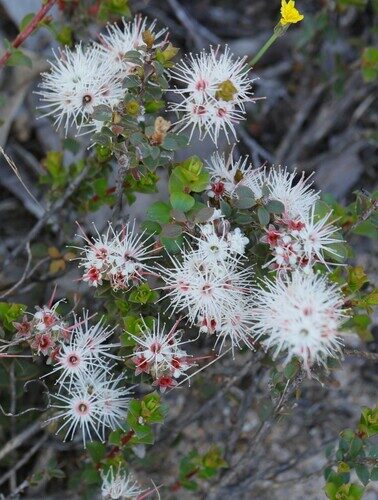
(c) patnelson, some rights reserved (CC BY-NC)
iNaturalist· cc-by-nc
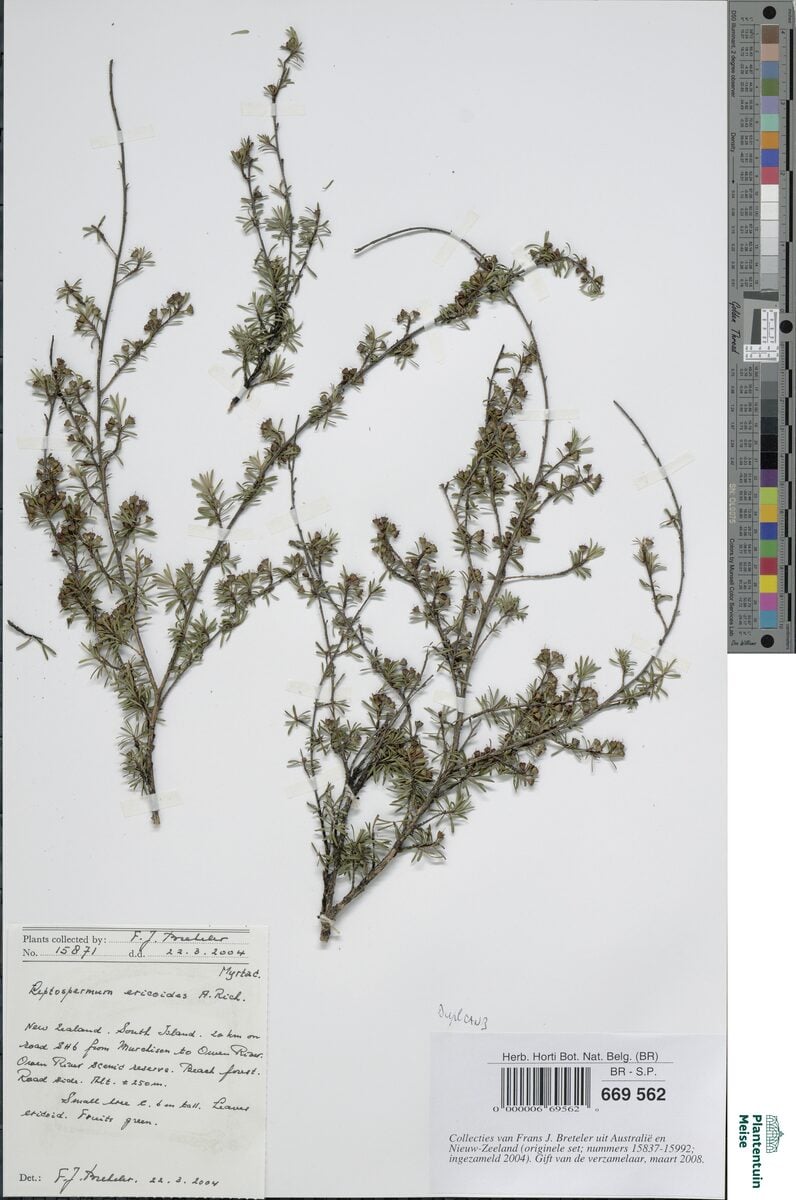
(c) Dr Manfred Jusaitis, some rights reserved (CC BY-NC), uploaded by Dr Manfred Jusaitis
Summary
Source: WikipediaEucalyptus gamophylla, commonly known as warilu, blue-leaved mallee, twin-leaf mallee, twin-leaved mallee or blue mallee, is a species of mallee that is native to Western Australia, South Australia and the Northern Territory. It usually has smooth bark, mostly only juvenile leaves arranged in opposite pairs, flower buds in groups of three, whitish flowers and cylindrical to barrel-shaped fruit that is four-sided in cross-section.
Description
A small gum tree. It grows 2-4.5 m high and spreads 0.9-3 m wide. It has rough bark on the lower parts of the trunk. The upper branches and twigs are smooth. The young leaves are opposite and join at their bases. They are broad and dull blue-grey. The adult leaves are often absent. The flowers are white.
Edible Uses
The seeds and nectar are edible.
Distribution
It grows in sandy loam soils in inland Australia. It can grow in arid places. It suits hardiness zones 9-11.
Where It Grows
Australia*,
Notes
There are at least 500 Eucalyptus species mostly originally in Australia.
Nutrition
| Part | Moisture | kJ | kcal | Protein | Vit A | Vit C | Iron | Zinc |
|---|---|---|---|---|---|---|---|---|
| Seed | 7.7 | 1776 | 425 | 25.9 | — | — | — | — |
Also Known As
Mullerang
References (14)
- Bindon, P., 1996, Useful Bush Plants. Western Australian Museum. p
- Bodkin, F., 1991, Encyclopedia Botanica. Cornstalk publishing, p 425
- Bonney, N., 1997, Economic Native Trees and Shrubs for South Australia. Greening Australia (SA) inc. Campbelltown SA 5074 p 95
- Boomsma, C.D., 1972, Native Tree of South Australia. Woods & Forests Department South Australia, Bulletin No.19. p 114
- Cancilla, D., 2018, Ethnobotanical and Ethnozoological Values Desktop Assessment - Eliwana Project. p 12
Show all 14 references Hide references
- Cherikoff V. & Isaacs, J., The Bush Food Handbook. How to gather, grow, process and cook Australian Wild Foods. Ti Tree Press, Australia p 189
- Cundall, P., (ed.), 2004, Gardening Australia: flora: the gardener's bible. ABC Books. p 571
- Elliot, W.R., & Jones, D.L., 1992, Encyclopedia of Australian Plants suitable for cultivation. Vol 4. Lothian. p 99
- Fragm. 11:40. 1878
- Hall, N. et al, 1972, The Use of Trees and Shrubs in the Dry Country of Australia, AGPS, Canberra. p 369
- Latz, P.K., 1996, Bushfires and Bushtucker: Aboriginal plant use in Central Australia. IAD Press Alice Springs p 187
- Paczkowska, G . & Chapman, A.R., 2000, The Western Australian Flora. A Descriptive Calatogue. Western Australian Herbarium. p 371
- Urban, A., 1990, Wildflowers of Inland Australia. Portside editions. p 145
- World Checklist of Useful Plant Species 2020. Royal Botanic Gardens, Kew