Decaspermum humile
(Sweet ex G. Don) A. J. Scott
Silky myrtle
iNaturalist· cc-by-nc
(c) kerrycoleman, some rights reserved (CC BY-NC), uploaded by kerrycoleman
iNaturalist· cc-by-nc
(c) kerrycoleman, some rights reserved (CC BY-NC), uploaded by kerrycoleman
iNaturalist· cc-by-nc
(c) Tanya Zubakin, some rights reserved (CC BY-NC)
Summary
Source: WikipediaDecaspermum humile, commonly known as the silky myrtle, is a tree from Australia and Asia. It can be used as bush food, as indicated by the alternate common name of currant myrtle. The tree features an attractive dark glossy crown. The new pink leaves with silvery hairs are particularly appealing.
Description
A small tree. It grows 4-8 m tall. It can reach 25 m tall and have a trunk 45 cm across. The trunk is often crooked. The ripe fruit are black. The leaves are 2-8 cm long and 1.5-3 cm wide. The leaves are opposite, entire and oval. The fruit is a round, black berry. It has about 10 seeds.
Edible Uses
The ripe black fruit are eaten raw.
Traditional Uses
The ripe fruit are eaten raw.
This uses section is brief — help expand it
Distribution
It is a tropical plant. It grows from sea level to 1,000 m above sea level.
Where It Grows
Australia*,
Production
It grows slowly.
Synonyms
Also Known As
Brown myrtle, Currant myrtle, Grey persimmon
References (2)
- Edible and Useful Native Plants (off internet)
- Wikipedia
More from Myrtaceae
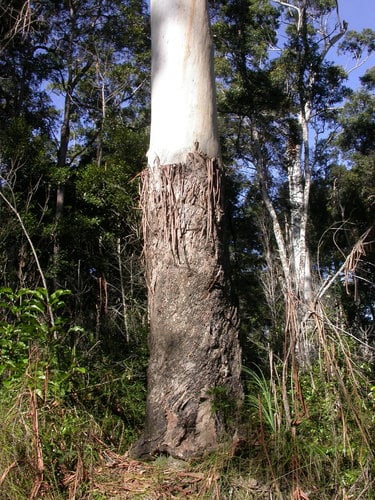
Eucalyptus grandis
Flooded gum
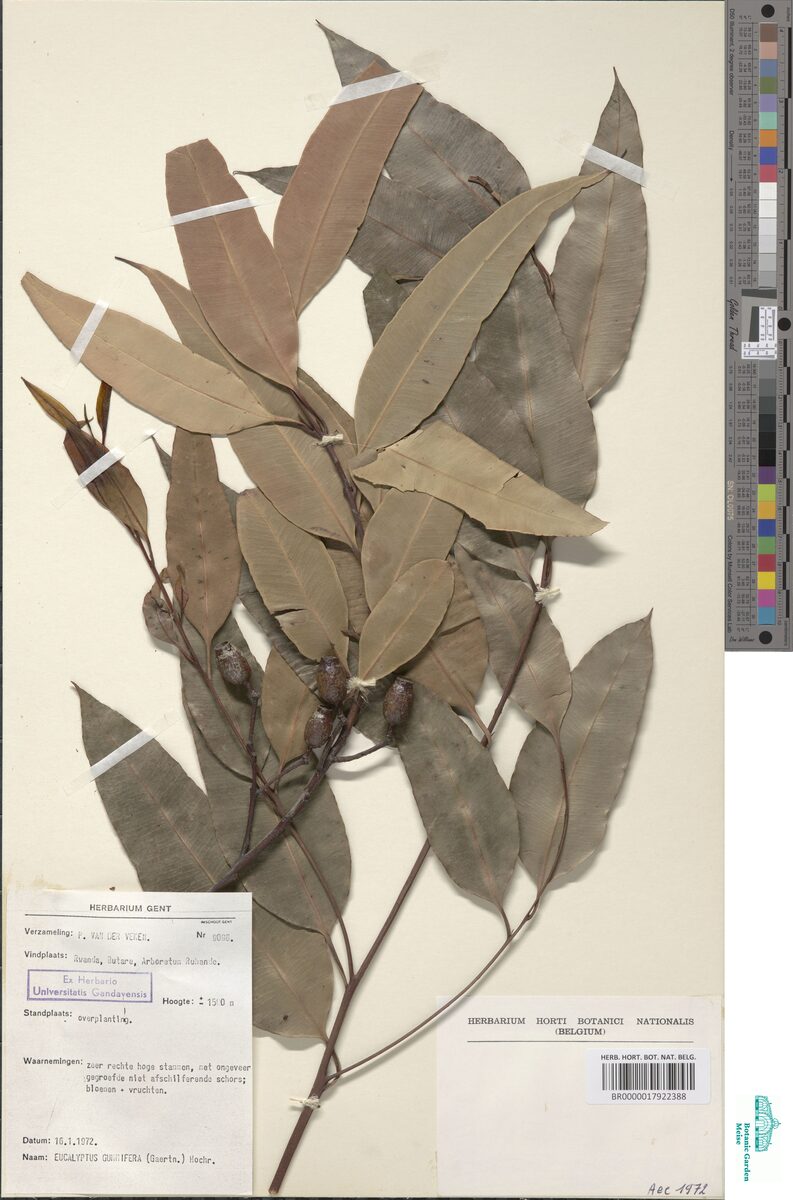
Eucalyptus gummifera - (Sol. ex Gaertn.)Hochr.
Red Bloodwood
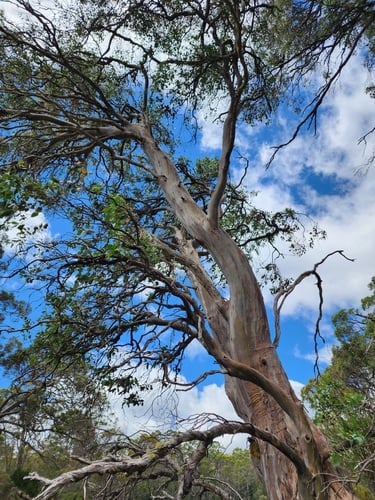
Eucalyptus gunnii
Cider Tree, Cider Gum
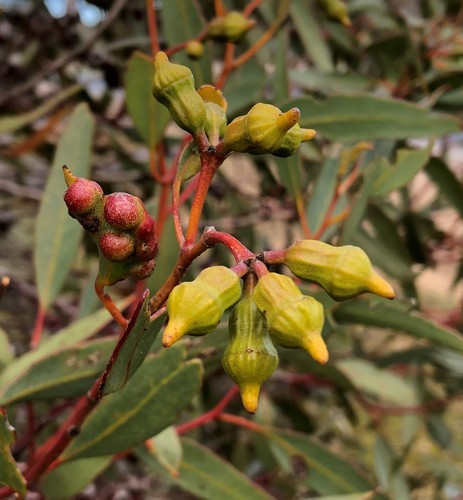
Eucalyptus incrassata
Yellow mallee, Ridge-fruited Mallee, Lerp Mallee, Mallee Box
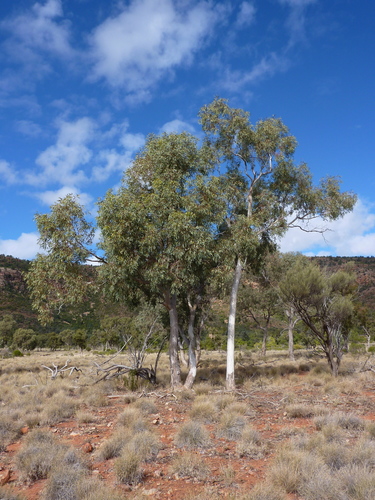
Eucalyptus intertexta
Inland Red Box, Gum-barked Coolibah, Western Red Box
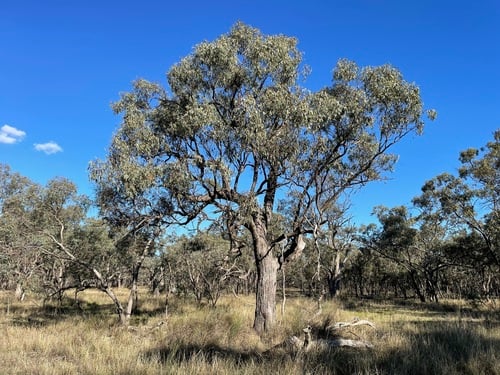
Eucalyptus largiflorens
Black Box, Flooded Box, River Box