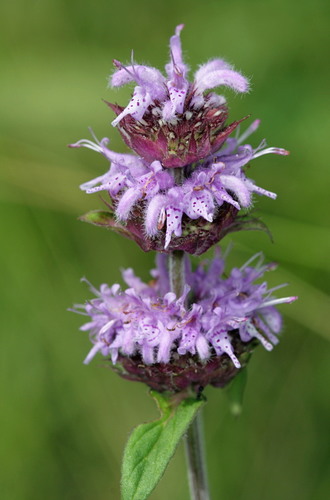
Micromeria biflora - (Buch.
(Buch.-Ham. ex D.Don.)Benth.
Lemon Scented Thyme
gbif· cc-by-nc-sa
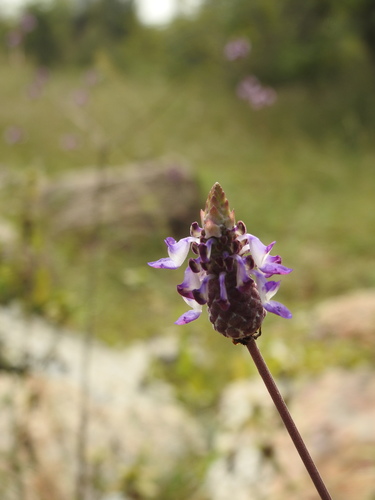
Ajay Neupane
gbif· cc-by-nc-sa
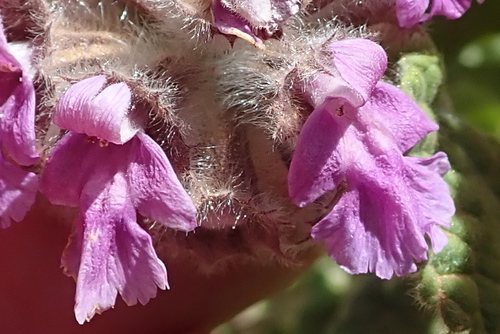
Ajay Neupane
gbif· cc-by-nc-sa
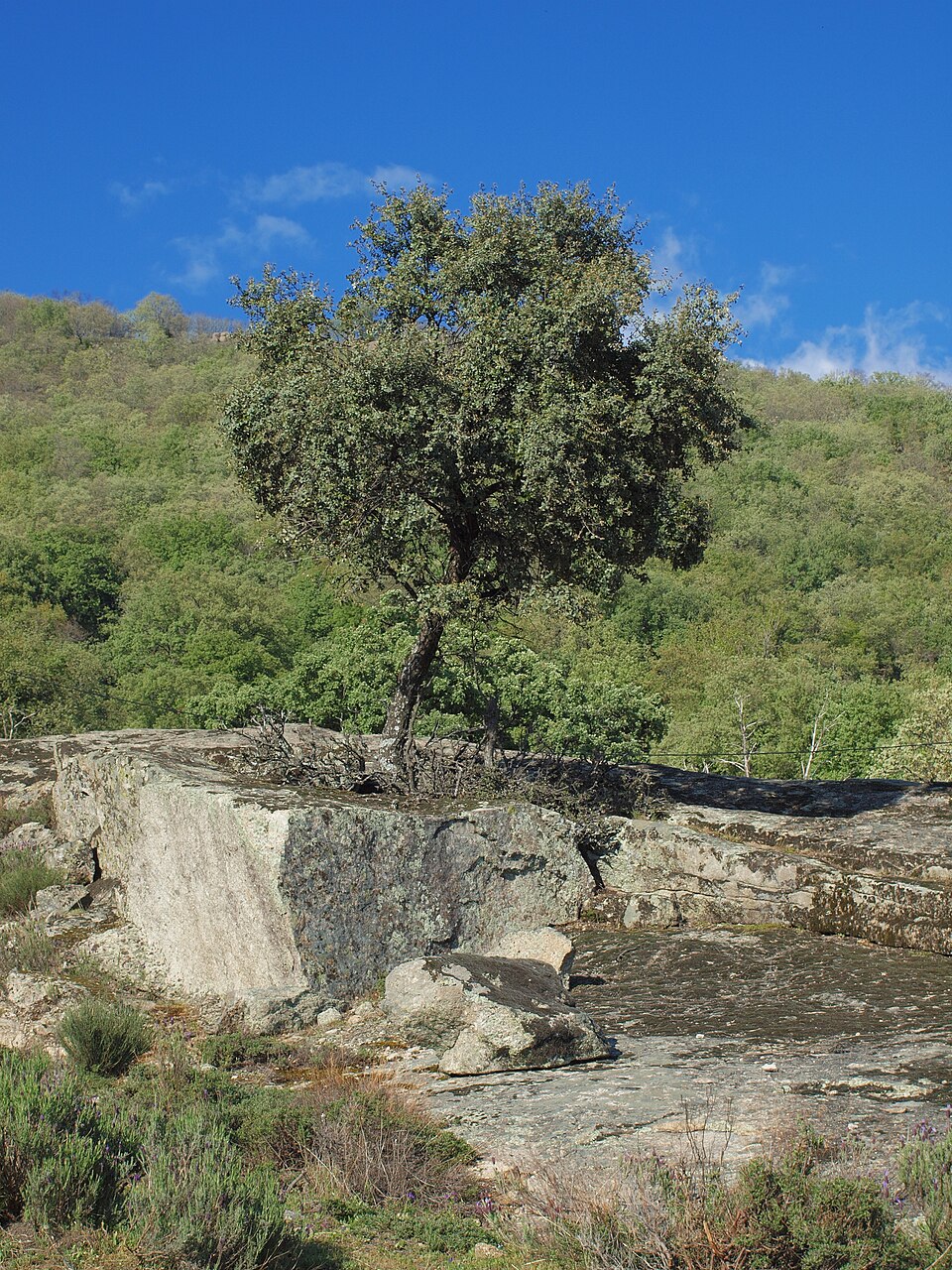
Ajay Neupane
Description
Micromeria biflora is a PERENNIAL growing to 0.2 m (0ft 8in). It is in flower from June to August, and the seeds ripen from August to September. The species is hermaphrodite (has both male and female organs) and is pollinated by Insects. Suitable for: light (sandy) and medium (loamy) soils, prefers well-drained soil and can grow in nutritionally poor soil. Suitable pH: mildly acid, neutral and basic (mildly alkaline) soils. It cannot grow in the shade. It prefers dry or moist soil.
Edible Uses
Tea. The flowers and leaves are used as a tea. A powder of the dried flowers and leaves is used as a flavouring in lentil soups and curries.
Medicinal Uses
Antiseptic Odontalgic VulneraryA paste of the root is pressed between the jaws to treat toothache. The plant is rubbed and the aroma inhaled to treat nose bleeds. A paste of the plant is used as a poultice to treat wounds. The juice of the plant is taken internally and also inhaled in the treatment of sinusitis.
Distribution
E. Asia - from Afghanistan throuth the Himalayas to Bhutan and Myanmar.
Where It Grows
Coming Soon
Cultivation
Prefers an open position in a well-drained soil. Succeeds in poor soils. Requires a sunny position.
Propagation
Seed - sow spring in a greenhouse. When they are large enough to handle, prick the seedlings out into individual pots and grow them on in the greenhouse for their first winter. Plant them out into their permanent positions in late spring or early summer, after the last expected frosts. Basal cuttings in early summer. Harvest the shoots with plenty of underground stem when they are about 8 - 10cm above the ground. Pot them up into individual pots and keep them in light shade in a cold frame or greenhouse until they are rooting well. Plant them out in the summer. Division of the rooted prostrate stems in the spring.
Other Uses
Incense. The plant is burnt as an incense.