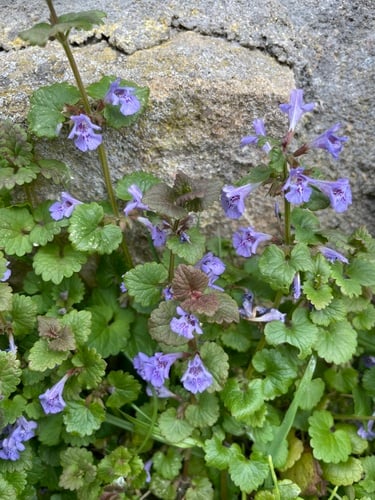
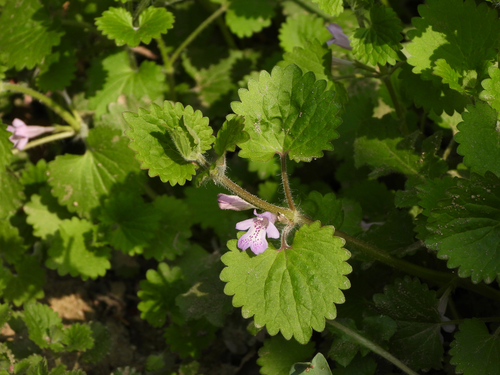
Blephilia ciliata
(L.) Benth.
Downy Wood Mint
iNaturalist· cc-by-nc-sa
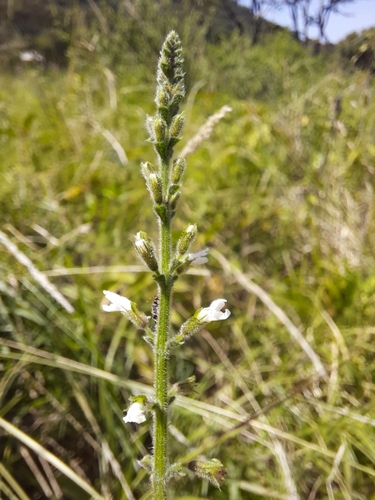
(c) cotinis, some rights reserved (CC BY-NC-SA)
iNaturalist· cc-by-nc
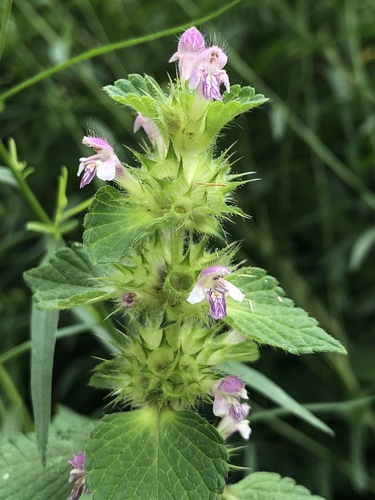
(c) sklybarger, some rights reserved (CC BY-NC)
iNaturalist· cc-by
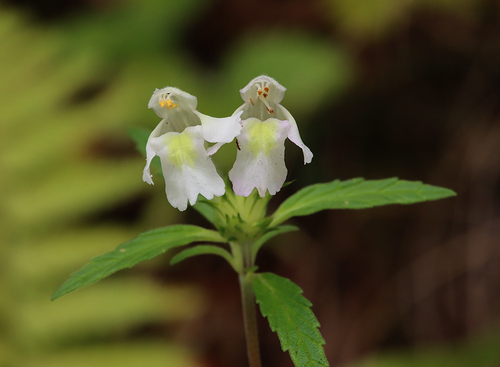
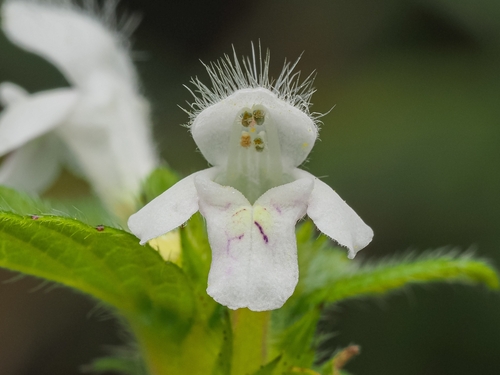
(c) aarongunnar, some rights reserved (CC BY), uploaded by aarongunnar
Summary
Source: WikipediaBlephilia ciliata is a species of herbaceous perennial plant in the Lamiaceae (mint) family native to central and eastern North America. It is commonly called downy wood mint. Other common names include downy pagoda-plant, sunny woodmint and Ohio horsemint.
Description
Perennial herb growing to 0.7 meters tall by 0.4 meters wide at fast rate. Hardy to UK zone 4. Bee and insect-pollinated flowers. Grows in light sandy to medium loamy, well-drained soils with mildly acid to neutral pH, tolerating very acid soils. Adapts to semi-shade or full sun; handles both dry and moist soil with drought tolerance.
Edible Uses
Edible Parts: Leaves Edible Uses: Leaves. Minty leaves eaten raw and used in teas. The leaves can be used to prepare sauces and drinks [1-4].
Traditional Uses
The leaves can be used to prepare sauces and drinks. They are used for tea.
This uses section is brief — help expand it
Medicinal Uses
Traditionally used by the Cherokee to make a poultice to treat headaches.
Distribution
It is a cool temperate plant. It grows in dry woods and thickets. It suits hardiness zones 4-7.
Where It Grows
North America, USA,
Propagation
Propagate by division.
Other Uses
Soil stabilization A strong scented plant that may act as an aromatic pest confuser reducing their ability to find other nearby crops [1-3]. The flowers attract long-tongued and short-tongued bees, bee flies, Syrphid flies, butterflies, and skippers (illinoiswildflowers.info). A plant for Forest Gardens, Pollinator Gardens, Prairie or Meadow. Used as Butterfly Nectar Plants or as part of a Groundcover or Mass Planting. Showy Blooms can be used in Cottage Gardens, Deer Resistant Plantings, Rock Gardens, Water-wise Landscapes, Low Maintenance Plantings, Perennial Borders, Restoration Projects and Wildlife Gardens (newmoonnursery.com). Special Uses Attracts Wildlife Food Forest Ground Cover
Notes
The Blephilia genus grow in North America.
Synonyms
References (3)
- Facciola, S., 1998, Cornucopia 2: a Source Book of Edible Plants. Kampong Publications, p 125
- Jackes, D. A., Edible Forest Gardens
- Kermath, B. M., et al, 2014, Food Plants in the Americas: A survey of the domesticated, cultivated and wild plants used for Human food in North, Central and South America and the Caribbean. On line draft. p 134