Anisochilus carnosus
(L. f.) Wall. ex Benth.
Feverleaf
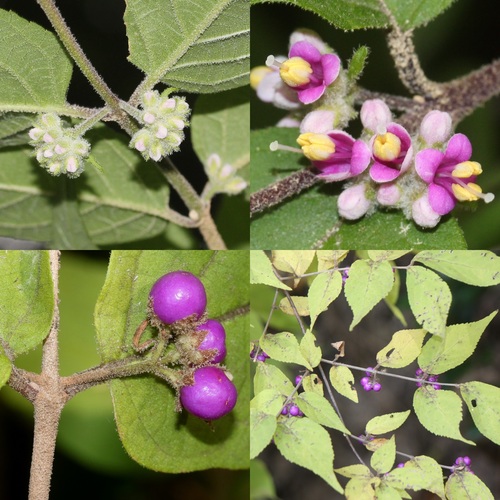
iNaturalist· cc-by
(c) Hopeland, some rights reserved (CC BY)
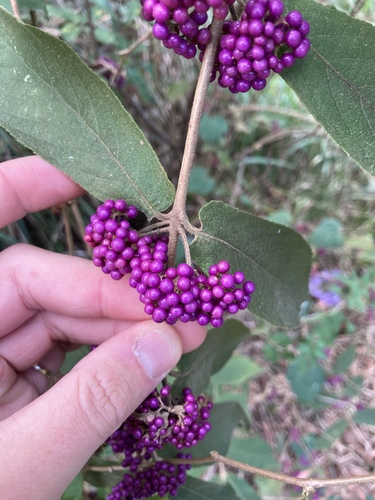
iNaturalist· cc-by-nc
(c) SONU KUMAR, some rights reserved (CC BY-NC)
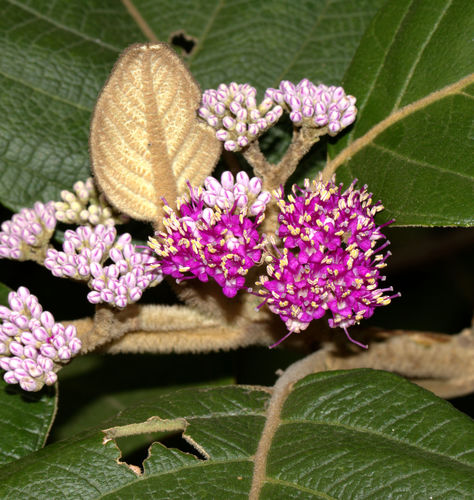
iNaturalist· cc-by-nc
(c) Milind Girdhari, some rights reserved (CC BY-NC)
Description
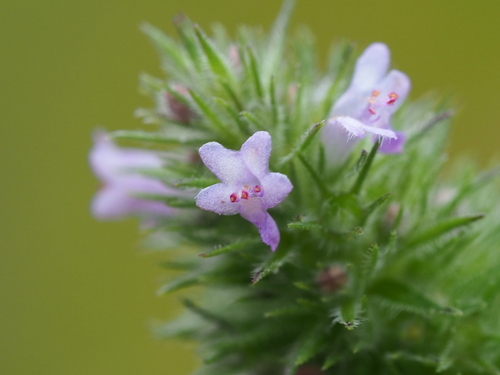
A herb. It grows each year from seed. It is 30-60 cm tall. The stems are erect, robust and branched. The leaves are oval or round and 5-7 cm long by 5-7 cm wide. They are rough and have a white coating. The base is rounded and the edges are wavy. The flowers are in spikes 3-7 cm long by 1-2 cm wide. They are purplish. The plant has an aroma.
Edible Uses
The leaves are eaten as a vegetable.
Traditional Uses
The leaves are eaten as a vegetable.
This uses section is brief — help expand it
Distribution
It is a tropical plant.
Where It Grows
Asia, China, India, Myanmar, SE Asia, Sri Lanka,
Synonyms
Also Known As
Bennia, Kodipunju chettu, Samon-byu
References (4)
- Ambasta S.P. (Ed.), 2000, The Useful Plants of India. CSIR India. p 42
- Misra, S., 2020, Survey of edible plants for human consumption in south Odisha, India. Journal of Emerging Technologies and Innovative Research (JETIR) Vol. 7, Issue 12 p 278
- N. Wallich, Pl. asiat. rar. 2:18. 1830
- Reddy, K. N. et al, 2007, Traditional knowledge on wild food plants in Andhra Pradesh. Indian Journal of Traditional Knowledge. Vol. 6(1): 223-229