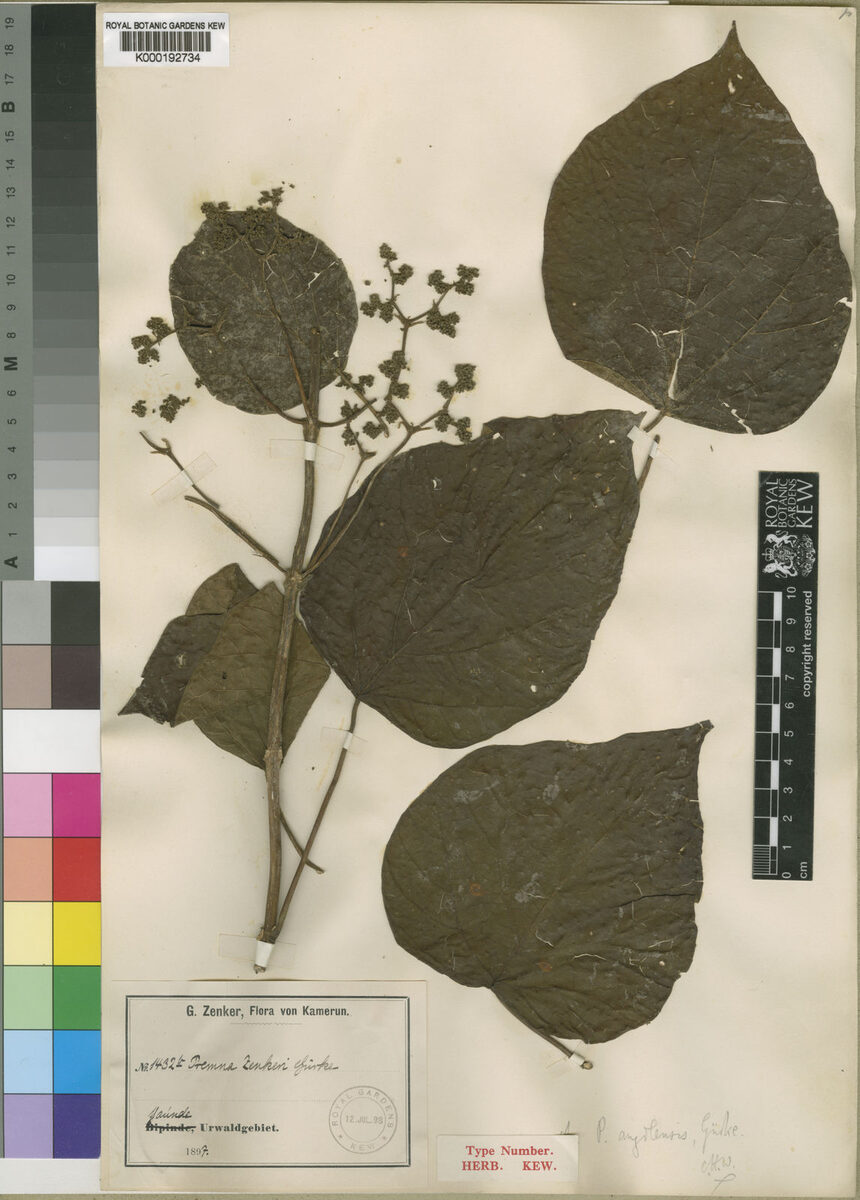
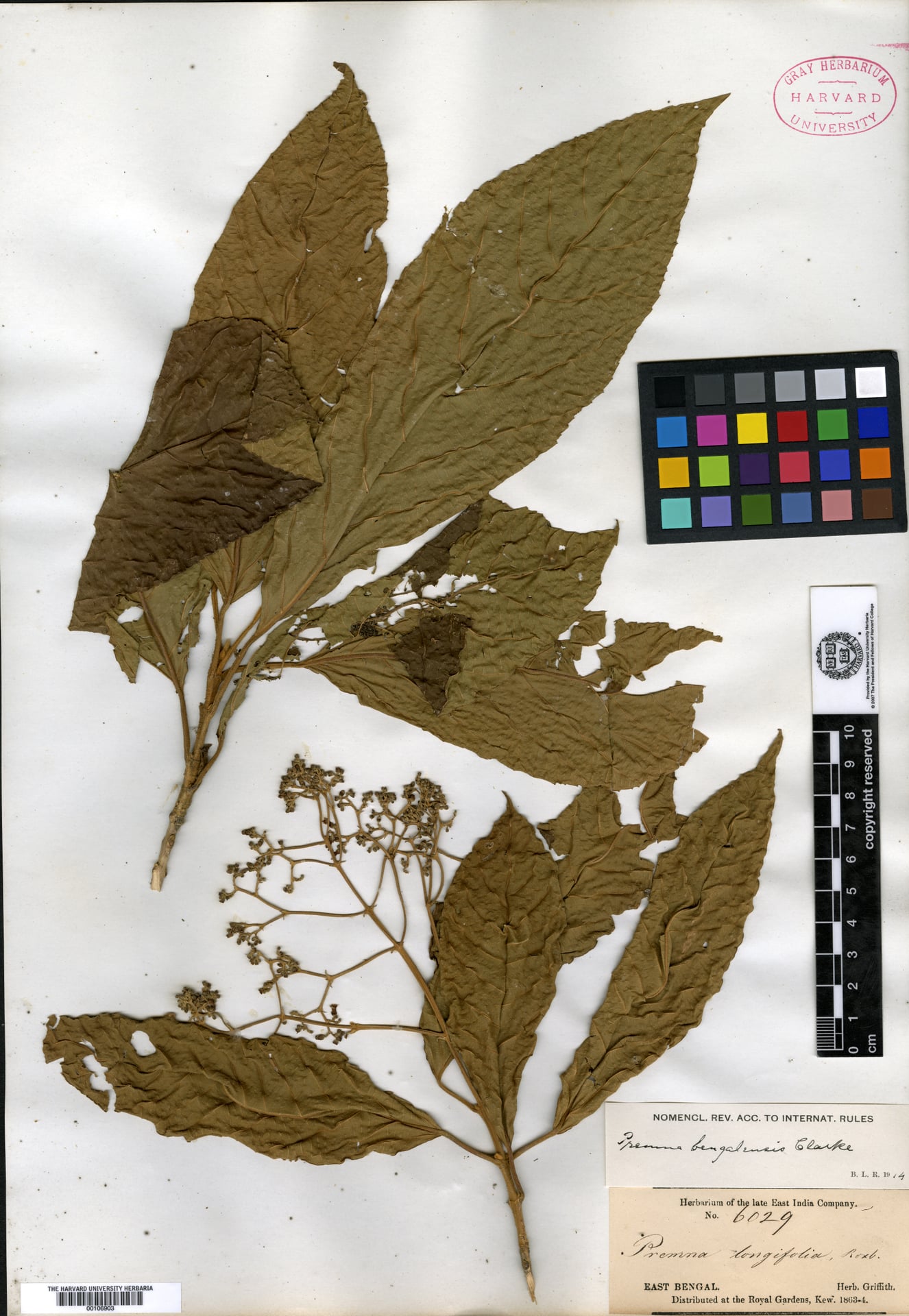
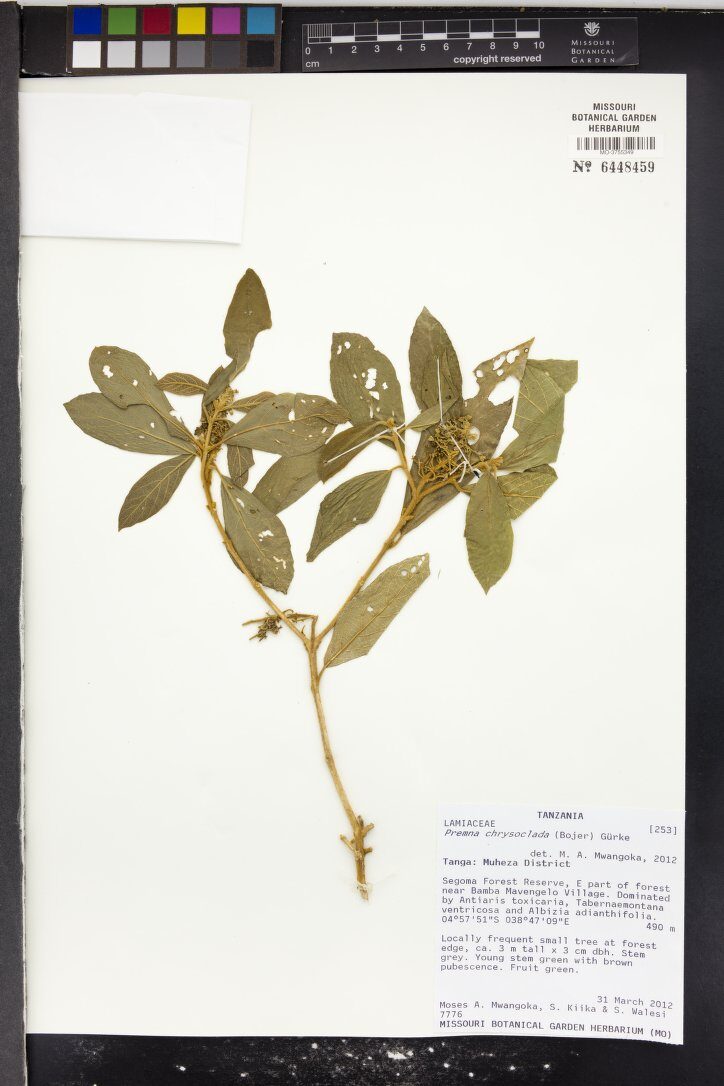
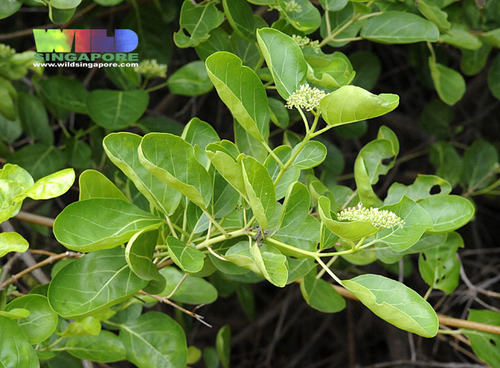
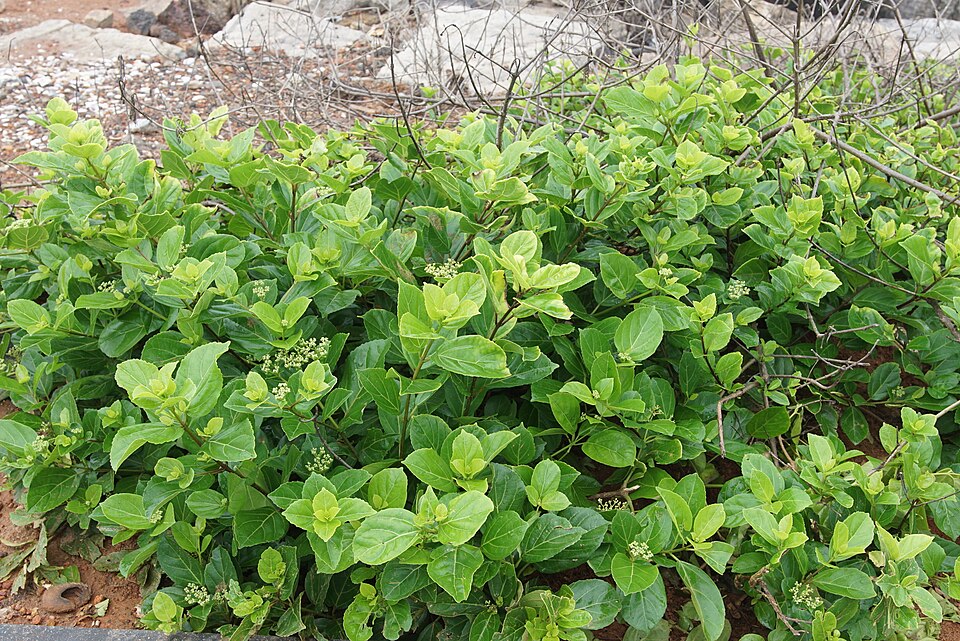
Basilicum polystachyon
(L.) Moench
Musk basil, African curry powder
iNaturalist· cc-by-nc
(c) Bart Wursten, some rights reserved (CC BY-NC), uploaded by Bart Wursten
iNaturalist· cc-by-nc
(c) Bart Wursten, some rights reserved (CC BY-NC), uploaded by Bart Wursten
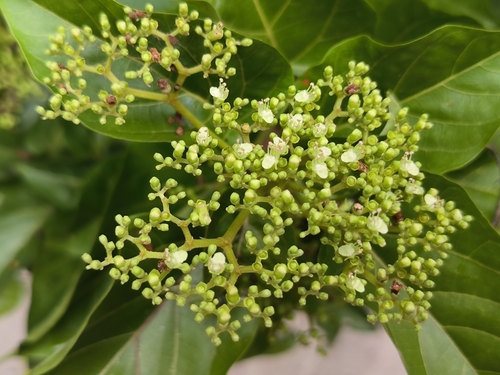
iNaturalist· cc-by-sa
(c) Dinesh Valke, some rights reserved (CC BY-SA)
Description
A small herb. It grows 90 cm high and spreads 50 cm wide. The stem is erect and branching. The leaves are oval or sword shaped and opposite. They are green and 5 cm long. The flowers are tube shaped and white. They have 2 expanding lips. They grow in groups along one side of a stalk.
Edible Uses
Leaves are used as a flavoring in sauces and as a spice, earning it the name African curry powder.
Traditional Uses
It is used in sauces and as a flavouring.
This uses section is brief — help expand it
Medicinal Uses
Musk basil leaves are used internally as a tea, and externally in decoction as a lotion. Caution is advised in using this plant since some people lack tolerance for internal use, and develop sores in the mouth. The crushed leaves are used as a sedative, and to relieve painful sprains and limbs. Decoctions are used for epilepsy, palpitations of the heart, neuralgia, nervous headaches, nervousness after childbirth, rheumatism and convulsions. The fresh roots are chewed against cough, or cooked with food to reduce flatulence. An infusion of the fruit is taken for parturition in the case of delayed birth. The leaf-sap is squeezed into the nostrils of children to cause sneezing, in order to cure headache.
Known Hazards
Some people lack tolerance for the internal use of this plant, and develop sores in the mouth.
Distribution
It is a tropical plant. It grows near river banks and in damp places. It needs well-composted moist soils. It suits a partly shaded position. In southern China it grows in thickets near streams between sea level and 800 m above sea level.
Where It Grows
Africa, Asia, Australia, Benin, Burkina Faso, China, Côte d'Ivoire, East Africa, Ghana, Ivory Coast, Japan, Mozambique, Nigeria, Sri Lanka, Taiwan, West Africa, Zambia,
Cultivation
Plants can be grown from seed.
Other Uses
The plant is burnt indoors as a mosquito and snake repellent. The leaves and flowers yield a pale yellow viscous essential oil, of which the main components are: methyl-eugenol (39%), methyl-isoeugenol (8%), limonene (7%), 1,8-cineole (eucalyptol, 5%), 'BETA'-elemene (5%), 'BETA'-caryophyllene (5%), 'BETA'-selinene (4%), citronellal (3.5%), geranyl acetate (2.9%), 'ALFA'-humulene (2.4%), isobornyl acetate (2%) and 'DELTA'-cadinene (2%). Eugenol is toxic in large amounts and can cause contact dermatitis.
Synonyms
Also Known As
Iwena, Tulwena
References (6)
- Achigan-Dako, E, et al (Eds), 2009, Catalogue of Traditional Vegetables in Benin. International Foundation for Science.
- Bodkin, F., 1991, Encyclopedia Botanica. Cornstalk publishing, p 132 (As polystachyon)
- Burkill, H. M., 1985, The useful plants of west tropical Africa, Vol. 3. Kew.
- Fowler, D. G., 2007, Zambian Plants: Their Vernacular Names and Uses. Kew. p 42 (As polystachyon)
- Seidemann J., 2005, World Spice Plants. Economic Usage, Botany, Taxonomy. Springer. p 63
Show all 6 references Hide references
- World Checklist of Useful Plant Species 2020. Royal Botanic Gardens, Kew