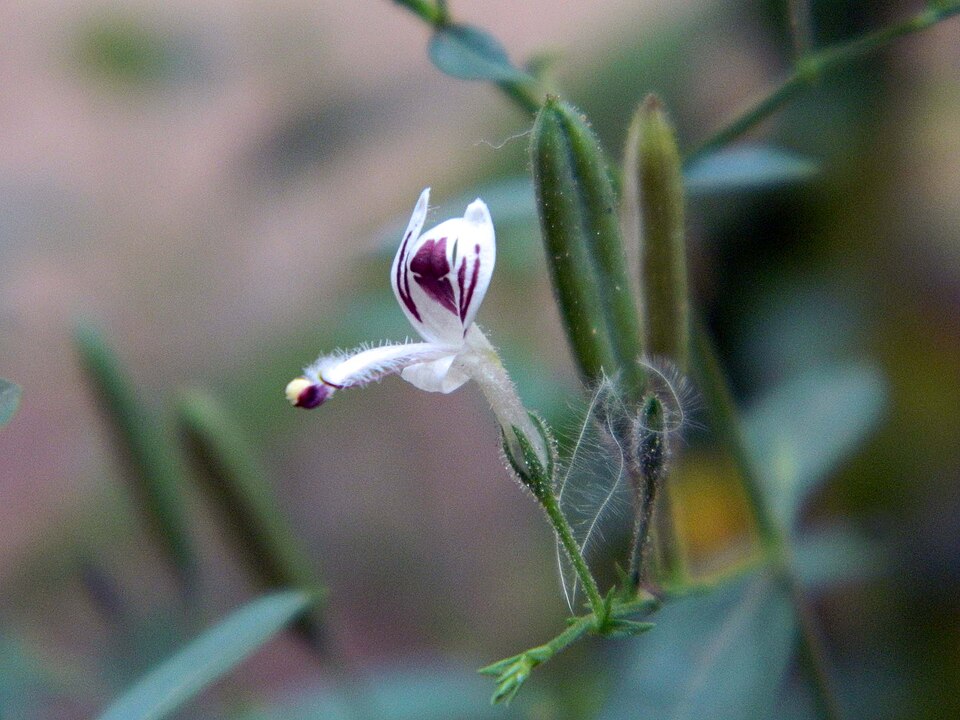
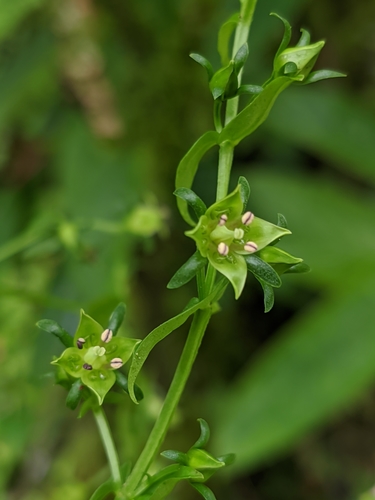
Megacodon stylophorus - (C.B.Clarke.)H.Sm.
(C.B.Clarke.)H.Sm.
gbif· cc-by-nc
equisetalean
gbif· cc-by-nc
equisetalean
gbif· cc-by-nc
equisetalean
Description
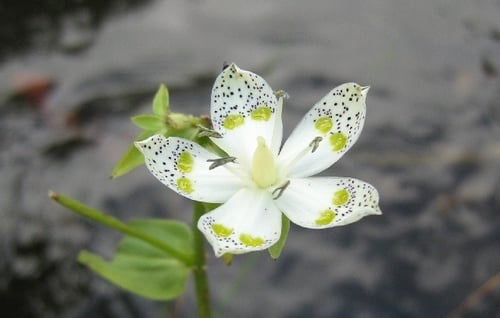
Megacodon stylophorus is a PERENNIAL growing to 2 m (6ft 7in). See above for USDA hardiness. It is hardy to UK zone 7. It is in flower from July to August. The species is hermaphrodite (has both male and female organs). Suitable for: light (sandy), medium (loamy) and heavy (clay) soils. Suitable pH: mildly acid, neutral and basic (mildly alkaline) soils and can grow in very acid soils. It can grow in semi-shade (light woodland). It prefers moist or wet soil.
Edible Uses
Tender young leaves - cooked as a vegetable.
Medicinal Uses
PoulticeA paste of the root is applied as a poultice to wounds and swellings.
Distribution
E. Asia - Himalayas tpsouthwestern China.
Where It Grows
TEMPERATE ASIA: China (Sichuan Sheng (south), Xizang Zizhiqu (southeast), Yunnan Sheng (northwest)) TROPICAL ASIA: Bhutan, India (northeast), Nepal
Cultivation
Requires a humus rich soil and a cool moist root run in a shelterd position in dappled shade. Plants succeed well on the margins of ponds, close to streams (but not at the water's edge), or in the peat, bog or woodland garden. It is best to give the crowns of the plant some protection such as a mulch of bracken in the winter. Plants are very prone to attack by slugs. A very ornamental plant, especially when planted in groups.
Propagation
Seed - we have no information for this species but suggest sowing the seed as soon as it is ripe in a cold frame if this is possible. Otherwise sow it in early spring in a cold frame. Prick the seedlings out into individual pots when they are large enough to handle and grow them on in the greenhouse or cold frame for at least their first winter. Plant out into their permanent positions in late spring or early summer. Division.