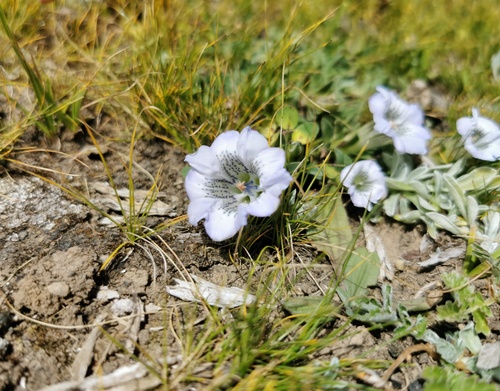
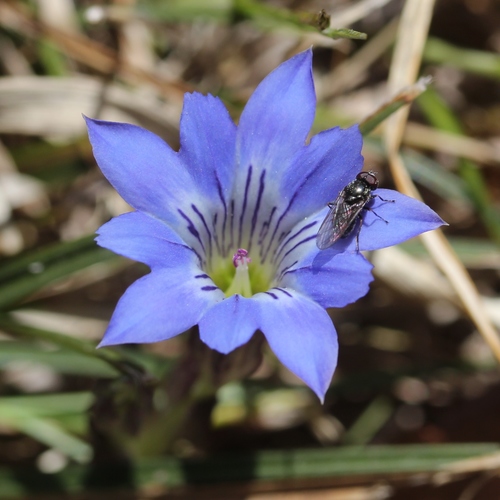
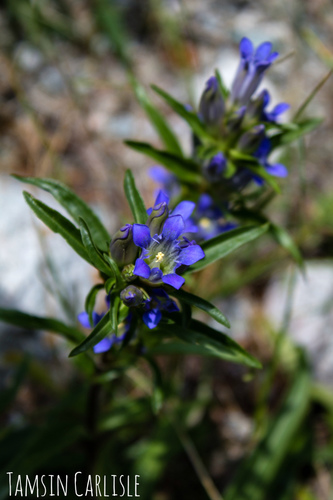
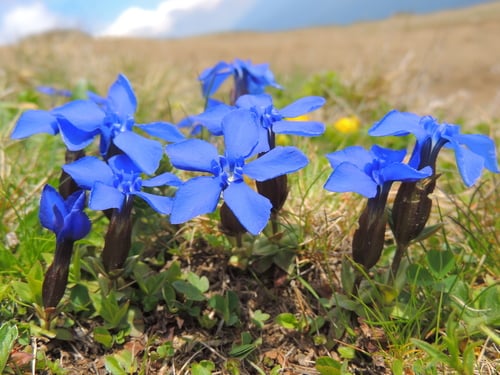
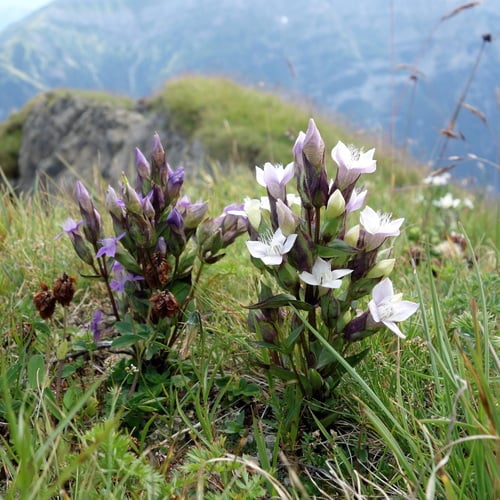
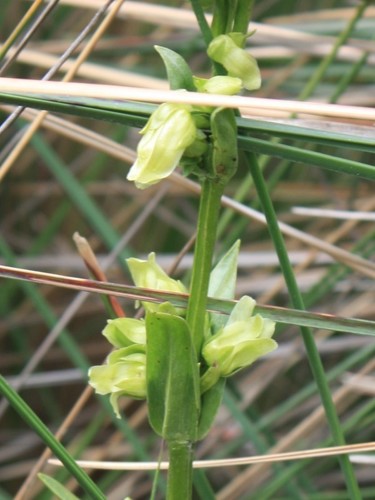
Sabatia angularis - (L.)Pursh.
(L.)Pursh.
Bitter Bloom, Rosepink
gbif· cc-by
Hill Craddock
gbif· cc-by
Hill Craddock
gbif· cc-by-sa
Chris Hoess
Description
Sabatia angularis is a ANNUAL/BIENNIAL growing to 1 m (3ft 3in). See above for USDA hardiness. It is hardy to UK zone 6. It is in flower from July to August. The species is hermaphrodite (has both male and female organs). Suitable for: light (sandy), medium (loamy) and heavy (clay) soils. Suitable pH: mildly acid, neutral and basic (mildly alkaline) soils. It can grow in semi-shade (light woodland) or no shade. It prefers moist soil.
Edible Uses
A tonic tea is obtained from the plant. The part of the plant is not specified.
Medicinal Uses
Antiperiodic Tonic. Antiperiodic, tonic. Used as a bitter stomachic, similar in its action to Gentiana lutea. An infusion of the plant has been used to treat period pains.
Distribution
Eastern N. America - New York to Ontario, south to Florida and Louisiana.
Where It Grows
NORTHERN AMERICA: United States (Connecticut, Indiana, Massachusetts, Michigan (south), New Jersey, New York, Ohio, Pennsylvania, Illinois, Kansas (southeast), Missouri, Oklahoma, Alabama, Arkansas, Delaware, Florida (north), Georgia, Kentucky, Louisiana, Maryland, Mississippi, North Carolina, South Carolina, Tennessee, Virginia, Texas).
Cultivation
Requires a moist soil. This species provides an excellent cut flower.
Propagation
Seed - best sown as soon as it is ripe in late summer or early autumn. Sow in a peaty soil in a moist shady border or sow in pots in a shady part of the cold frame and keep the soil moist by standing the pot in 2 - 3cm of water.