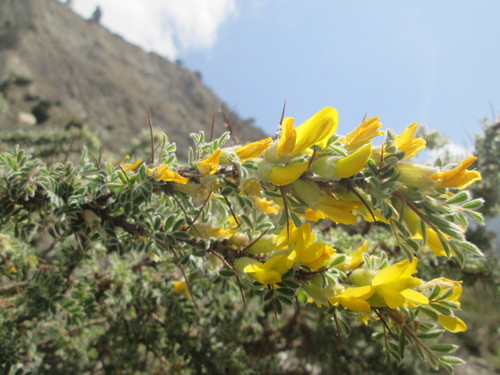
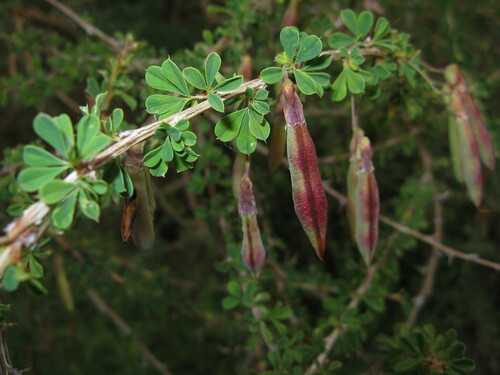
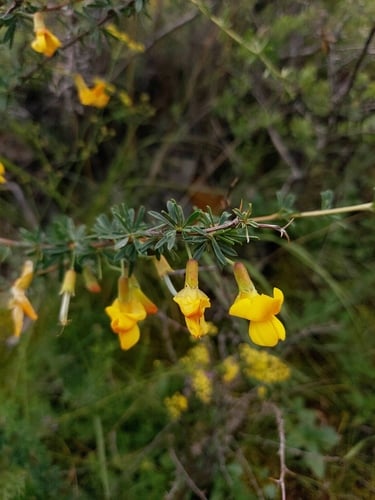
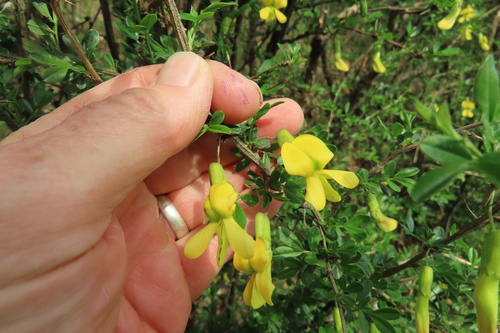
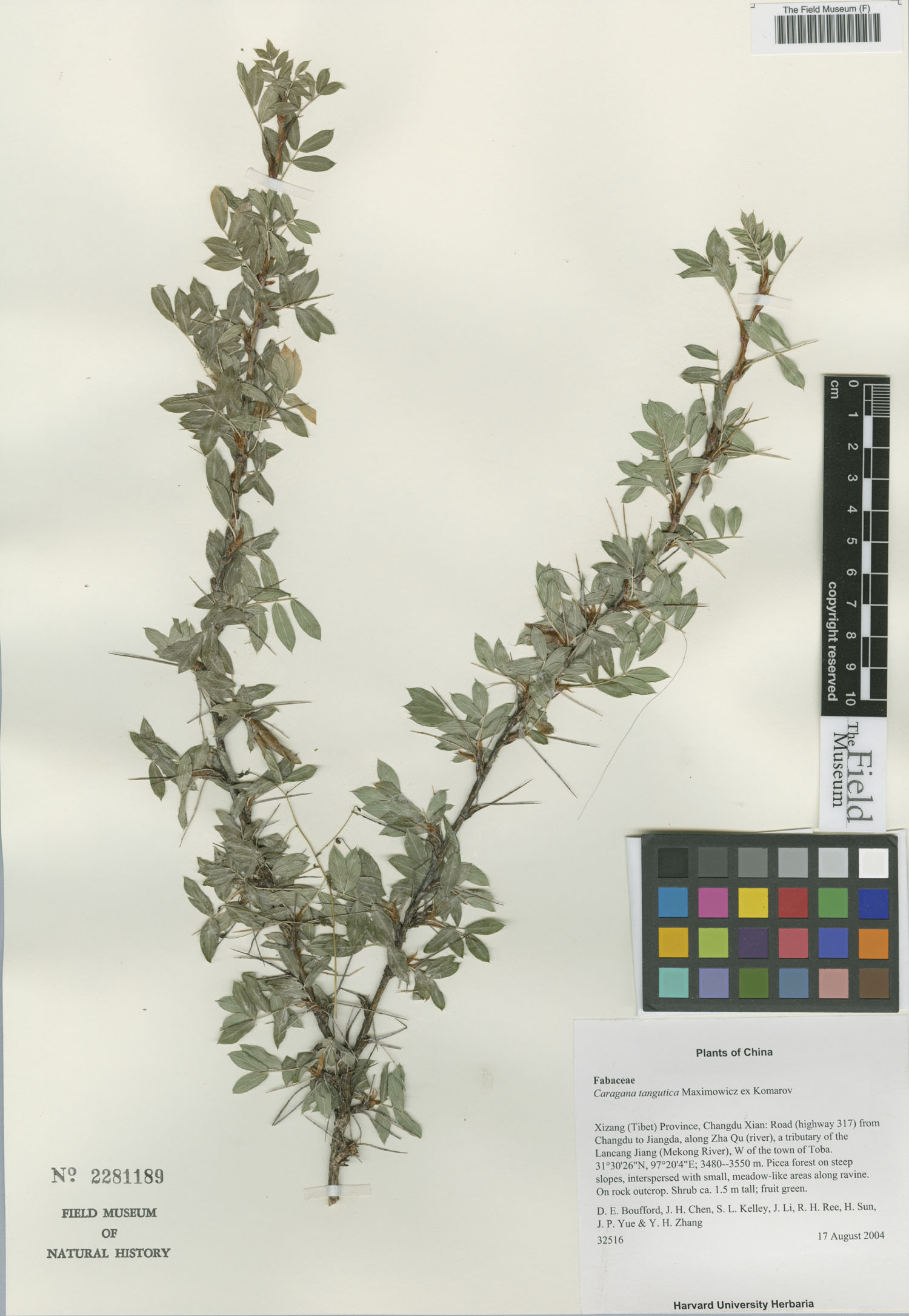
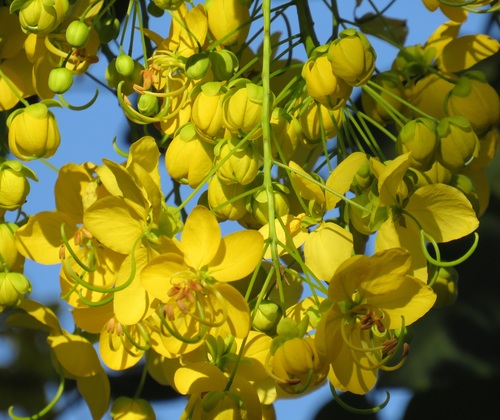
Lupinus termis
Forssk.
White Lupin
gbif· cc-by
Royal Botanic Gardens, Kew
gbif· cc0
Bell Museum, University of Minnesota
gbif· cc0
Bell Museum, University of Minnesota
Description
Lupinus termis is a ANNUAL growing to 1 m (3ft 3in). The species is hermaphrodite (has both male and female organs) and is pollinated by Bees. It can fix Nitrogen. Suitable for: light (sandy), medium (loamy) and heavy (clay) soils. Suitable pH: mildly acid, neutral and basic (mildly alkaline) soils. It cannot grow in the shade. It prefers moist soil.
Edible Uses
Seed - cooked. Used as a protein-rich vegetable or savoury dish in any of the ways that cooked beans are used, they can also be roasted or ground into a powder. If the seed is bitter this is due to the presence of toxic alkaloids and the seed should be thoroughly leached before being cooked.
Known Hazards
The seed of many lupin species contain bitter-tasting toxic alkaloids, though there are often sweet varieties within that species that are completely wholesome. Taste is a very clear indicator. These toxic alkaloids can be leeched out of the seed by soaking it overnight and discarding the soak water. It may also be necessary to change the water once during cooking. Fungal toxins also readily invade the crushed seed and can cause chronic illness.
Distribution
N. Africa - Mediterranean.
Where It Grows
Coming Soon
Cultivation
An easily grown plant, succeeding in any moderately good soil in a sunny position. This species is probably no more than a part of L. albus. Cultivated for its edible seed in Egypt, C. and S. Europe. This species has a symbiotic relationship with certain soil bacteria, these bacteria form nodules on the roots and fix atmospheric nitrogen. Some of this nitrogen is utilized by the growing plant but some can also be used by other plants growing nearby. When removing plant remains at the end of the growing season, it is best to only remove the aerial parts of the plant, leaving the roots in the ground to decay and release their nitrogen.
Propagation
Pre-soak the seed for 24 hours in warm water and sow in mid spring in situ. You may need to protect the seed from mice. Germination should take place within 2 weeks.
Other Uses
Nitrogen fixer. Dynamic accumulator.