Lysidice rhodostegia
Hance
iNaturalist· cc-by-nc
(c) nigelkwokch, some rights reserved (CC BY-NC)
iNaturalist· cc-by
(c) Yj, some rights reserved (CC BY)
iNaturalist· cc-by
(c) Yj, some rights reserved (CC BY)
Description
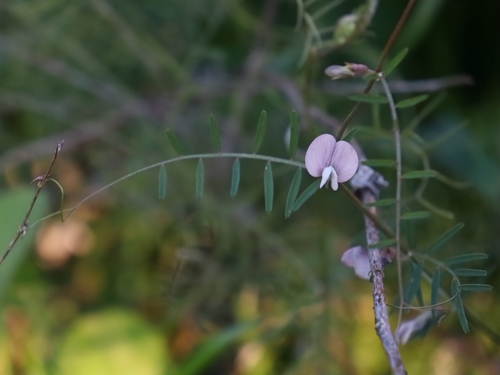
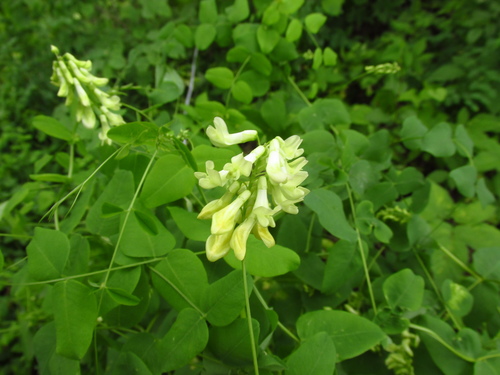
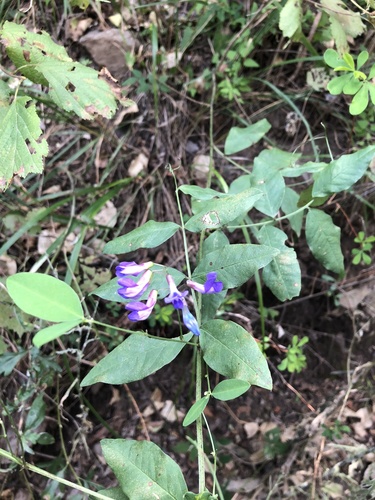
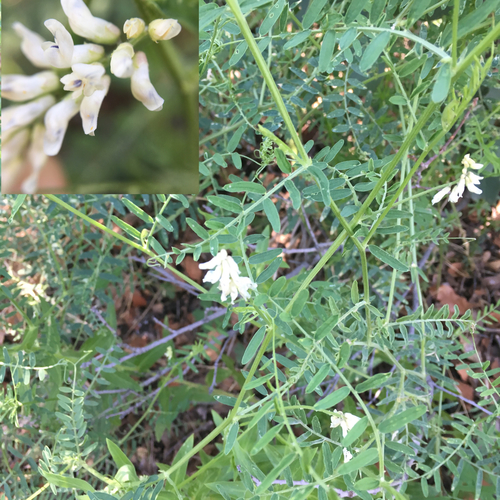
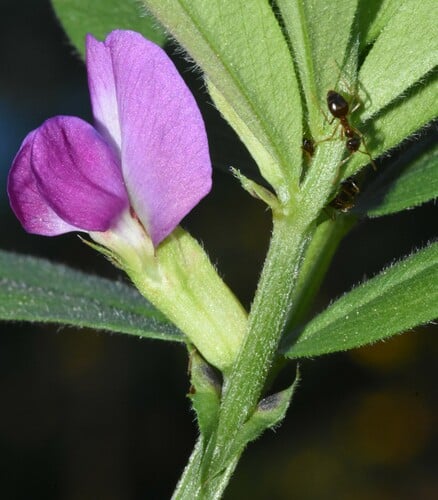
It is a shrub or small tree. It grows 2-5 m tall. The leaves are compound. There are 3-4 pairs of leafets. The leaflets are oblong and 5-16 cm long by 2-7 cm wide. The flowers are in panicles 20-40 cm long. The petals are purple to red. They are broadly oval and 1.2 cm across. The pod is oblong and 12-20 cm long. There are 2-7 seeds. These are brown to red and oblong. They are 2.5 cm long by 1.5 cm wide.
Edible Uses
Seed. We have no further information at present, but have some reservations as to edibility, at least without some kind of treatment, due to the reports of toxicity for other parts of the plant.
Medicinal Uses
The roots, stems, and leaves, although somewhat toxic, are used medicinally to relieve pain from rheumatism, and arthritis and for detumescence.
Known Hazards
The roots, stems, and leaves are somewhat toxic266].
Distribution
It is a tropical plant. It grows in mountain slopes and along valleys near streams below 500 m above sea level. In XTBG Yunnan.
Where It Grows
Africa, Asia, Caribbean, Central America, China*, India, Myanmar, North America, SE Asia, Sri Lanka, Tanzania, Uganda, USA, Vietnam,
Cultivation
Grows best in a fertile soil. This species has a symbiotic relationship with certain soil bacteria; these bacteria form nodules on the roots and fix atmospheric nitrogen. Some of this nitrogen is utilized by the growing plant but some can also be used by other plants growing nearby.
Propagation
Seed - Cuttings of half-ripe wood under mist.
Other Uses
The not very durable timber is used for temporary articles.
Notes
Also as Caesalpinaceae.
Also Known As
Khe nui, Mi
References (3)
- Ambasta, S.P. (Ed.), 2000, The Useful Plants of India. CSIR India. p 344
- J. Bot. 5:298. 1867
- World Checklist of Useful Plant Species 2020. Royal Botanic Gardens, Kew