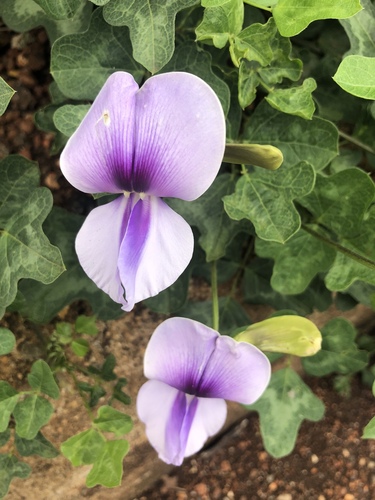
Lysiloma acapulcense
(Kunth) Benth
Acapulco lysiloma
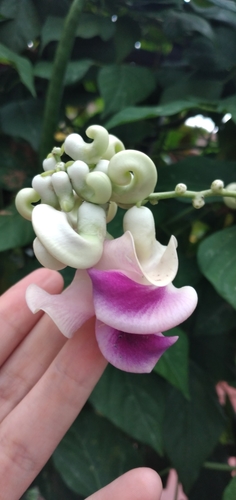
iNaturalist· cc-by-nc
(c) Ethan, some rights reserved (CC BY-NC)
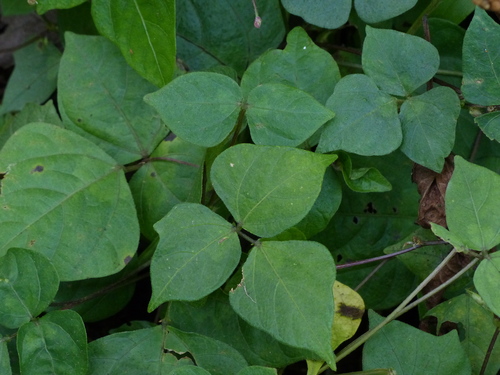
iNaturalist· cc-by-nc
(c) Ethan, some rights reserved (CC BY-NC)
iNaturalist· cc-by-nc
(c) Ethan, some rights reserved (CC BY-NC)
Description
A tropical tree in the Fabaceae family found from sea level to 1,700 m elevation, cultivated from seeds that are soaked for 24 hours before planting.
This description is brief — help expand it
Medicinal Uses
Seeds are used medicinally.
Distribution
It is a tropical plant. It grows from sea level to 1,700 m above sea level.
Where It Grows
Belize, Central America, Costa Rica, El Salvador, Guatemala, Honduras, Mexico, Nicaragua, North America,
Cultivation
Plants can be grown from seeds. Seeds are soaked in water for 24 hours before planting. Seedlings are transplanted from the nursery after 3 months.
Other Uses
The bark is a source of tannins. A gum which exudes from the bark is used like gum arabic (obtained from Senegalia senegal). The sapwood is a deep pink. The wood is used for construction and fenceposts. The wood is used for fuel. We have no more specific information for the wood of this species, but the following is a general description of wood from trees in this genus:- The lustrous brown heartwood has a coppery or purplish tinge, sometimes faintly striped; it is sharply demarcated from the thin layer of white sapwood. The texture is medium; the grain straight to roey; it is without distinctive odour or taste. The heartwood is rated as highly durable. The wood is reported to air-season slowly; kiln-dried boards were prone to surface and end checking. The wood is considered to be easy to work, it finishes smoothly, and takes a high natural polish. It is used for general construction, furniture making, wheel wright work, parquet flooring, interior trim, bobbins and shuttles, veneer, and knife handles. The plant often regenerates freely along roadsides and in degraded woodlands. Coupled with its ability to grow on poor soils and also to fix atmospheric nitrogen, it makes this species a potentially very good pioneer species for restoring native woodland and for establishing woodland gardens. The leaves are used as a mulch and green manure.
Notes
Also as Mimosaceae.
Synonyms
Also Known As
Guiolicul, Ardillo, Sicahuite, Tepehuaje
References (1)
- Grandtner, M. M., 2008, World Dictionary of Trees. Wood and Forest Science Department. Laval University, Quebec, Qc Canada. (Internet database http://www.wdt.qc.ca)