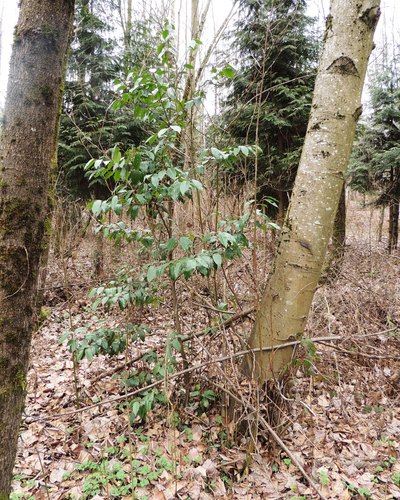
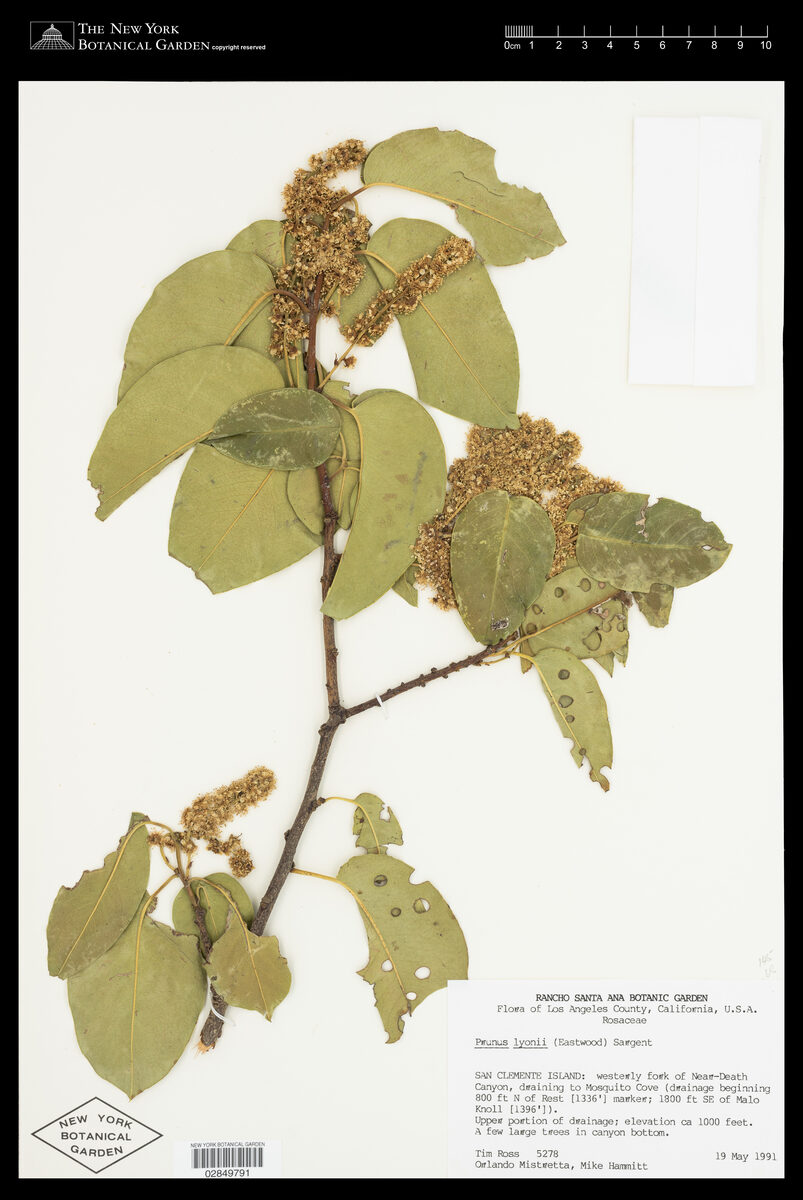
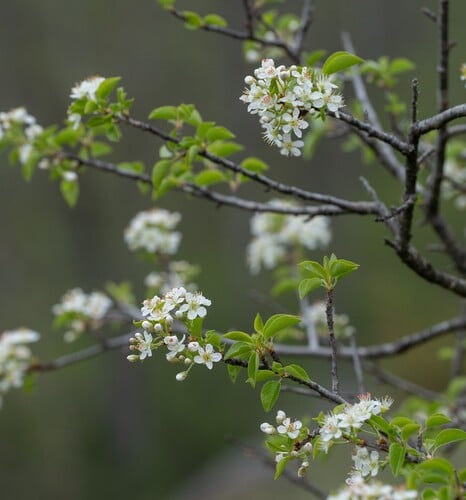
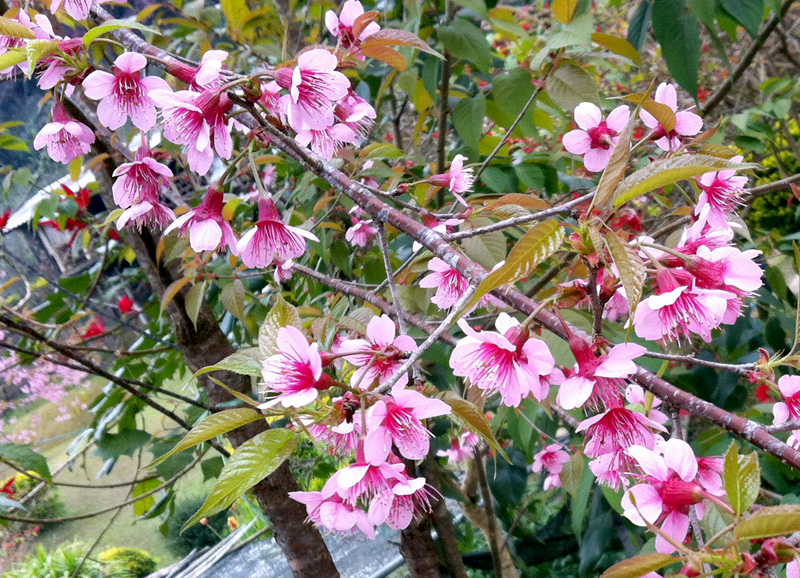
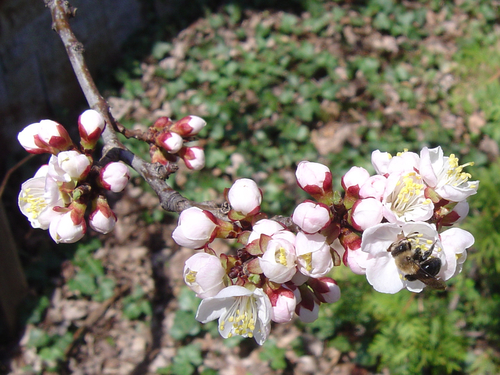
Malus florentina - (Zucc.)Schneid.
(Zucc.)Schneid.
Hawthorn-leaf crab apple
gbif· cc-by
GBIF
gbif· cc-by-sa
GBIF
gbif· cc-by
GBIF
Description
Malus florentina is a deciduous Tree growing to 8 m (26ft) by 6 m (19ft). See above for USDA hardiness. It is hardy to UK zone 4 and is not frost tender. It is in flower in June, and the seeds ripen from October to November. The species is hermaphrodite (has both male and female organs) and is pollinated by Insects. It is noted for attracting wildlife. Suitable for: light (sandy), medium (loamy) and heavy (clay) soils, prefers well-drained soil and can grow in heavy clay soil. Suitable pH: mildly acid, neutral and basic (mildly alkaline) soils. It can grow in semi-shade (light woodland) or no shade. It prefers moist or wet soil.
Edible Uses
Fruit - raw or cooked. The oval fruit is about 15mm long and 8mm wide, it ripens in mid autumn and usually bletts on the tree. When bletted, it has a mealy texture with a soft acid flesh, we found it refreshing in small quantities.
Known Hazards
All members of this genus contain the toxin hydrogen cyanide in their seeds and possibly also in their leaves, but not in their fruits. Hydrogen cyanide is the substance that gives almonds their characteristic taste but it should only be consumed in very small quantities. Apple seeds do not normally contain very high quantities of hydrogen cyanide but, even so, should not be consumed in very large quantities. In small quantities, hydrogen cyanide has been shown to stimulate respiration and improve digestion, it is also claimed to be of benefit in the treatment of cancer. In excess, however, it can cause respiratory failure and even death.
Distribution
Europe - Northern Italy.
Where It Grows
TEMPERATE ASIA: Turkey (north) EUROPE: Albania, Greece (north), Italy (north), North Macedonia, Serbia (south)
Cultivation
An easily grown plant, it succeeds in most fertile soils, preferring a moisture retentive well-drained loamy soil. Grows well in heavy clay soils. Prefers a sunny position but succeeds in partial shade, though it fruits less well in such a situation. This species is a very good pollinator for the cultivated apples. The fruit is a good wildlife food source, especially for birds. A very ornamental tree, especially when flowering in the spring, it makes a good specimen tree in a lawn. Some botanists believe this species to be a bigeneric hybrid between M. sylvestris and Sorbus torminalis. They have assigned the name Malosorbus florentina to the plant, but this is not generally accepted. Plants in this genus are notably susceptible to honey fungus.
Propagation
Seed - best sown as soon as it is ripe in the autumn in a cold frame. It usually germinates in late winter. Stored seed requires stratification for 3 months at 1°c and should be sown in a cold frame as soon as it is received. It might not germinate for 12 months or more. Prick out the seedlings into individual pots as soon as they are large enough to handle. If given a rich compost they usually grow away quickly and can be large enough to plant out in late summer, though consider giving them some protection from the cold in their first winter. Otherwise, keep them in pots in a cold frame and plant them out in late spring of the following year. Cuttings of mature wood, November in a frame.