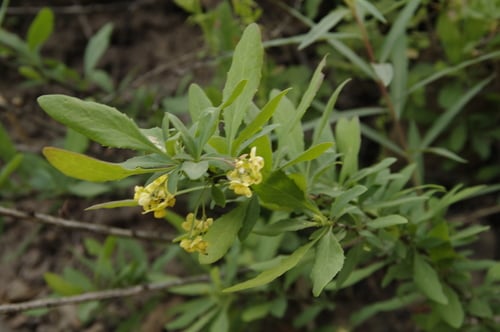
Mahonia gracilis - (Hartw.)Fedde.
(Hartw.)Fedde.
Mexican Barberry
gbif· cc-by
Royal Botanic Gardens, Kew
gbif· cc-by
Royal Botanic Gardens, Kew
gbif· cc-by
Royal Botanic Gardens, Kew
Description
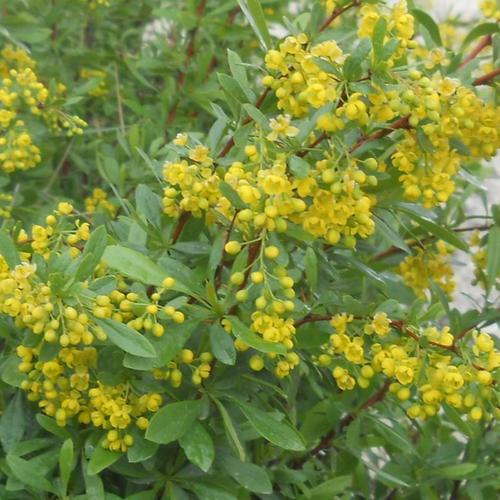
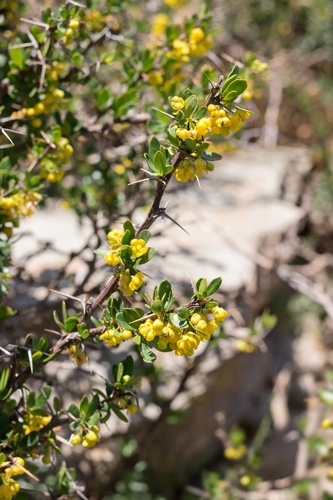
Mahonia gracilis is an evergreen Shrub growing to 1.5 m (5ft). See above for USDA hardiness. It is hardy to UK zone 8. It is in leaf all year, in flower from February to March. The species is hermaphrodite (has both male and female organs) and is pollinated by Insects. Suitable for: light (sandy), medium (loamy) and heavy (clay) soils and prefers well-drained soil. Suitable pH: mildly acid, neutral and basic (mildly alkaline) soils. It cannot grow in the shade. It prefers dry or moist soil.
Edible Uses
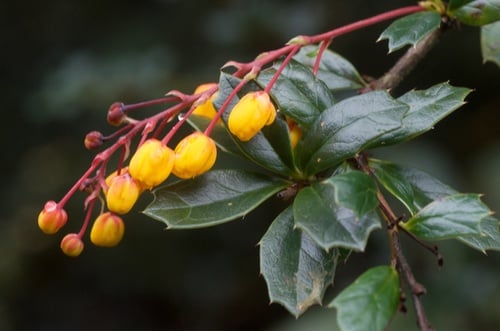
The fruit of all members of the genus is edible either raw or cooked, though we do not know the quality of this species. The ovoid fruit is produced in racemes and is up to 12mm long.
Distribution
South-western N. America - Mexico.
Where It Grows
NORTHERN AMERICA: Mexico (Nuevo León, San Luis Potosí, Tamaulipas, Hidalgo, Oaxaca, Veracruz de Ignacio de la Llave)
Cultivation
Unlike most members of this genus, this species requires a dry, well-drained soil in a shady position. It requires a position sheltered from strong or cold winds. Plants are only hardy in the milder areas of the country, tolerating temperatures down to about -5°c when fully dormant. The young growth in spring can be damaged by late frosts. Hybridizes freely with other members of this genus. Plants in this genus are resistant to honey fungus.
Propagation
Seed -