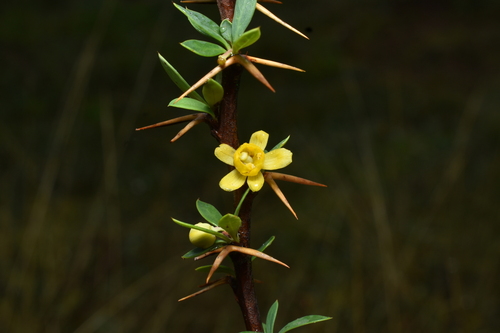
Berberis pruinosa
Franch.
iNaturalist· cc-by
(c) Михаил Орлов, some rights reserved (CC BY), uploaded by Михаил Орлов
iNaturalist· cc-by-nc
(c) Sheng-Yuan Qin, some rights reserved (CC BY-NC)
iNaturalist· cc-by-nc
(c) 通通, some rights reserved (CC BY-NC)
Description
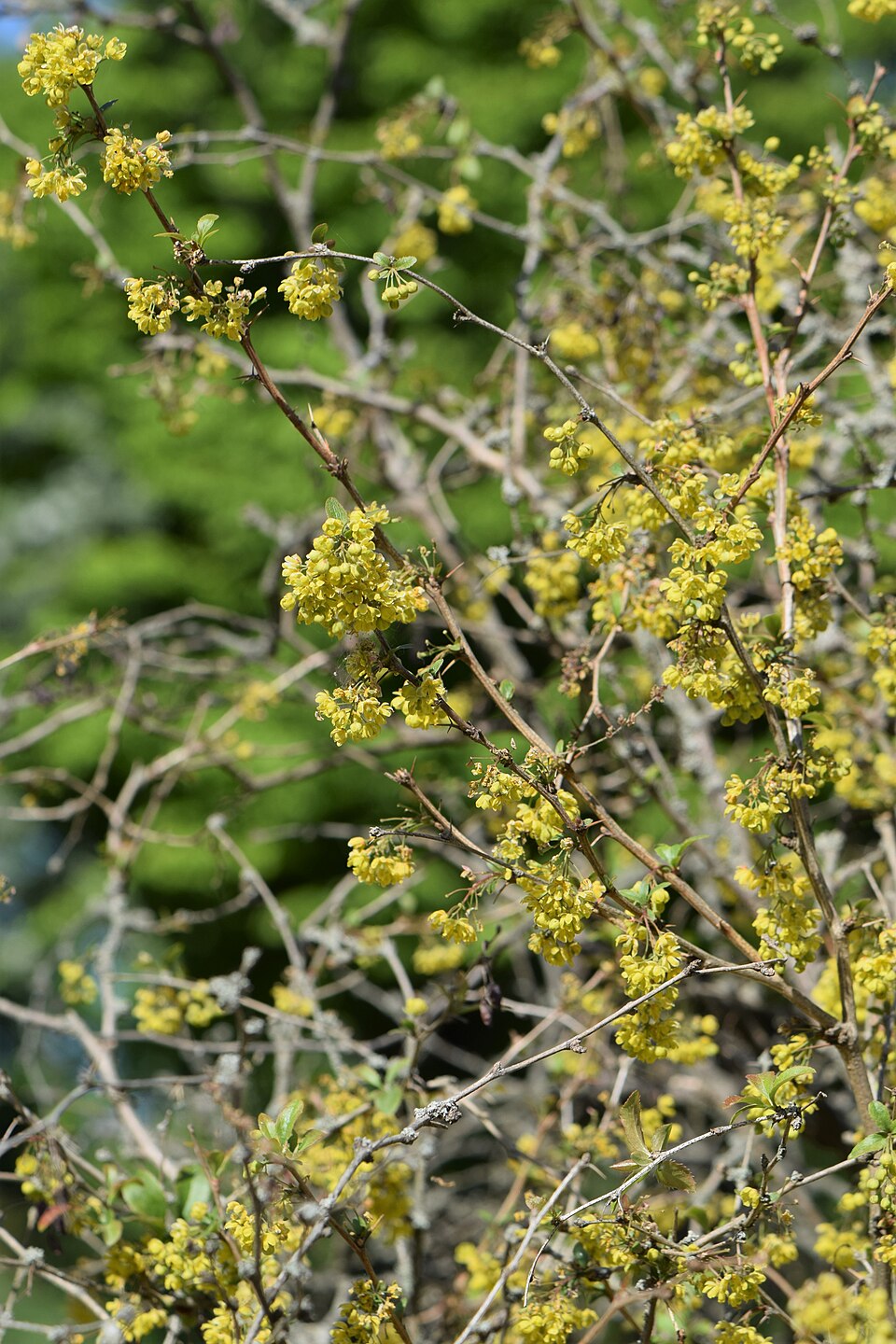
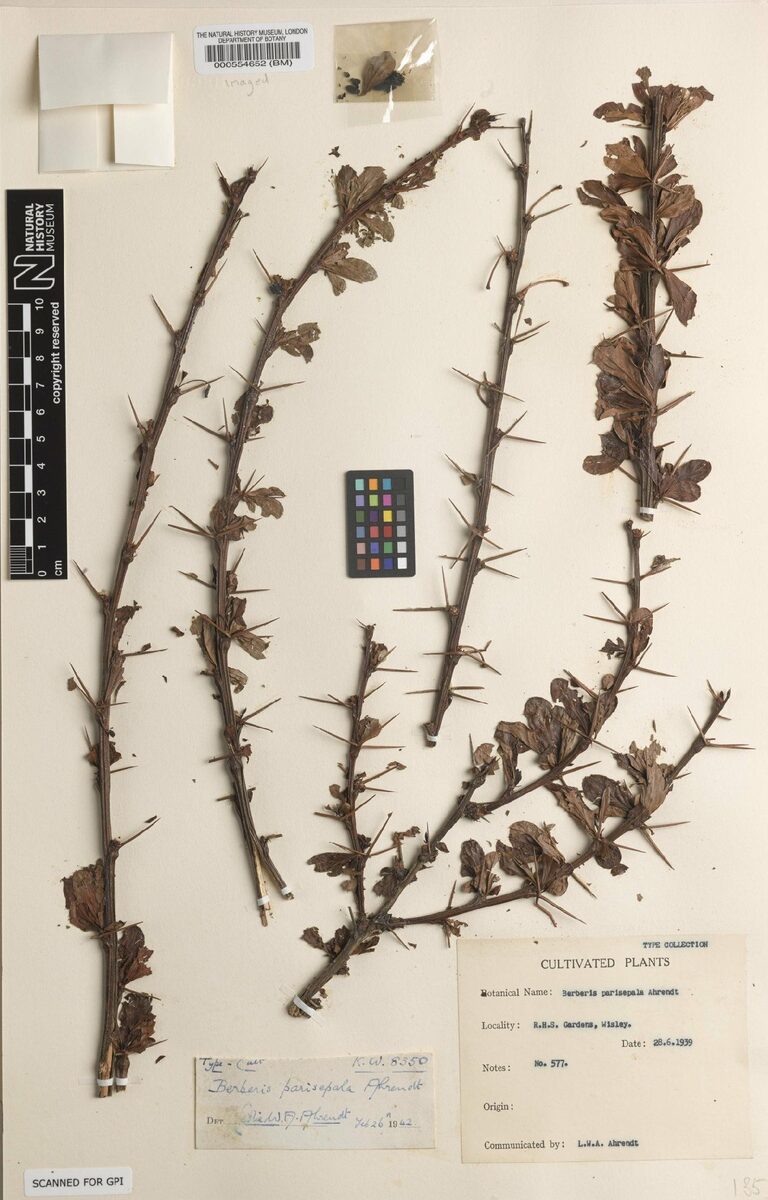
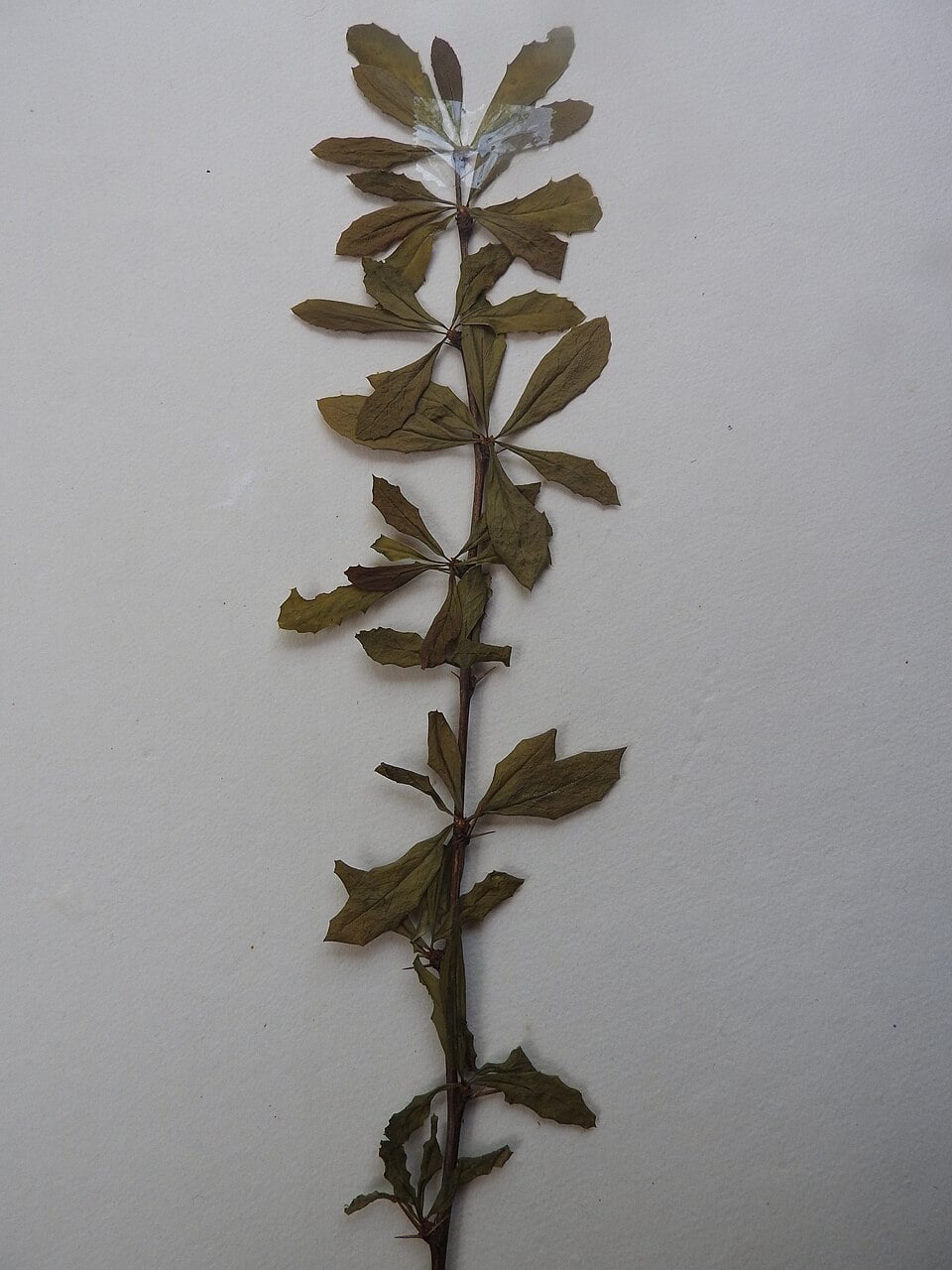
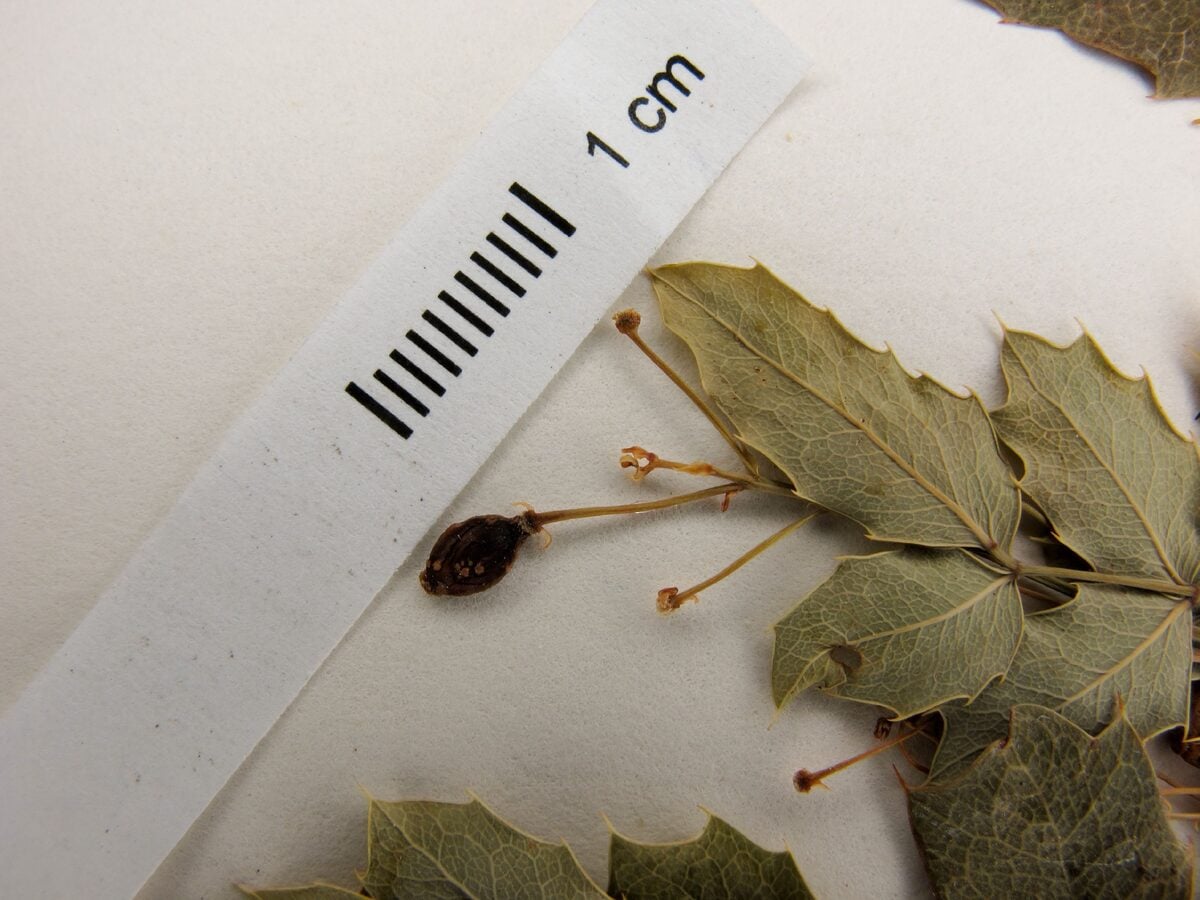
A shrub. It grows 1-2 m tall. It keeps its leaves throughout the year. It has spines. The leaves are 2-6 cm long by 103 cm wide. The flowers are in groups of 10-20. The fruit are oval and 6-7 mm long by 5-5 mm wide.
Edible Uses
The young stems, leaves, and fruit are eaten fresh.
Traditional Uses
The young stems, leaves and fruit are eaten fresh.
This uses section is brief — help expand it
Distribution
It is a subtropical plant. It grows on the edges of forests between 1,800-4,000 m above sea level. It grows in wetlands. It grows in Sichuan and Yunnan in China.
Where It Grows
Asia, China, Himalayas, Tibet,
Production
In Yunnan the plant is harvested from May to September.
Also Known As
Qiesi
References (3)
- Ju, Y., et al, 2013, Eating from the wild: diversity of wild edible plants used by Tibetans in Shangri-la region, Yunnan, China, Journal of Ethnobiology and Ethno medicine 9:28
- Zhang, L. et al, 2013, An Ethnobotanical Study of Traditional Edible Plants Used by Naxi People in Northwestern Yunnan, China. - A Case Study in Wenhai Village. Plant Diversity and Resources. p 484
- Zhang, L., et al, 2016, Ethnobotanical study of traditional edible plants used by the Naxi people during droughts. Journal of Ethnobiology and Ethnomedicine. 12:39