Berberis petiolaris
Wall. ex G. Don
wikimedia· cc-by
Wikimedia Commons - Yercaud-elango
wikimedia· cc-by
Wikimedia Commons - Yercaud-elango
Description
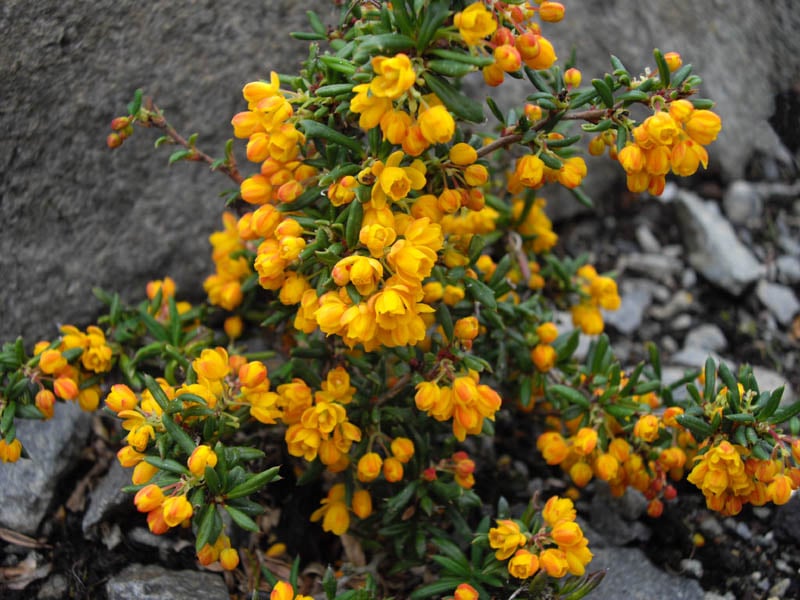
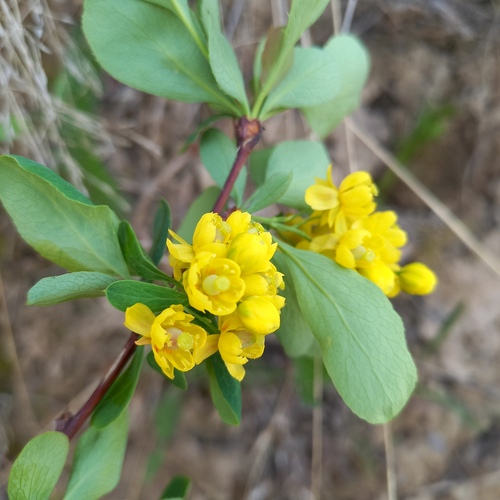
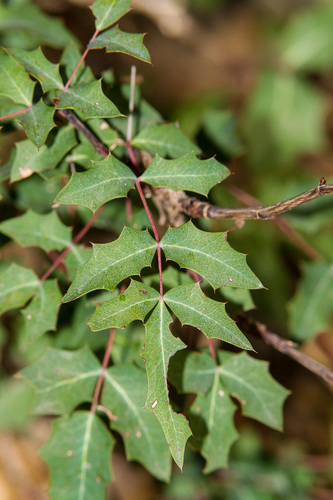
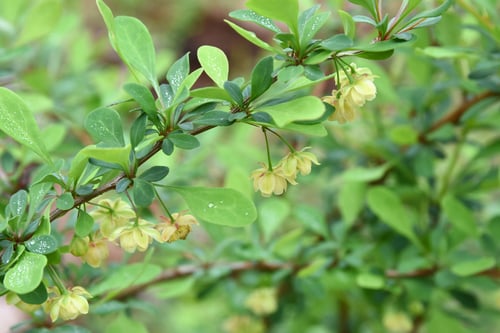
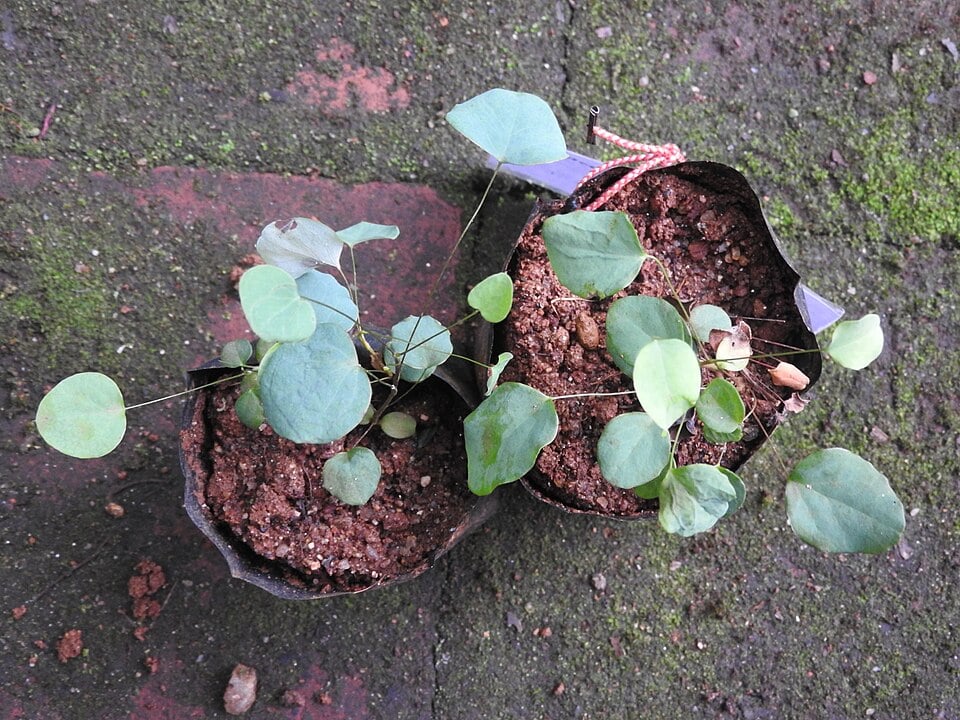
A large shrub. It grows 3-6 m tall. The stems are angled. It loses its leaves. The leaves are broadly oval or sword shaped and can have irregular teeth or spines. The leaves are green on both sides. The flowers are yellow and in groups. The fruit are oval and red-purple. They have several seeds.
Edible Uses
The ripe fruit are eaten fresh, and unripe fruit are pickled.
Traditional Uses
The ripe fruit are eaten. Unripe fruit are pickled.
This uses section is brief — help expand it
Medicinal Uses
Traditional uses documented.
Distribution
It is a subtropical plant. It grows in the Himalayas between 2,000-3,300 m above sea level. It grows on open slopes and the edges of forests.
Where It Grows
Asia, Himalayas, India, Nepal,
Production
In the Himalayas is flowers from March to June and fruits from September to October.
Also Known As
Chotar, Kashmal, Kilmora
References (2)
- Upreti, K., et al, 2010, Diversity and Distribution of Wild Edible Fruit Plants of Uttarakhand. Bioversity Potentials of the Himalaya. p 161
- Wild edible plants of Himachal Pradesh