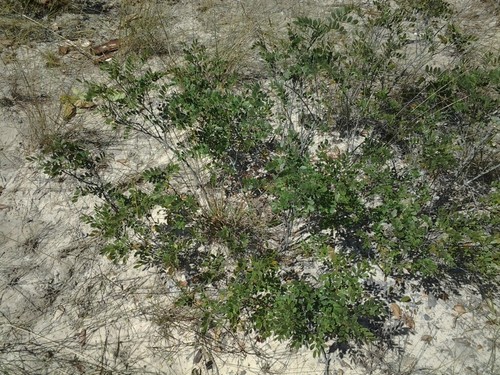
Lupinus littoralis
Douglas.
Seashore Lupine
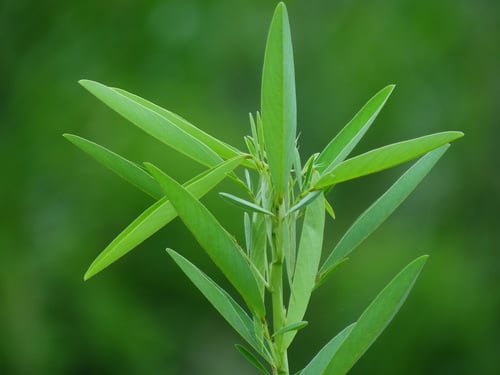
iNaturalist· cc-by-nc
(c) Ian Cruickshank, some rights reserved (CC BY-NC), uploaded by Ian Cruickshank
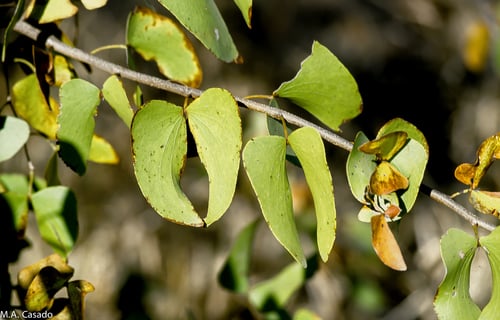
iNaturalist· cc-by-nc
(c) Ocean Fleskes, some rights reserved (CC BY-NC), uploaded by Ocean Fleskes
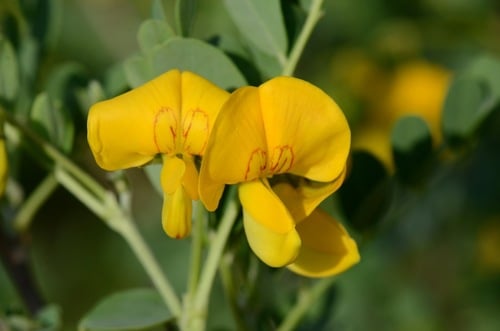
iNaturalist· cc-by-nc
(c) bhallberg, some rights reserved (CC BY-NC), uploaded by bhallberg
Description
Lupinus littoralis is a PERENNIAL growing to 0.5 m (1ft 8in) by 0.5 m (1ft 8in). See above for USDA hardiness. It is hardy to UK zone 7. It is in flower from June to October, and the seeds ripen from July to October. The species is hermaphrodite (has both male and female organs) and is pollinated by Bees. It can fix Nitrogen. Suitable for: light (sandy), medium (loamy) and heavy (clay) soils, prefers well-drained soil and can grow in nutritionally poor soil. Suitable pH: mildly acid and neutral soils and can grow in very acid soils. It cannot grow in the shade. It prefers moist soil and can tolerate drought. The plant can tolerates strong winds but not maritime exposure.
Edible Uses
Root - raw or cooked. The root can be dried and roasted. A sweet flavour, almost like sugar. The tough and fibrous roots are rich in starch. The root is roasted and then pounded to loosen the edible fibres from the stem. The roasted, dried and powdered root can be stored for winter use. The roots can be up to 1 metre long. Lupine roots are best not eaten raw since they contain alkaloids that could be poisonous - North American Indians would fall into a drunken sleep if they ate them raw, though they are perfectly safe when cooked.
Known Hazards
The seed of many lupin species contain bitter-tasting toxic alkaloids, though there are often sweet varieties within that species that are completely wholesome. Taste is a very clear indicator. These toxic alkaloids can be leeched out of the seed by soaking it overnight and discarding the soak water. It may also be necessary to change the water once during cooking. Fungal toxins also readily invade the crushed seed and can cause chronic illness.
Distribution
Western N. America - British Columbia to California.
Where It Grows
NORTHERN AMERICA: Canada (British Columbia (southwest)), United States (Oregon (west), Washington (west), California (northwest))
Cultivation
An easily grown plant, succeeding in any moderately good soil in a sunny position. It strongly dislikes excessive winter wet. Requires an acid to neutral soil. Succeeds in poor soils. Plants dislike root disturbance. This species has a symbiotic relationship with certain soil bacteria, these bacteria form nodules on the roots and fix atmospheric nitrogen. Some of this nitrogen is utilized by the growing plant but some can also be used by other plants growing nearby.
Propagation
Pre-soak the seed for 24 hours in warm water and then sow in early spring in a greenhouse. Germination should take place within a couple of weeks. When they are large enough to handle, prick the seedlings out into individual pots and plant them out in the summer. It should also be possible to sow the seed in situ in mid spring. It might be necessary to protect the sowing from mice. Division in March. Difficult. Basal cuttings, April in a cold frame. Harvest the shoots when they are about 10cm long with plenty of underground stem. Pot them up into individual pots and keep them in light shade in a cold frame or greenhouse until they are rooting well. Plant them out in the summer.
Other Uses
Green manureA good green manure plant for poor soils. It is quite fast growing and fixes atmospheric nitrogen.