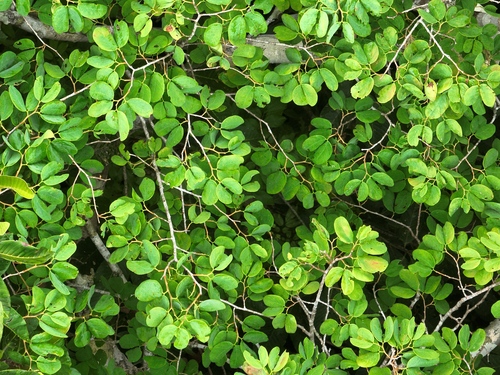
Acacia fimbriata
A. Cunn. ex G. Don
Brisbane Golden Wattle, Fringed wattle
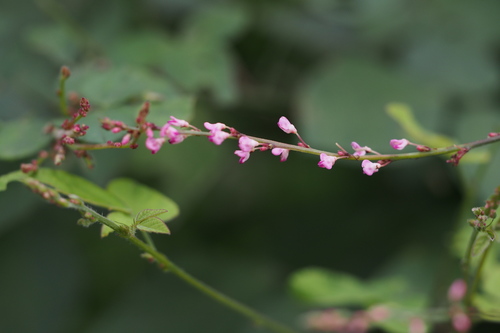
iNaturalist· cc-by-nc
(c) Geoffrey Sinclair, some rights reserved (CC BY-NC), uploaded by Geoffrey Sinclair
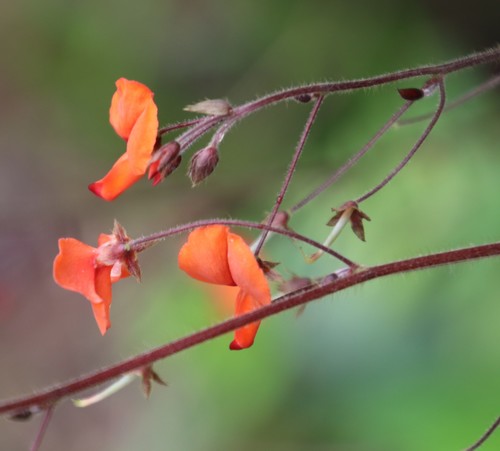
iNaturalist· cc-by-nc
(c) Martin Bennett, some rights reserved (CC BY-NC), uploaded by Martin Bennett
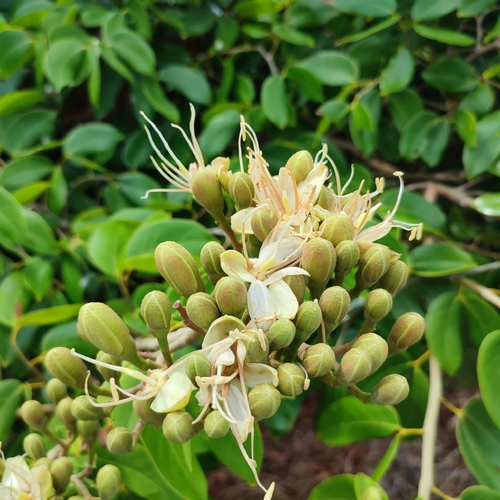
iNaturalist· cc-by-nc
(c) David, some rights reserved (CC BY-NC), uploaded by David
Summary
Source: WikipediaAcacia fimbriata, commonly known as fringed wattle, Brisbane golden wattle, or Brisbane wattle, is a species of flowering plant in the family Fabaceae and is endemic to the east coast of Australia. It is a shrub or tree with linear to narrowly oblong or narrowly lance-shaped phyllodes, spherical heads of bright golden yellow flowers and glabrous, firmly papery pods. It is the floral emblem of the city of Brisbane, Queensland.
Description
A shrub or small tree. It grows 5 m tall. There are prickles along the stem. The leaves are twice divided and there are 8-18 pairs of pinnae. There are up to 50 pairs of pinnules on each pinnae. The flowers are yellow. They are in large clusters at the ends of branches. The pods are flattened.
Edible Uses
The gum and seeds were probably eaten after processing.
Traditional Uses
The gum and seeds were probably eaten after processing.
This uses section is brief — help expand it
Distribution
It is a subtropical plant. It grows in moist gullies and near creeks. It is often on sandy or stony soil.
Where It Grows
Africa, Asia, Australia*, India, New Zealand, South Africa, Southern Africa,
Cultivation
Plants are grown from treated seed. It can also be grown by cuttings.
Production
It lives for about 10 years.
Notes
There are about 1,350 Acacia species. Over 1,000 occur in Australia. Also as Mimosaceae.
Synonyms
References (4)
- A guide to some edible/useful (mostly) local species
- Gen. hist. 2:406. 1832
- Melzer, R. & Plumb, J., 2011, Plants of Capricornia. Belgamba, Rockhampton. p 188
- Ryan, M. (Ed.), 2003, Wild Plants of Greater Brisbane. Queensland Museum. p 119