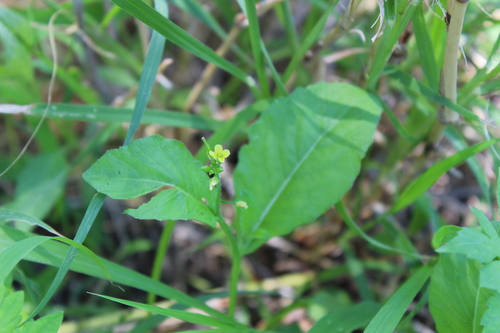
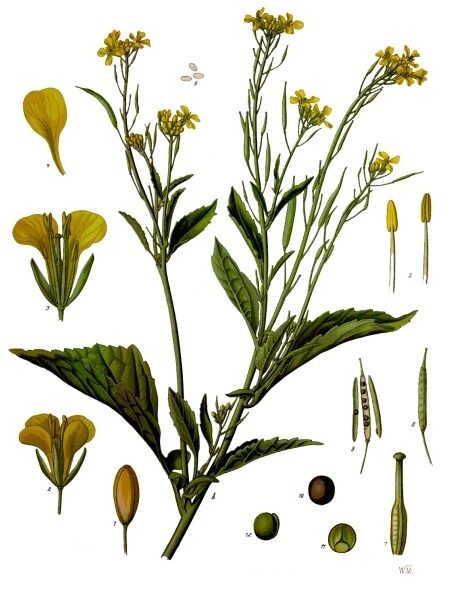
Lunaria annua
L.
Honesty, Annual honesty, Silver Dollar, Moneywort, Moonwort, Penny Flower, Money Plant
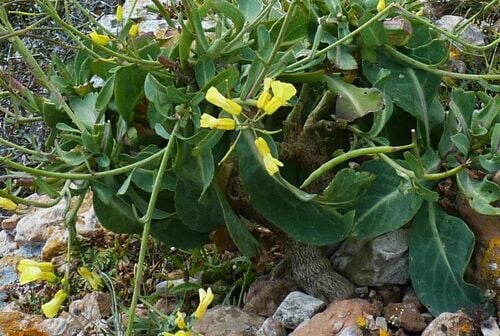
iNaturalist· cc-by-nc
(c) maticus, some rights reserved (CC BY-NC), uploaded by maticus
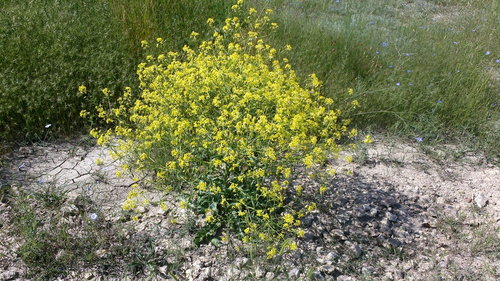
iNaturalist· cc-by-nc
(c) Joey Shaw, some rights reserved (CC BY-NC), uploaded by Joey Shaw
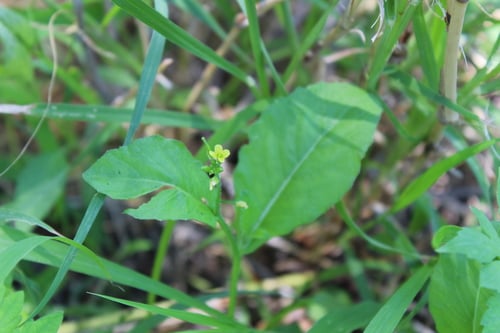
iNaturalist· cc-by-nc-sa
(c) AnneTanne, some rights reserved (CC BY-NC-SA)
Description
Lunaria annua is a ANNUAL/BIENNIAL growing to 0.6 m (2ft) by 0.3 m (1ft in) at a fast rate. See above for USDA hardiness. It is hardy to UK zone 6 and is not frost tender. It is in flower from May to July, and the seeds ripen from June to August. The species is hermaphrodite (has both male and female organs) and is pollinated by Bees, flies, Lepidoptera (Moths & Butterflies). The plant is self-fertile. It is noted for attracting wildlife. Suitable for: light (sandy), medium (loamy) and heavy (clay) soils. Suitable pH: mildly acid, neutral and basic (mildly alkaline) soils. It can grow in semi-shade (light woodland) or no shade. It prefers moist soil and can tolerate drought.
Edible Uses
Condiment. Seed - cooked. A pungent flavour, they are used as a mustard substitute. The pungency of mustard develops when cold water is added to the ground-up seed - an enzyme (myrosin) acts on a glycoside (sinigrin) to produce a sulphur compound. The reaction takes 10 - 15 minutes. Mixing with hot water or vinegar, or adding salt, inhibits the enzyme and produces a mild bitter mustard. Root - raw. Used before the plant produces flowers.
Distribution
Europe - Sweden. More or less naturalized in Britain.
Where It Grows
EUROPE: Albania, Bulgaria, Bosnia and Herzegovina, Greece (incl. Crete), Croatia, Italy, North Macedonia, Montenegro, Romania (southwest), Serbia
Cultivation
Succeeds in ordinary garden soil. Prefers a light soil. Prefers partial shade but also succeeds in full sun. Established plants tolerate drought. Plants are hardy to about -15°c. A good bee and butterfly plant. Often grown in the flower garden, it is occasionally cultivated for its root. Plants are fast-growing and usually self-sow freely.
Propagation
Seed - sow early spring or early autumn in situ. The plant will often self-sow.