Ethulia conyzoides
Linn.f.
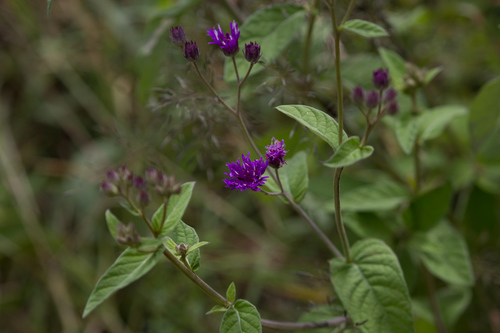
iNaturalist· cc-by-nc
(c) Ricky Taylor, some rights reserved (CC BY-NC), uploaded by Ricky Taylor
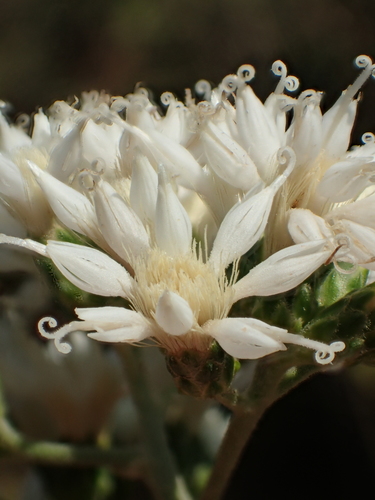
iNaturalist· cc-by-nc
(c) Ítalo dos Santos Agustinho, some rights reserved (CC BY-NC)
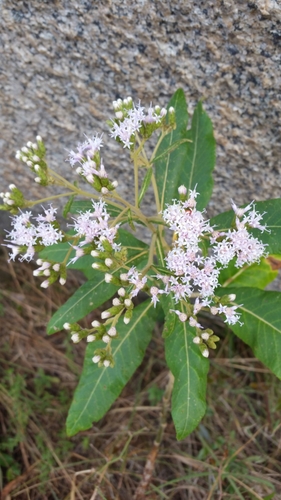
iNaturalist· cc-by-nc
(c) Ítalo dos Santos Agustinho, some rights reserved (CC BY-NC)
Description
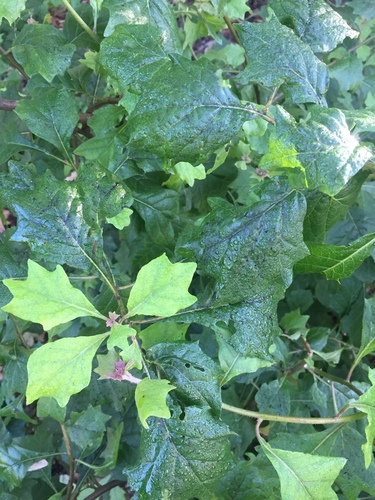
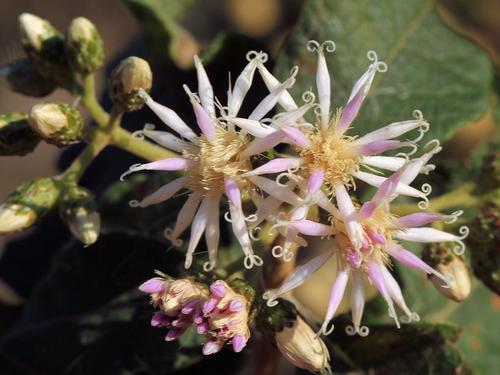
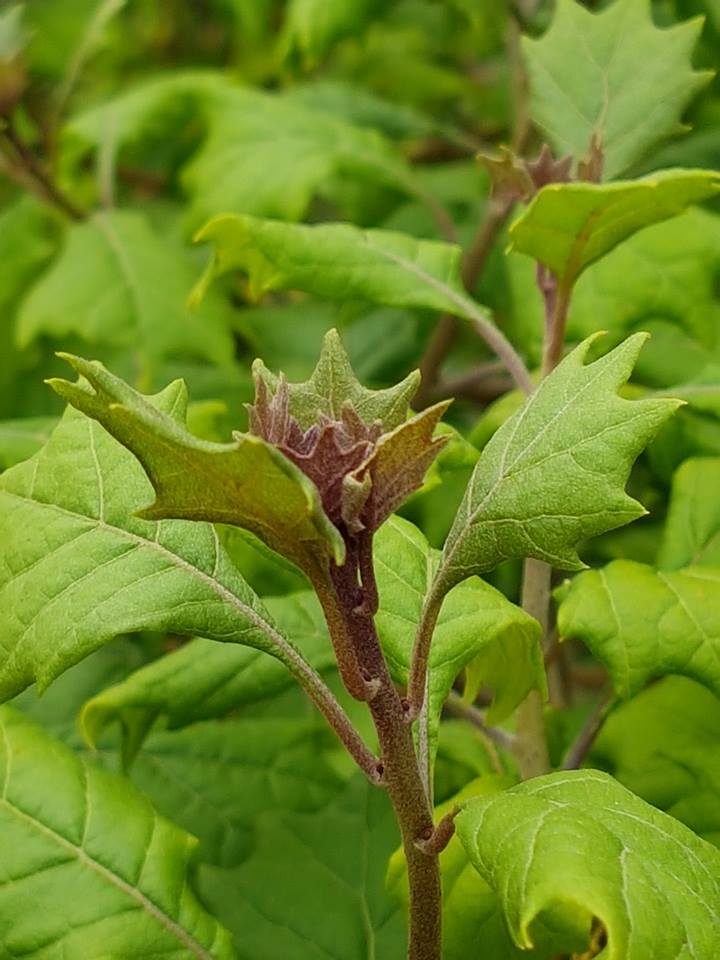
An erect herb. It grows from seed each year. It grows 25-180 cm high. The plant has a sweet smell. The leaves are alternate. They have irregular teeth along the edge. The flowers are at the top of the plant and in dark red heads in groups.
Edible Uses
The leaves are eaten as a vegetable.
Medicinal Uses
The leaves have a wide range of uses. They are said to be anodyne, anthelmintic, aphrodisiac, oxytocic and stomachic. They are used in the treatment of yaws. The macerated leaves are given to children to calm palpitations. The sap of the leaves is taken as a remedy for diarrhoea; to relieve abdominal distension and colic; and to rid the body of intestinal parasites. The cooked leaves are given to a mother at childbirth to stimulate uterine contractions. They are used in parts of Africa as a method of birth-control - they are pounded, then mixed with water and drunk 2 - 3 days after conception. By contrast the leaves are taken with food in Liberia in order to prevent abortion. A decoction of the leaves, combined with those of Baphia spp., is made into a 'hot squat' to remedy pelvic pain. Applied externally, the pounded leaves are applied as a poultice on tumours, cuts, sprains and fractures. The boiled leaves are applied to wounds and traumatic haemorrhages. The leaf sap is squeezed in the eyes as a remedy for sore and blood-shot eyes and headaches. A decoction of the root is considered aphrodisiac. A decoction of the fine roots is used as an abortifacient. The root, combined with red pepper (Capsicum spp.) is given as an enema to treat constipation. The seed is recorded as containing saponin.
Distribution
A tropical plant. It grows in moist areas along rivers. In Zimbabwe it grows up to 1,100 m above sea level. It grows in the lowlands. It grows in flooded rice fields and in rain fed crops. In Yunnan.
Where It Grows
Africa, Asia, Benin, Botswana, Burkina Faso, Cambodia, Central Africa, Central African Republic, CAR, China, Congo, East Africa, Egypt, Eswatini, Ethiopia, Guinea, Guinée, Guinea-Bissau, India, Indochina, Kenya, Laos, Madagascar, North Africa, Sao Tome and Principe, SE Asia, Sierra Leone, South Africa, South America, Southern Africa, Swaziland, Taiwan, Thailand, West Africa, Zambia, Zimbabwe,
Cultivation
The plant may become a troublesome weed of cultivation. In Zanzibar and Pemba it invades rice-paddies.
Also Known As
Homandra, Luboel, Socora-bate
References (10)
- Achigan-Dako, E, et al (Eds), 2009, Catalogue of Traditional Vegetables in Benin. International Foundation for Science.
- Ambasta, S.P. (Ed.), 2000, The Useful Plants of India. CSIR India. p 205
- Dec. pl. horti upsal. 1:1, t. 1. 1762 (L., Sp. pl. ed. 2, 2:1171. 1763)
- Grivetti, L. E., 1980, Agricultural development: present and potential role of edible wild plants. Part 2: Sub-Saharan Africa, Report to the Department of State Agency for International Development. p 48
- Malaisse, F., 1997, Se nourrir en floret claire africaine. Approche ecologique et nutritionnelle. CTA., p 91.
Show all 10 references Hide references
- Martin, F.W. & Ruberte, R.M., 1979, Edible Leaves of the Tropics. Antillian College Press, Mayaguez, Puerto Rico. p 185
- Mutie, F. M., et al, 2023, Important Medicinal and Food Taxa (Orders and Families) in Kenya, Based on Three Quantitative Approaches. Plants 2023, 12, 1145
- Pickering, H., & Roe, E., 2009, Wild Flowers of the Victoria Falls Area. Helen Pickering, London. p 36
- Swaziland's Flora Database http://www.sntc.org.sz/flora
- World Checklist of Useful Plant Species 2020. Royal Botanic Gardens, Kew