Erythroxylum novogranatense
(Morris) Hieron
Java coca, Colombian coca
iNaturalist· cc-by-nc
(c) Manuel Roncal, some rights reserved (CC BY-NC)
iNaturalist· cc-by-nc
(c) Joey Santore, some rights reserved (CC BY-NC), uploaded by Joey Santore
Summary
Source: WikipediaErythroxylum novogranatense, also known as Colombian Coca, is a species of shrub or small tree in the family Erythroxylaceae native to Colombia, Ecuador, Peru, Trinidad-Tobago, and Venezuela. It is used medicinally and as a narcotic. Erythroxylum novogranatense is one of the primary species of cultivated Coca, despite being less widely cultivated than Erythroxylum coca.
Description
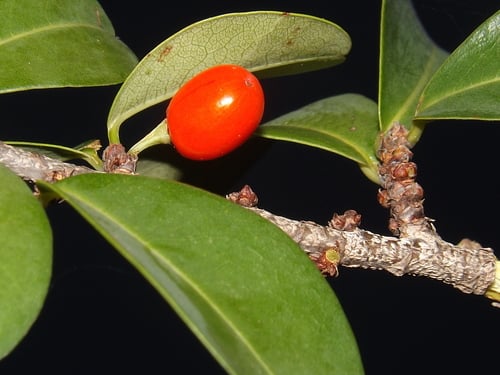
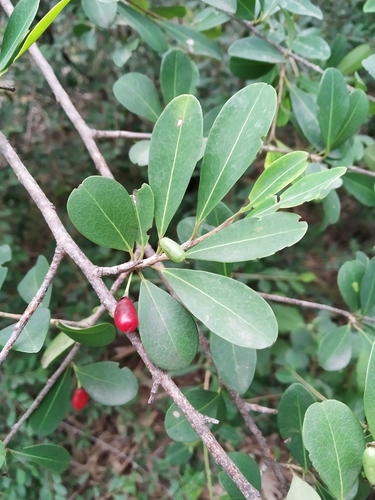
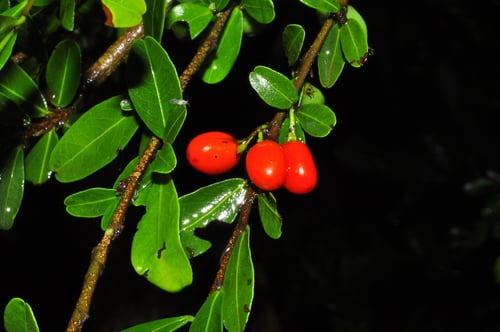
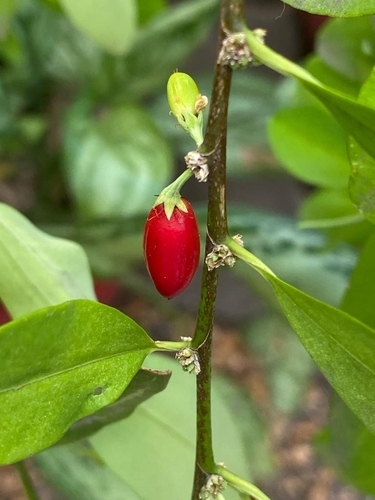
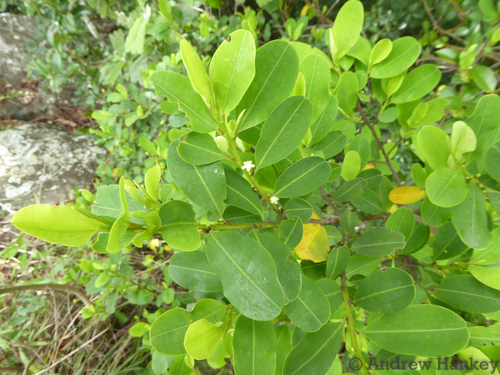
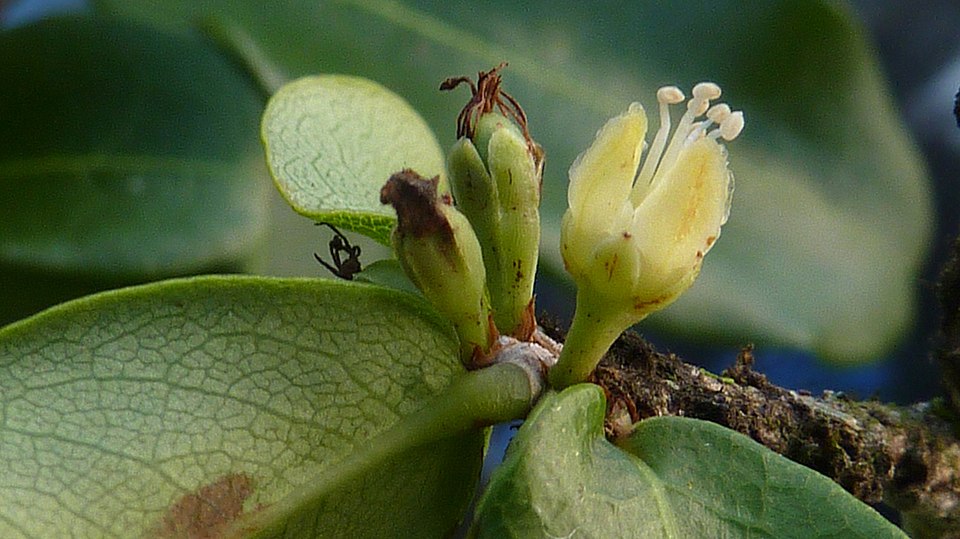
A shrub or small tree. The leaves are simple and alternate. They are narrowly oval and 1-5 cm long by 1-2 cm wide. Flowers can occur singly or in groups. They are small and whitish yellow. The fruit are red and oblong. They are 7-8 mmlong by 3 mm wide.
Edible Uses
A high content of methyl salicylate (wintergreen oil) in the leaves makes this species an excellent raw material of flavourings for soft drinks. So 'Trujillo coca' in Peru is used in the manufacture of Coca-Cola. Highly regarded for its flavour and cocaine content, it has long been used for coca-flavoured beverages.
Traditional Uses
The leaves are chewed as a stimulant. They are used in drinks.
This uses section is brief — help expand it
Medicinal Uses
As one of the oldest cultivated plants in the Americas, Erythroxylum novogranatense has been cultivated as a source of cocaine for thousands of years, but its role in the production of cocaine is relatively small. Erythroxylum novogranatense var. novogranatense represents about 20% of the coca crop grown in Colombia. Erythroxylum novogranatense var. truxillense is used as a flavouring agent of Coca Cola, which uses decocainised extracts of this variety. The cocaine produced by the process of decocanisation is sold for legal use in modern surgery for pain management. Dried leaves of Erythroxylum novogranatense var. novogranatense are used in the preparation of coca tea by the indigenous Nasa tribe of Colombia. The leaves of Erythroxylum novogranatense are also used to produce Coca flour. It is cultivated as an ornamental plant throughout tropical countries.
Known Hazards
The cocaine content in leaves of E. novogranatense var. novogranatense is 0.55-0.93%, with an average of 0.77% and in E. novogranatense var. truxillense the cocaine content is 0.42-1.02%, with a mean of 0.72%. The foliage also contains cinnamoylcocaine. The plants also contain methyl salicylate.
Distribution
A tropical plant. It grows up to 1600 m altitude in the Andes. It suits the hot moist tropics. In XTBG.
Where It Grows
Andes, Asia, China, Colombia, Indonesia, SE Asia, South America*, Sri Lanka, Taiwan,
Cultivation
Plants can be grown from seeds and from cuttings.
Other Uses
Formerly grown as a hedge plant in Malesia, at elevations up to 750 metres, for its bushiness and the contrast of its light green foliage with the bright red berries, but its cultivation is now prohibited.
Notes
There are about 250 Erythroxylum species. It contains tropane alkaloids. It is a narcotic.
Synonyms
Also Known As
Koka kolumbia
References (9)
- Bot. Jahrb. Syst. 20(Beibl. 49):35. 1895
- Brouk, B., 1975, Plants Consumed by Man. Academic Press, London. p 376
- Burkill, I.H., 1966, A Dictionary of the Economic Products of the Malay Peninsula. Ministry of Agriculture and Cooperatives, Kuala Lumpur, Malaysia. Vol 1 (A-H) p 966
- Cobley, L.S. (rev. Steele, W.M.) 2nd Ed., 1976, An Introduction to the Botany of Tropical Crops. Longmans. p 226
- Heywood, V.H., Brummitt, R.K., Culham, A., and Seberg, O. 2007, Flowering Plant Families of the World. Royal Botanical Gardens, Kew. p 143
Show all 9 references Hide references
- Kermath, B. M., et al, 2014, Food Plants in the Americas: A survey of the domesticated, cultivated and wild plants used for Human food in North, Central and South America and the Caribbean. On line draft. p 347
- Purseglove, J.W., 1968, Tropical Crops Dicotyledons, Longmans. p 633
- Sukarya, D. G., (Ed.) 2013, 3,500 Plant Species of the Botanic Gardens of Indonesia. LIPI p 625
- Williams, C.N., Chew, W.Y., and Rajartnam, J.A., 1989, Tree and Field Crops of the Wetter Regions of the Tropics. Longman, p 79