Larix occidentalis
Nutt.
Western Larch
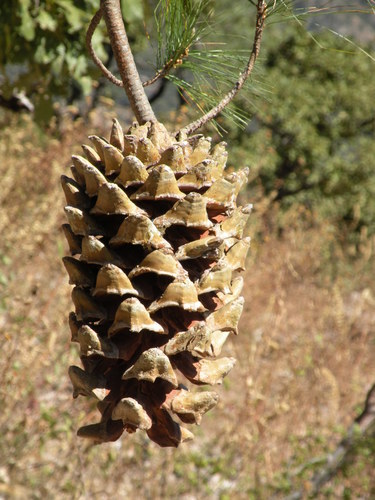
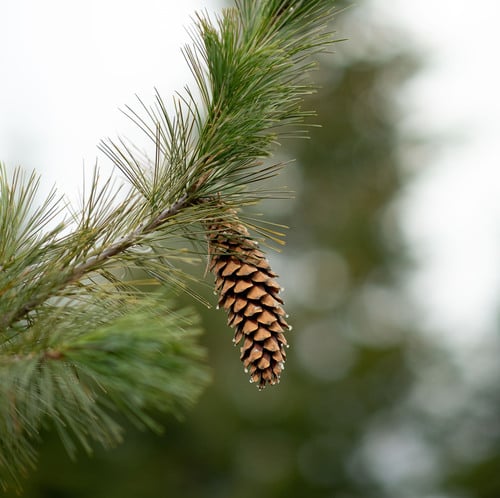
iNaturalist· cc-by-nc
(c) Nicholas Sly, some rights reserved (CC BY-NC), uploaded by Nicholas Sly
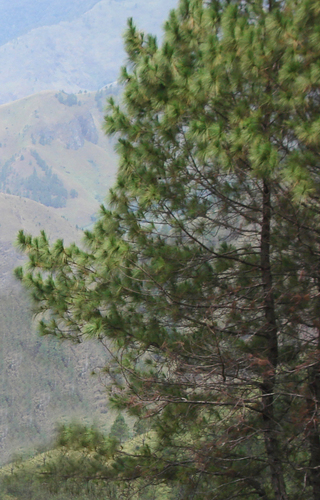
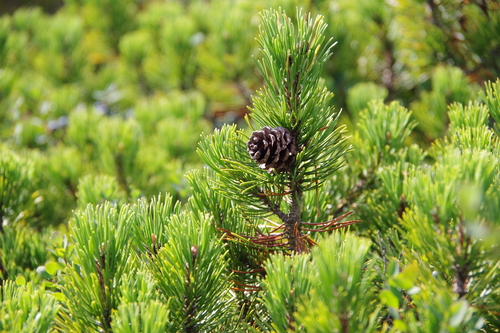
iNaturalist· cc-by-nc-nd
(c) Max Allen, some rights reserved (CC BY-NC-ND), uploaded by Max Allen
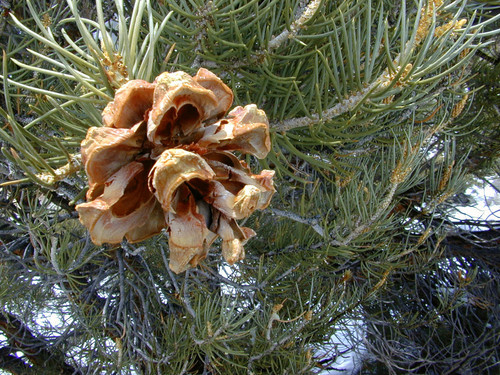
iNaturalist· cc-by-nc
(c) Patricia Teague, some rights reserved (CC BY-NC), uploaded by Patricia Teague
Description
Larix occidentalis is a deciduous Tree growing to 45 m (147ft 8in) at a fast rate. See above for USDA hardiness. It is hardy to UK zone 4 and is not frost tender. The seeds ripen in October. The species is monoecious (individual flowers are either male or female, but both sexes can be found on the same plant) and is pollinated by Wind. Suitable for: light (sandy) and medium (loamy) soils and can grow in nutritionally poor soil. Suitable pH: mildly acid, neutral and basic (mildly alkaline) soils. It cannot grow in the shade. It prefers moist soil. The plant can tolerates strong winds but not maritime exposure.
Edible Uses
A gum, or resin, is produced under the bark. It is a gum arabic substitute, very soluble in water, and is used as a thickening agent, stabilizer, emulsifier and for chewing. It exudes from the trunk and branches but commercially it is usually obtained by extraction from wood chips as a by-product of the lumber industry. The sap can be harvested in the spring and, when concentrated by boiling off much of the water, is made into a sweet syrup. A source of an edible manna. No further details are given, but this report probably refers to the gum mentioned above.
Medicinal Uses
Antirheumatic Antiseptic Blood purifier Poultice Salve. The gum obtained from under the bark is used as a dressing in the treatment of cuts and bruises. An infusion of the bark has been used in the treatment of coughs, colds and tuberculosis. A decoction has been used as a wash on wounds and sores. The sap has been chewed in the treatment of a sore throat. The leaves and stems are antirheumatic, antiseptic, appetizer and blood purifier. A decoction has been used both internally and externally in the treatment of cancer, and is said to help an emaciated patient get better and gain weight. A decoction of the stem tips has been taken internally and also used as a soak on arthritic limbs and as a wash for cuts and sores.
Distribution
Western N. America - British Columbia to Montana, south to Washington and Oregon.
Where It Grows
NORTHERN AMERICA: Canada (British Columbia (southeast)), United States (Idaho, Montana (northwest), Oregon, Washington)
Cultivation
Prefers an open airy position in a light or gravelly well-drained soil. Plants are intolerant of badly drained soils, but they tolerate acid and infertile soils. Succeeds on rocky hill or mountain sides and slopes. A north or east aspect is more suitable than west or south. This is a very cold-hardy species when fully dormant, but on the whole the trees are a disappointment in Britain. They are often excited into premature growth in this country by periods of mild weather in the winter and are then subject to damage by late frosts and cold winds. They also often suffer from canker and die-back. Good trees, however, can be very good and fast growing, often putting on new annual growth of 1 metre when young. Older trees develop a very thick bark, which protects them from forest fires. Hybridizes freely with other members of this genus. Open ground plants, 1 year x 1 year are the best for planting out, do not use container grown plants with spiralled roots. Plants transplant well, even when coming into growth in the spring. Plants in this genus are notably resistant to honey fungus.
Propagation
Seed - sow late winter in pots in a cold frame. One months cold stratification helps germination. It is best to give the seedlings light shade for the first year. As soon as they are large enough to handle, prick out the seedlings into individual pots. Although only a few centimetres tall, they can be planted out into their permanent positions in the summer providing you give them an effective weed-excluding mulch and preferably some winter protection for their first year. Otherwise grow them on in the cold frame for their first winter and plant them out in early summer of the following year. The seed remains viable for 3 years If you are growing larger quantities of plants, you can sow the seed in an outdoor seedbed in late winter. Grow on the seedlings in the seedbed for a couple of years until they are ready to go into their permanent positions then plant them out during the winter.
Other Uses
Cosmetic Fuel Gum Paint Tannin WoodA red powder can be made by heating the resin and then grinding it. This powder was mixed with fat and used as a cosmetic, or mixed with balsam poplar buds (Populus spp.) and used as a paint. The bark contains tannin. Wood - hard, strong, very heavy, very durable in the soil. The tree produces long straight knotless trunks and is a very important commercial crop in its native range. It is used for posts, cabinet making, construction, plywood etc. A very good fuel.