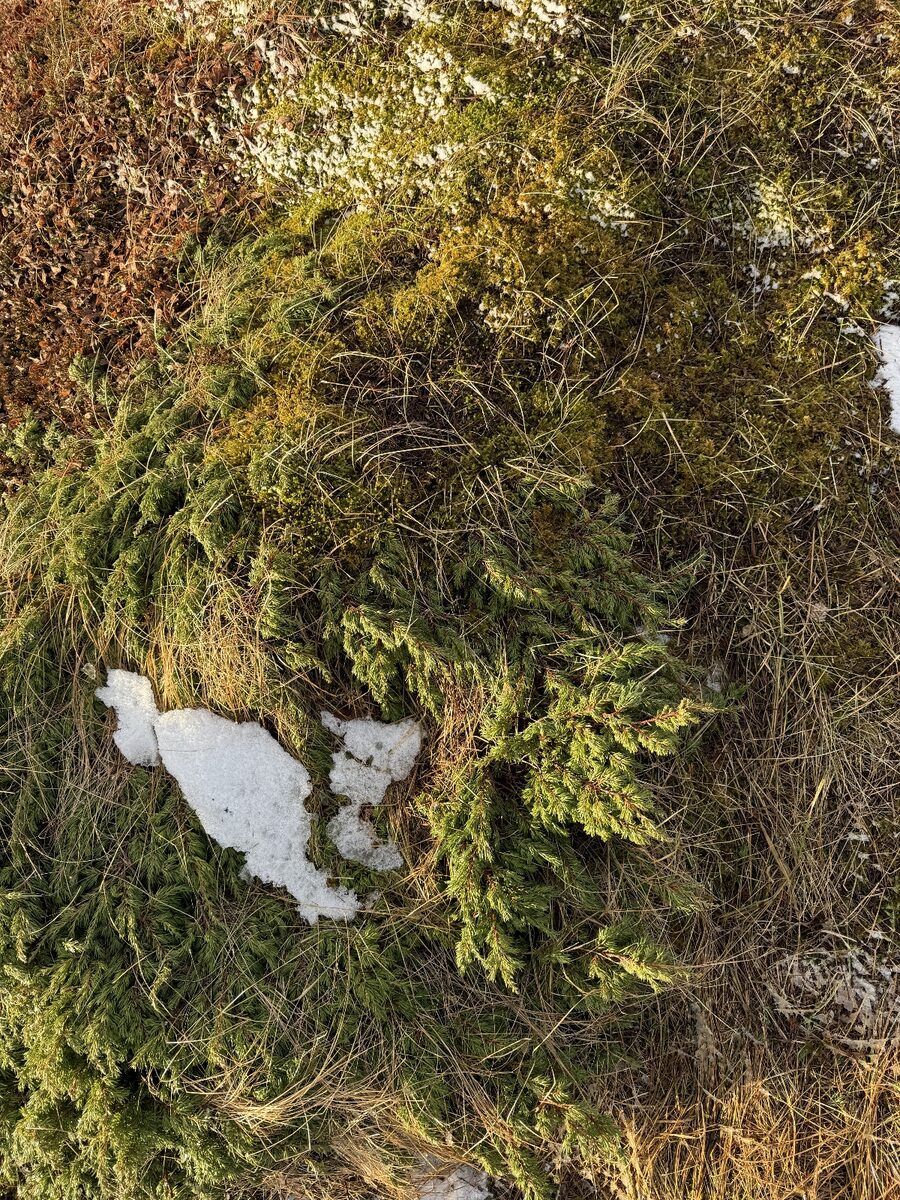
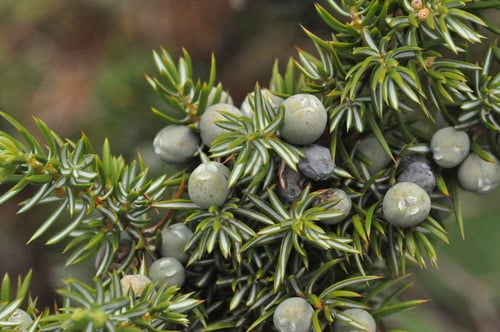
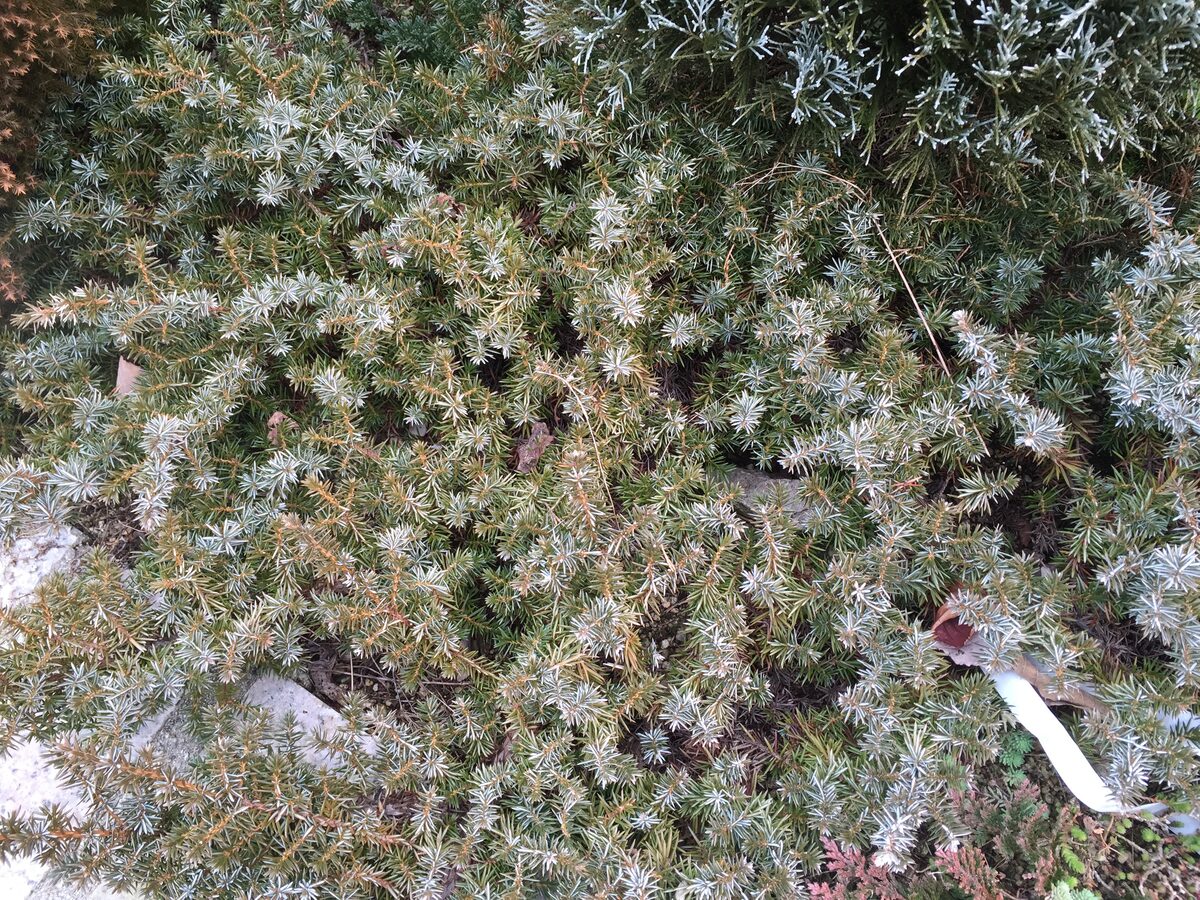
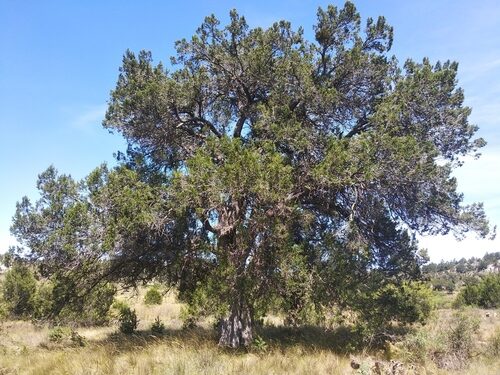
Juniperus tetragona
Schltdl.
gbif· cc-by-nc
Jerry Hamby
gbif· cc-by-nc
Jerry Hamby
gbif· cc-by-nc
Zac Cota
Description
Juniperus tetragona is an evergreen Tree. See above for USDA hardiness. It is hardy to UK zone 8. It is in leaf all year, and the seeds ripen in October. The species is dioecious (individual flowers are either male or female, but only one sex is to be found on any one plant so both male and female plants must be grown if seed is required). and is pollinated by Wind. The plant is not self-fertile. Suitable for: light (sandy), medium (loamy) and heavy (clay) soils and prefers well-drained soil. Suitable pH: mildly acid, neutral and basic (mildly alkaline) soils and can grow in very alkaline soils. It cannot grow in the shade. It prefers dry or moist soil and can tolerate drought.
Edible Uses
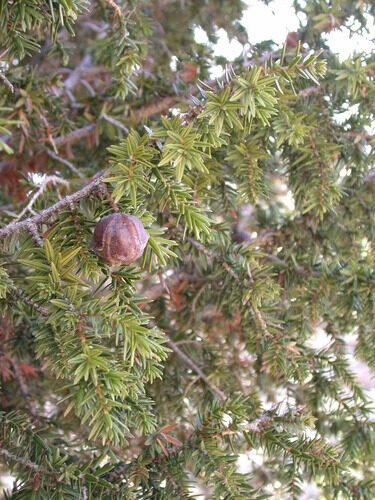
Fruit - raw or cooked. A sweet resinous flesh. The fruits are about 12mm in diameter.
Distribution
South-western N. America - Texas to Mexico.
Where It Grows
NORTHERN AMERICA: Mexico (Guerrero, Hidalgo, Jalisco, México, Michoacán de Ocampo, Puebla, Tlaxcala, Veracruz de Ignacio de la Llave) SOUTHERN AMERICA: Guatemala (Huehuetenango)
Cultivation
Succeeds in most soils if they are well drained, preferring a neutral or slightly alkaline soil and succeeding on chalk. A drought tolerant plant once established, succeeding in hot dry positions. This species is not very hardy in Britain. Dioecious. Male and female plants must be grown if seed is required.
Propagation
The seed requires a period of cold stratification. The seed has a hard seedcoat and can be very slow to germinate, requiring a cold period followed by a warm period and then another cold spell, each of 2 - 3 months duration. Soaking the seed for 3 - 6 seconds in boiling water may speed up the germination process. The seed is best sown as soon as it is ripe in a cold frame. Some might germinate in the following spring, though most will take another year. Another possibility is to harvest the seed 'green' (when the embryo has fully formed but before the seedcoat has hardened). The seedlings can be potted up into individual pots when they are large enough to handle. Grow on in pots until large enough, then plant out in early summer. When stored dry, the seed can remain viable for several years. Cuttings of mature wood, 5 - 10cm with a heel, September/October in a cold frame. Plant out in the following autumn. Layering in September/October. Takes 12 months.
Other Uses
Wood. Wood - brown, hard. Used for construction etc.