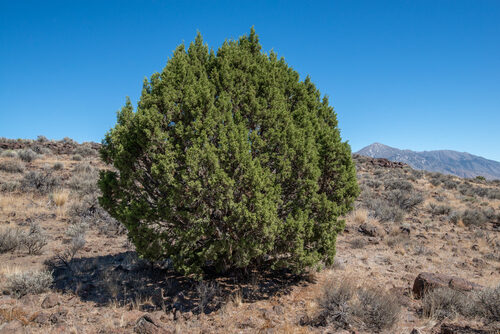
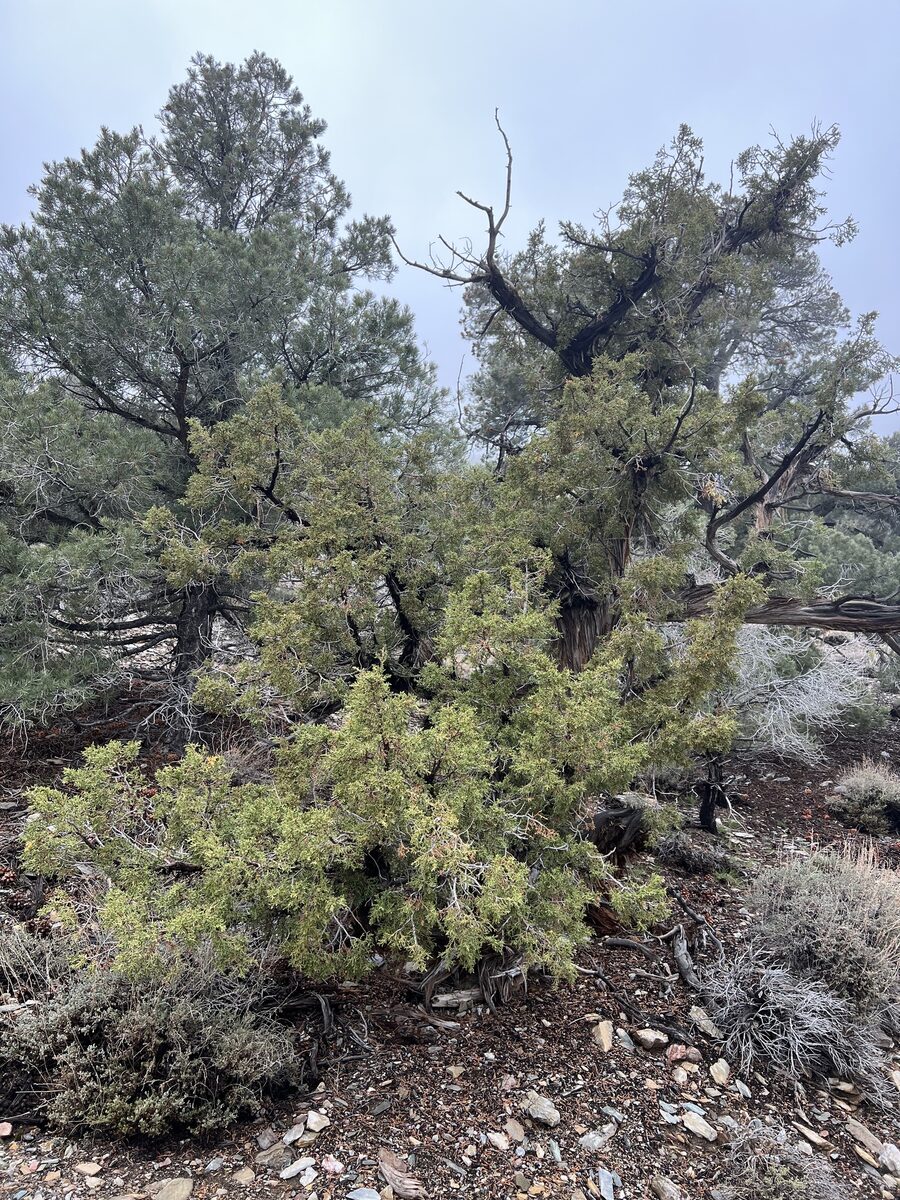
Juniperus sabina
L.
iNaturalist· cc-by-nc
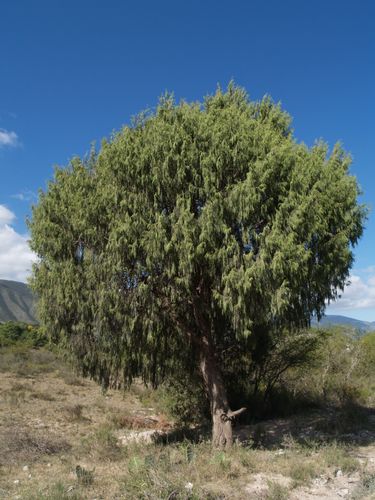
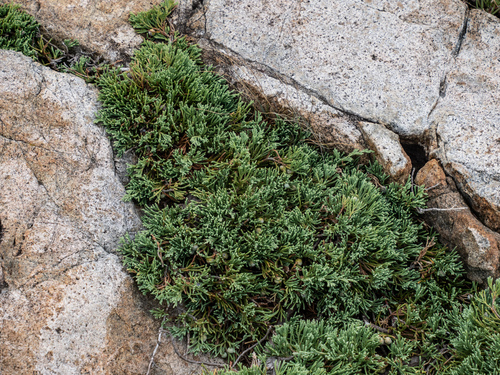
(c) Dmitry Kuzmenckin, some rights reserved (CC BY-NC), uploaded by Dmitry Kuzmenckin
iNaturalist· cc-by-nc
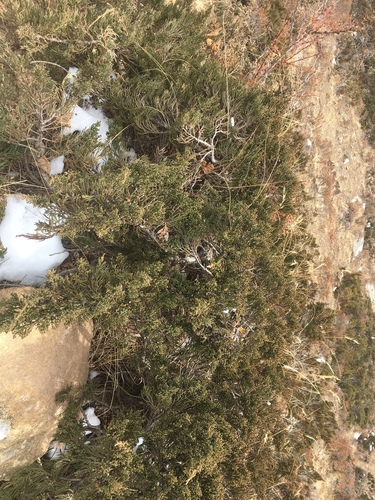
(c) Sergey Mayorov, some rights reserved (CC BY-NC)
iNaturalist· cc-by-nc
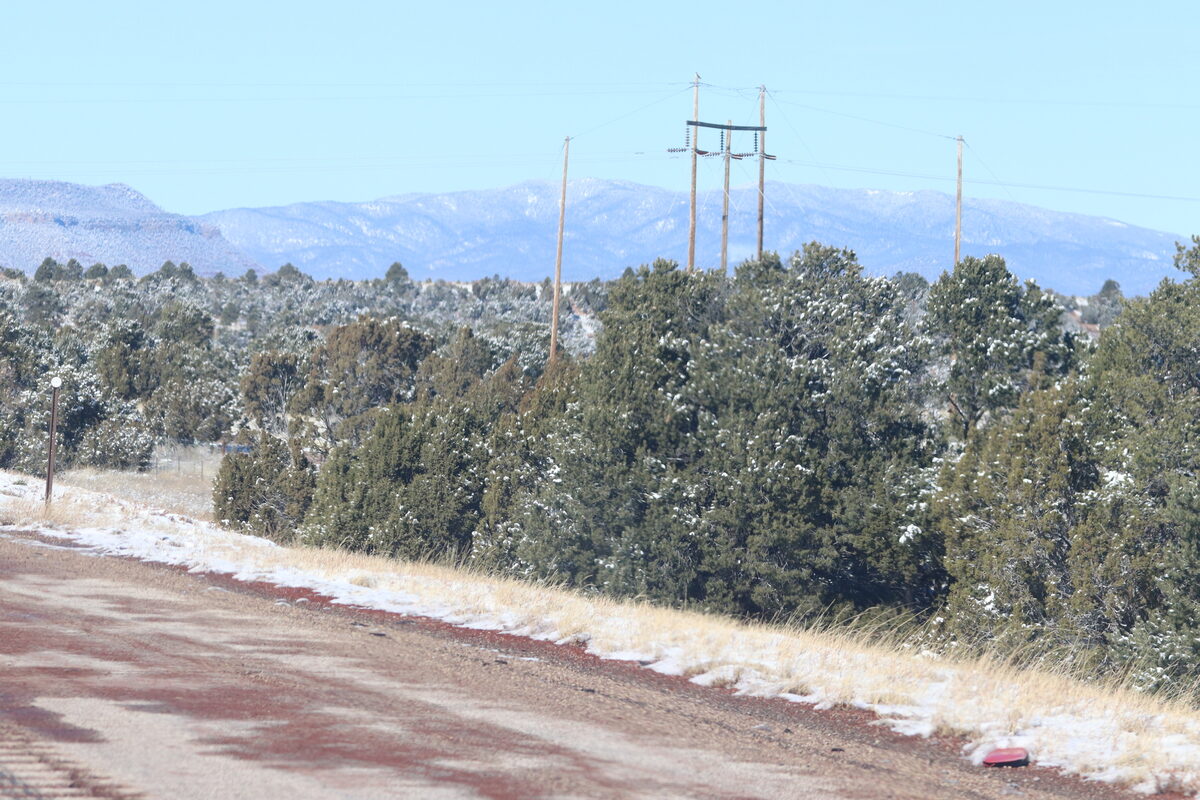
(c) Sergey Mayorov, some rights reserved (CC BY-NC)
Summary
Source: WikipediaJuniperus sabina, the savin juniper or savin, is a species of juniper native to the mountains of central and southern Europe and western and central Asia, from Spain to eastern Siberia, typically growing at altitudes of 1,000–3,300 metres (3,300–10,800 feet).
Description
An evergreen shrub growing 4 m tall and wide at a slow rate, hardy to UK zone 3. Year-round foliage flowering in April with seeds ripening in October. Dioecious and wind-pollinated, not self-fertile. Grows in light sandy, medium loamy, and heavy clay soils preferring good drainage. Tolerates mildly acid to basic soils including very alkaline conditions. Requires full sun and handles dry to moist soil with drought tolerance. Withstands maritime exposure.
Edible Uses
No edible uses are known for this plant.
Medicinal Uses
The young shoots are abortifacient, diuretic, emetic, powerfully emmenagogue, and irritant. The plant is rarely used internally, but applied externally as an ointment or dressing it promotes discharge from blisters. Powdered leaves are used to treat warts. Shoots are harvested in spring and dried for later use. Use with great caution and never during pregnancy.
Known Hazards
The whole plant is poisonous and can produce abortions.
Distribution
It is a tropical plant. In Tasmanian Botanical Gardens. Arboretum Tasmania.
Where It Grows
Australia, Caucasus, Europe, Georgia, Turkey, Türkiye, Tasmania,
Cultivation
Succeeds in most soils if they are well drained, preferring a neutral or slightly alkaline soil. Prefers a limestone soil. Succeeds in poor soils and in light shade. Established plants are drought tolerant, succeeding in hot dry positions. Tolerates maritime exposure. A very ornamental plant, there are many named varieties. All parts of the plant have a powerful pungent smell. Plants can be dioecious or monoecious. Male and female plants must be grown if fruit and seed are required. The plant is sometimes attacked by a rust, this is a fungus with an aecidial stage on the leaves of pear trees. Plants are resistant to honey fungus. In garden design, as well as the above-ground architecture of a plant, root structure considerations help in choosing plants that work together for their optimal soil requirements including nutrients and water.
Propagation
Juniper seed requires cold stratification and has a hard seedcoat that makes germination slow, typically needing a cold period, then a warm period, then another cold spell — each lasting 2–3 months. Soaking seed in boiling water for 3–6 seconds may speed germination. Sow seed as soon as it is ripe in a cold frame; some may germinate the following spring, but most take another year. Seed can also be harvested green, once the embryo has fully formed but before the seedcoat hardens. Prick seedlings into individual pots when large enough, grow on in pots, then plant out in early summer. Stored dry, seed remains viable for several years. Take cuttings of mature wood, 5–10cm with a heel, in September or October in a cold frame, and plant out the following autumn. Layering in September or October takes about 12 months.
Other Uses
Leaves act as an insect repellent, and a decoction of them is used against lice. An essential oil from the leaves and shoots has strong diuretic properties and is also used in perfumery, with yields of around 4%; this oil doubles as an insecticide. The plant makes a good dense ground cover, though it spreads slowly. The species type eventually forms a taller ground cover, while many named forms grow lower. The subspecies J. sabina tamariscifolia is particularly recommended for ground cover, with plants spaced about 1.2 metres apart. The taller forms make a good hedge.
Synonyms
Also Known As
Tchqhero
References (2)
- Bussman, R. W., et al, 2016, A comparative ethnobotany of Khevsureti, Samtskhe-Javakheti, Tusheti, Svaneti, and Racha-Lechkhumi, Republic of Georgia (Sakartvelo), Caucasus. Journal of Ethnobiology and Ethnomedicine (2016) 12:4
- Bussman, R. W., et al, 2021, Unity in diversity—food plants and fungi of Sakartvelo (Republic of Georgia), Caucasus. Journal of Ethnobiology and Ethnomedicine (2021) 17:72 p 8