Hirschfeldia incana - (L.)Lagr.
(L.)Lagr.-Foss.
Greek Mustard, Shortpod mustard
gbif· cc-by-nc
greyone
gbif· cc-by-nc
neoshrimp
gbif· cc-by-nc
Chris Bell
Description
Hirschfeldia incana is a ANNUAL growing to 1 m (3ft 3in). It is in flower from June to September. The species is hermaphrodite (has both male and female organs) and is pollinated by Bees. Suitable for: light (sandy) and medium (loamy) soils and prefers well-drained soil. Suitable pH: mildly acid, neutral and basic (mildly alkaline) soils. It can grow in semi-shade (light woodland) or no shade. It prefers dry or moist soil.
Edible Uses
The young plant is eaten with oil and lemon juice in parts of Greece. The leaves of young plants are eaten raw. Seeds - raw or cooked. They can be ground into powder then mixed with water and eaten.
Distribution
S. Europe - Greece to Turkey. Naturalized in Britain.
Where It Grows
TEMPERATE ASIA: Saudi Arabia, Yemen, Cyprus, Iran, Iraq, Israel, Jordan, Lebanon, Syria, Turkey, Armenia, Azerbaijan, Russian Federation (Dagestan) EUROPE: Ukraine (Krym), Albania, Greece (incl. Crete), Croatia (Islands), Italy (incl. Sardinia, Sicily), Spain (incl. Baleares), France (incl. Corsica), Portugal AFRICA: Algeria (north), Libya (north), Morocco, Tunisia
Cultivation
We have no details on this species but it is likely to require a light well-drained soil and a sunny position.
Propagation
Seed - sow spring in situ.
Synonyms
More from Brassicaceae
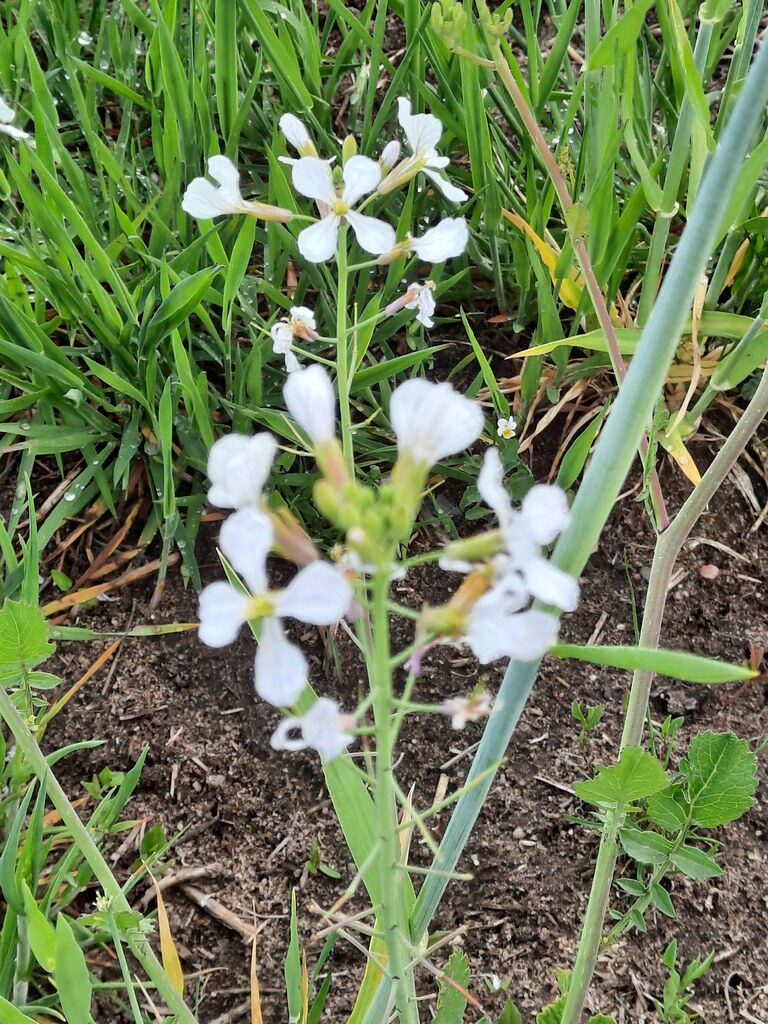
Raphanus sativus oleiformis
Fodder Radish
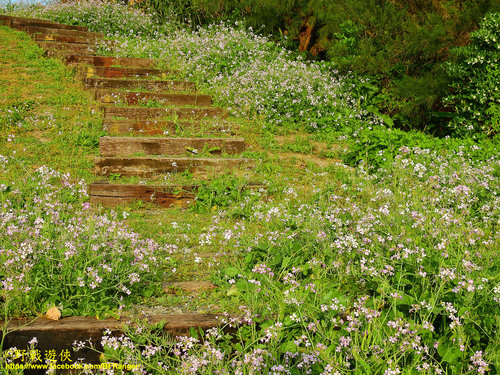
Raphanus sativus var. caudatus
Rat-tail radish, Potting radish
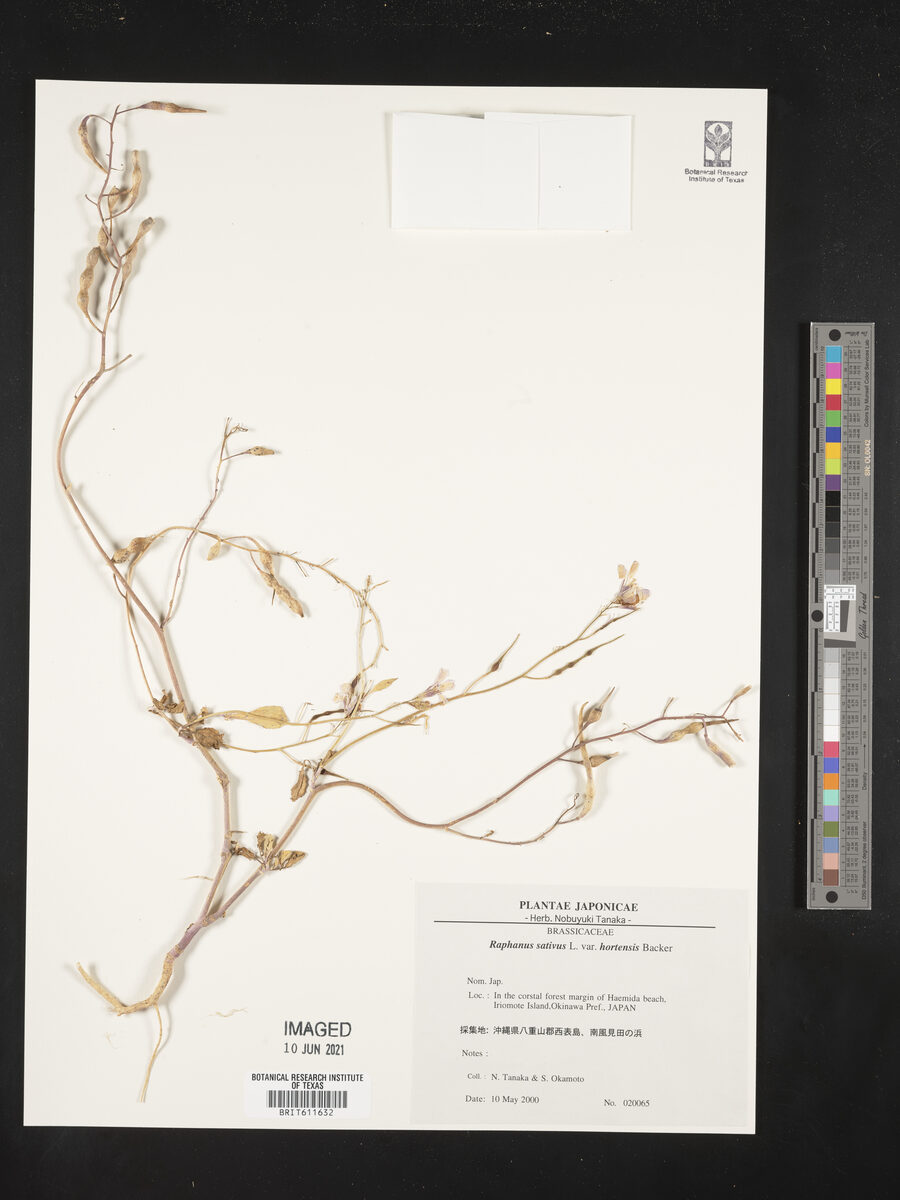
Raphanus sativus var. hortensis
Japanese winter radishes
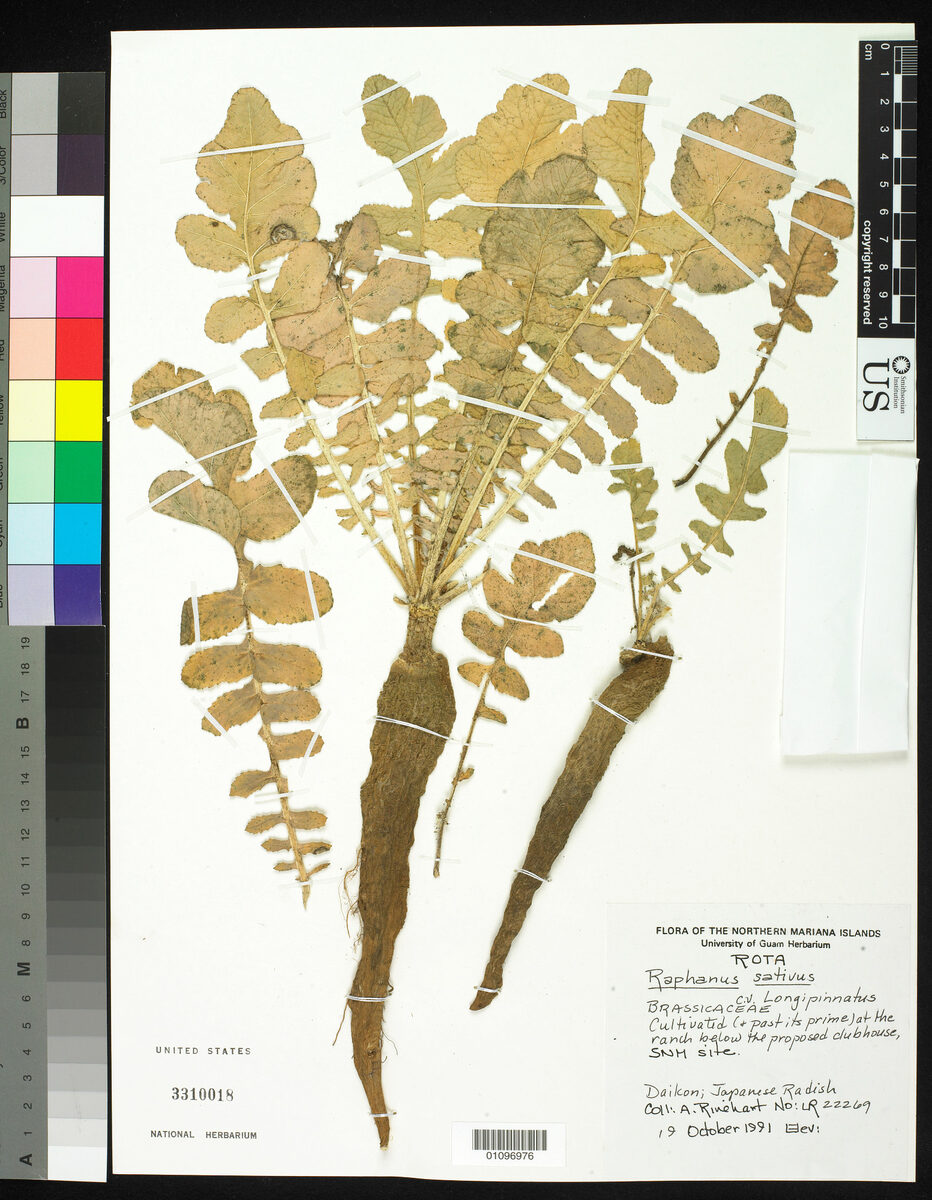
Raphanus sativus var. longipinnatus
Chinese radish, Daikon, Oriental radish
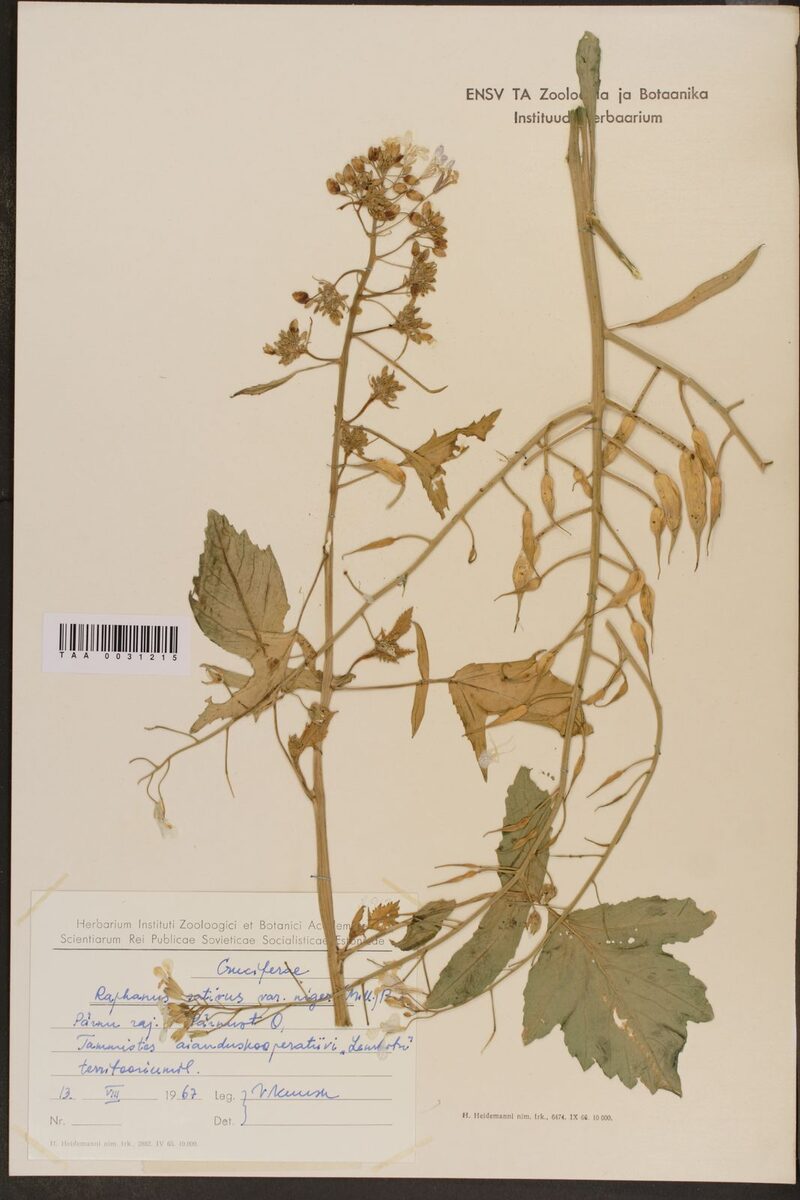
Raphanus sativus var. niger
Oriental radish, Black Spanish winter radish
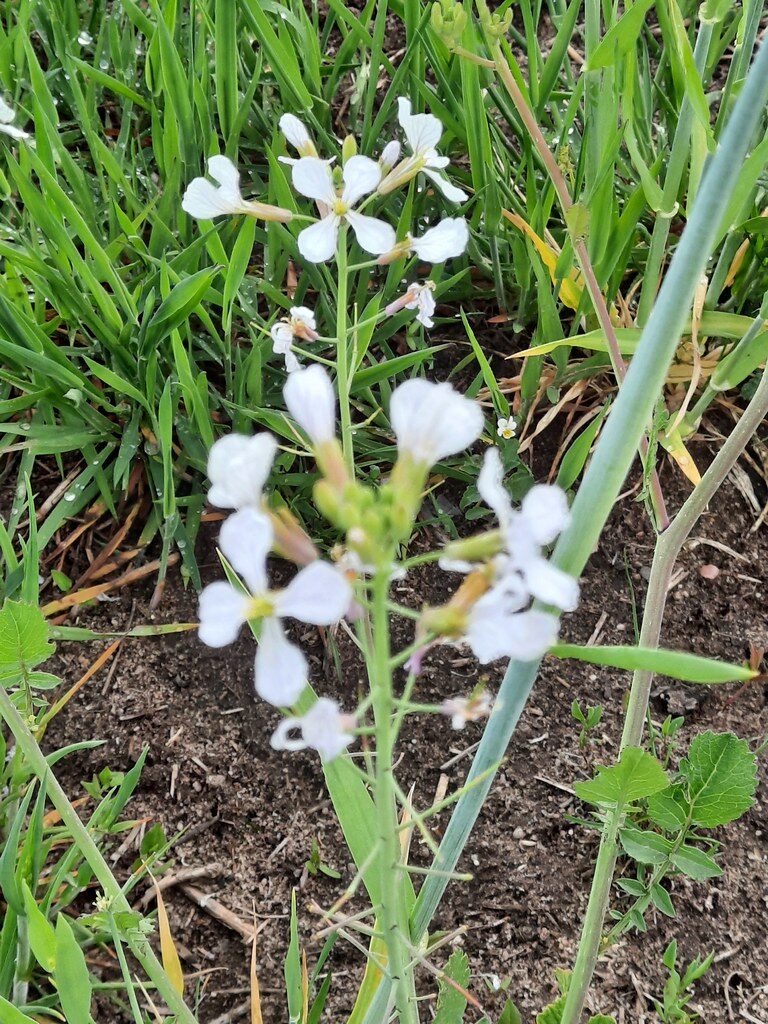
Raphanus sativus var. oleiformis
Fodder radish, Oil radish, Oilseed radish