Gmelina arborea
Roxb.
Gmelina, Snapdragon, White Teak
iNaturalist· cc-by-nc
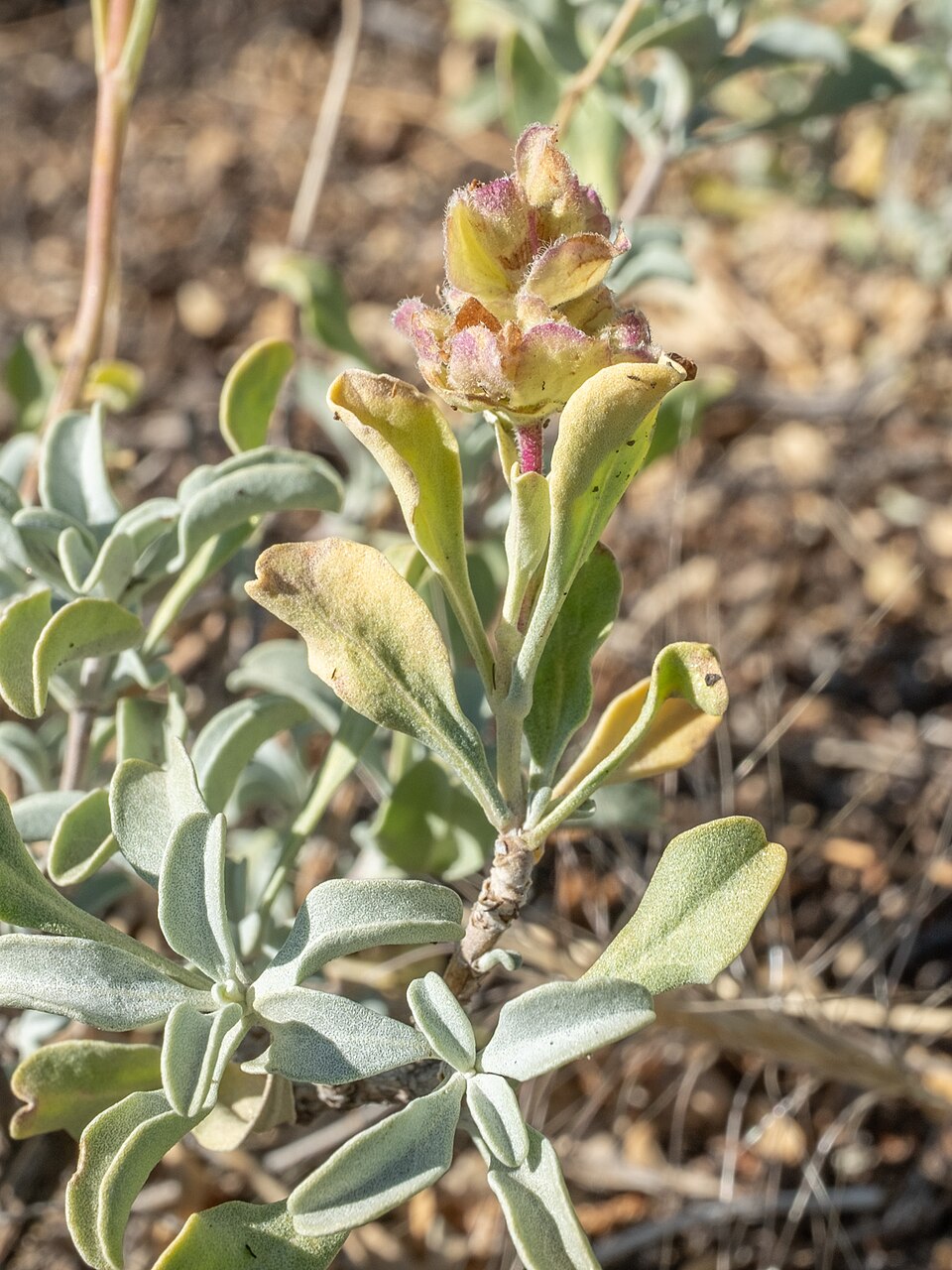
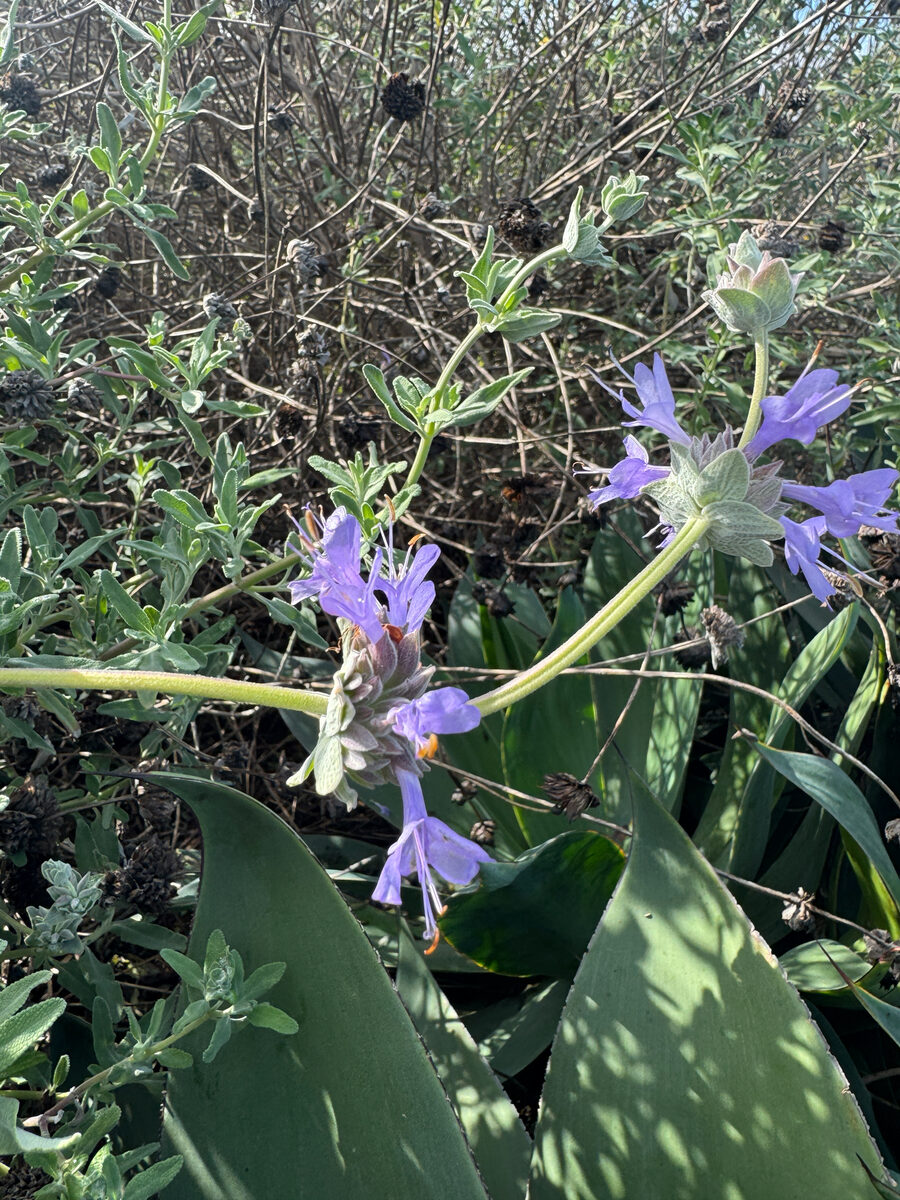
(c) Alfonso Torres Duarte, some rights reserved (CC BY-NC), uploaded by Alfonso Torres Duarte
iNaturalist· cc-by-nc
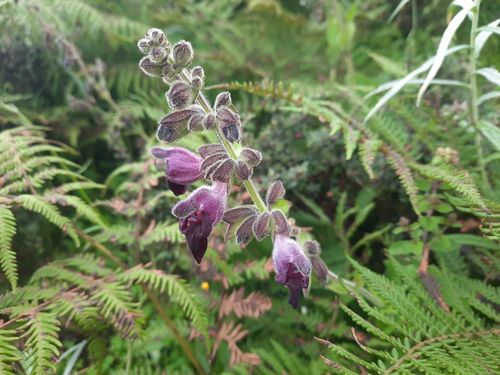
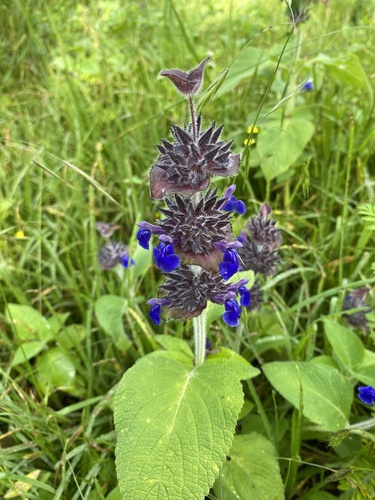
(c) Bhalchandra Pujari, some rights reserved (CC BY-NC), uploaded by Bhalchandra Pujari
iNaturalist· cc-by-nc
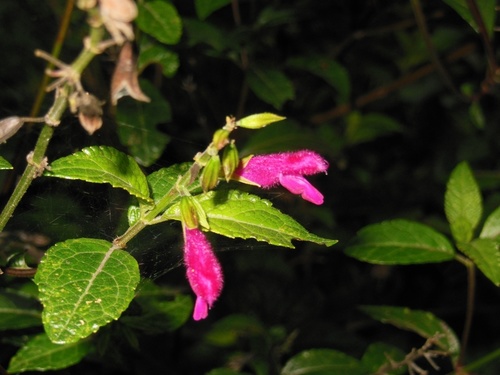
(c) Salvador Luna Vargas, some rights reserved (CC BY-NC), uploaded by Salvador Luna Vargas
Description
Gmelina arborea is a deciduous Tree growing to 25 m (82ft) by 22 m (72ft) at a fast rate. See above for USDA hardiness. It is hardy to UK zone 10 and is frost tender. The flowers are pollinated by Bees, Insects. The plant is not self-fertile. Suitable for: light (sandy), medium (loamy) and heavy (clay) soils, prefers well-drained soil and can grow in nutritionally poor soil. Suitable pH: mildly acid, neutral and basic (mildly alkaline) soils and can grow in very acid, very alkaline and saline soils. It can grow in semi-shade (light woodland) or no shade. It prefers moist soil and can tolerate drought. The plant can tolerates strong winds but not maritime exposure.
Edible Uses
The fruit is edible. The yellow fruit is an obovoid drupe, 18 - 25mm long with an aromatic, succulent flesh. The flowers are mixed with rice to make a delicious cake-like festive dish that is eaten on the traditional New Year.
Medicinal Uses
Antibilious Antidote Blood purifier Febrifuge Laxative Leprosy Stomachic Tonic. The bark, leaves and roots contain traces of alkaloids and are used medicinally in the plants native range. For example, both fruit and bark have medicinal properties against bilious fever. The roots have great medicinal value as a blood purifier, laxative, stomachic, tonic and as an antidote to poisons. The leaf sap is used as a demulcent to treat gonorrhoea and cough, and is also applied to wounds and ulcers. The flowers have been used to treat leprosy and blood diseases.
Distribution
E. Asia - southern China, Indian subcontinent, Myanmar, Thailand, Laos, Vietnam, Malaysia, Indonesia, Philippines
Where It Grows
TEMPERATE ASIA: China (Yunnan Sheng (south)) TROPICAL ASIA: Bangladesh, Bhutan, India (Sikkim, Andhra Pradesh, Assam, Bihar, Gujarat, Haryana, Kerala, Madhya Pradesh, Maharashtra, Manipur, Odisha, Punjab, Rajasthan, Tamil Nadu, Tripura, Uttar Pradesh, West Bengal, Karnataka), Sri Lanka, Nepal, Pakistan, India (Andaman and Nicobar Islands (Andaman Islands)), Laos, Myanmar, Thailand, Vietnam, Indonesia, Malaysia (Sabah, Selangor), Philippines
Cultivation
The plant can succeed in very dry to wet areas in the tropics and subtropics, where it is found at elevations up to 2,100 metres. It grows best in areas where annual daytime temperatures are within the range 22 - 34°c, but can tolerate 16 - 46°c. It can be killed by temperatures of 1°c or lower. It prefers a mean annual rainfall in the range 1,500 - 2,500mm, but tolerates 750 - 5,000mm. Requires a sunny position, even when young. Grows on many soils from acidic laterites to calcareous loams, doing poorly on thin or poor soils with hardpan, dry sands, or heavily leached acidic soils, well-drained basic alluviums. It does not thrive where the drainage is poor, while on dry, sandy or otherwise poor soil it remains stunted and is apt to assume little more than a shrubby form because of repeated dying back through drought. Established plants are drought tolerant. Prefers a pH in the range 6 to 8. Prefers a pH in the range 5 - 6, tolerating 4 - 7.5. A very fast growing tree, it can reach 3 metres in height within its first year from seed and 20 metres within 4 - 5 years. The first flowers are borne 3 - 4 years after planting. Annual fuel wood production potential is 18 - 35 cubic metres per hectare. The tree has a lifespan of about 40 years. Trees coppice well with vigorous shoot growth. Plants can resprout after forest fires. Seed years recorded from various locations show that the tree seeds well every year. There are 2 peak periods for floral bud burst, which may vary from year to year, and with the local climatic conditions. In nature, self-pollination is discouraged by the floral morphology. However, in controlled self-pollination, flowers develop into fruits. Mature fruits are produced 1 week after the flowering peak and fruiting may be spread over a 2 month period. Although able to compete with weeds more successfully than many other species, it responds positively to weeding and also benefits from irrigation. Flowers produce abundant nectar, which produces high-quality honey. Flowering Time: Late Winter/Early Spring Mid Spring. Bloom Color: Gold (Yellow-Orange).
Propagation
Seed - pre-treatment is not necessary, though for quick germination, the seeds should be soaked for 48 hours in warm water. The seeds germinate within 20 - 50 days under ideal conditions; the average rate for a healthy seed lot is 60%. Trees can be raised easily by transplanting, which is carried out in the rainy season, or by direct sowing in lines; the latter has proved to be more successful in some instances. Viable seeds should be collected from standing trees of superior phenotype. Normally, seed is collected from the ground, depulped and the stones are dried. Seed storage behaviour is orthodox; viability can be maintained for several years in hermetic storage at 3°c with 7-10% mc. Large cuttings planted during the rainy season do well.
Other Uses
Charcoal Dye Fuel Furniture Hedge Paper Pioneer Shelterbelt Wood. Large flowering tree. Public open space. Specimen, Xerophytic. Agroforestry Uses: A highly light-demanding species, it is a pioneer plant that regenerates naturally only in the open and on the edge of forests. It is an ideal choice for large-scale reforestation programmes. It is intercropped with crops like maize and cassava, which has been found beneficial in increasing the simultaneous production of wood and food. When intercropped with maize and cassava, it performs better under closely stocked stands of cassava, yams and maize. Cassava, however, suppresses re-growth of stumped trees and should, therefore, be planted 3 months later. Gmelina forms an integral component of a taungya system where it is intercropped with peanut, cashew nut, tobacco, maize and beans. Some limitations are that it casts heavy shade, and nothing will grow under a dense 2 x 2 metres stand; it forms a leaf carpet beneath trees, creating a mild fire hazard in times of prolonged drought. It is used in enrichment planting on cocoa farms where its fast growing nature will quickly fill in gaps in the canopy. Cuttings and seedlings can be planted as shade for young and old cocoa trees providing protection whilst also suppressing invasive grasses. The tree is often grown as a windbreak and as a hedge. Other Uses: Both the wood ash and the fruit yield a very persistent yellow dye. Although they do not contain saponins, the bruised leaves give a strong, frothing liquid. When first cut, the heartwood is yellowish to reddish-white, turning light russet or yellowish-brown; it is indistinctly demarcated from the 5 - 7cm wide band of whitish sapwood. The grain is straight to interlocked; the texture medium to coarse; the wood somewhat oily to the touch; there are knots of variable sizes. The wood is light in weight; soft to hard; very strong, susceptible to fungi, dry wood borers and termites but said to be durable under water. The natural durability of the wood is about 15 years. It seasons well without degrading, but it is slow to dry both in the open and in a kiln; once dry it is moderately stable to stable in service. It saws easily and has only slight blunting effects on tools; it planes to a smooth finish; polishes well; when knots are present the cutting angles should be reduced; it is too soft for satisfactory turning; nailing is fairly easy, but pre-boring is recommended for screwing as the wood tends to split. Rotary peeling and slicing are easy even without pretreatment, and the veneers are easy to handle without a tendency to tear; they remain flat during drying. The gluing properties are reported as good. Where it is indigenous, the wood is regarded as a valuable general-purpose wood because of its dimensional stability. Uses include the manufacture of furniture, plywood core stock, mine props, matches and timber for light construction[299 , 303 , 307 , 848 ]. It is also used for making canoes, musical instruments, for carving images etc. The wood produces good-quality pulp. Unmixed semi-chemical pulp is suitable only for carton board or low-grade writing paper, but kraft pulp of yemane wood is suitable for higher grades of writing paper. It is also utilized for particle board. The wood burns well and makes a good fuel and charcoal. Is planted mostly for firewood, which has a calorific value of 4800 kcal/kg. For firewood, a spacing of 2 x 2 metres is recommended. Plantations have been established for tobacco curing.
Synonyms
Also Known As
Gmelina, Snapdragon, White Teak, Malay Bush-beech, Gumhar