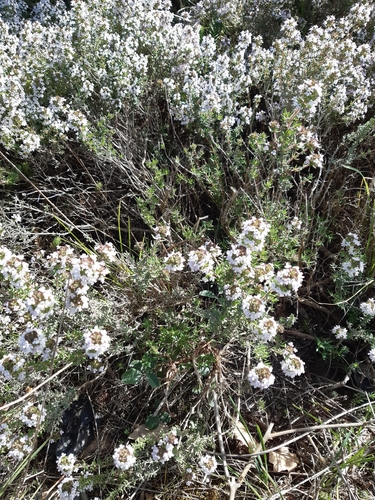
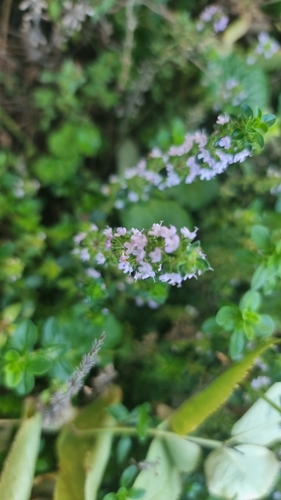
Salvia chiapensis
Fernald
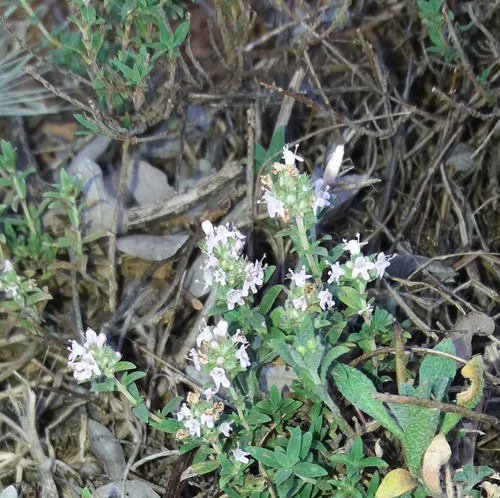
iNaturalist· cc-by
(c) Neptalí Ramírez Marcial, some rights reserved (CC BY), uploaded by Neptalí Ramírez Marcial
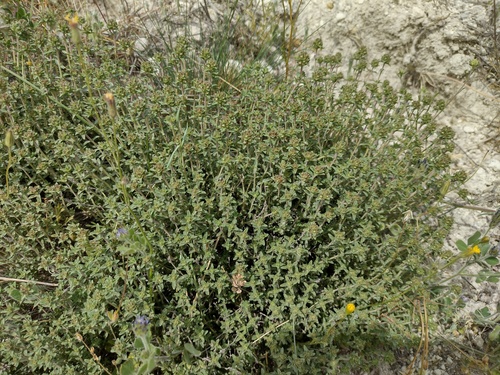
iNaturalist· cc-by-nc-sa
(c) Louisa Billeter, some rights reserved (CC BY-NC-SA)
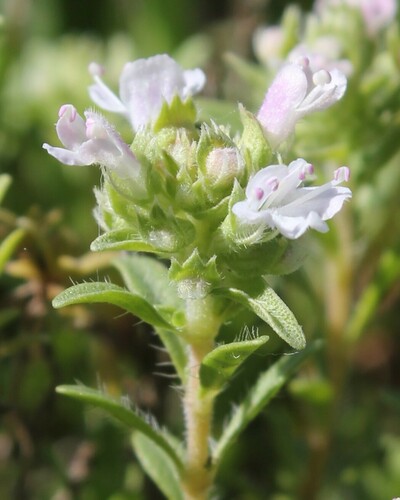
iNaturalist· cc-by-nc-nd
(c) Eric Hunt, some rights reserved (CC BY-NC-ND)
Summary
Source: WikipediaSalvia chiapensis (Chiapas sage) is a herbaceous perennial native to the province of Chiapas, Mexico, growing between 7000 and 9500 feet elevation in cloud forests. It was introduced to horticulture in the 1980s, probably as a result of a collecting trip by the University of California Botanical Garden, Berkeley. Chiapas sage grows about 1.5–2 feet (0.46–0.61 m) tall and wide, with several stems growing out of the rootstock. The 3-inch-long (76 mm) and 1.5-inch-wide (38 mm) elliptic-shaped leaves are ivy-green, glossy, and deeply veined, growing widely spaced along the stem. The flowers are bright fuchsia, with 3–6 flowers growing in whorls, widely spaced along the inflorescence. The flower is 0.75 inches (19 mm) long and covered in hairs, with a 0.5-inch-long (13 mm) pea-green calyx.
Description
A tropical herb of the mint family (Lamiaceae) native to Chiapas.
This description is brief — help expand it
Edible Uses
The seeds are used to make a drink.
Traditional Uses
The seeds are used to make a drink.
This uses section is brief — help expand it
Distribution
It is a tropical plant.
Where It Grows
Central America, Mexico,
Also Known As
Chia, Mirto
References (1)
- Kermath, B. M., et al, 2014, Food Plants in the Americas: A survey of the domesticated, cultivated and wild plants used for Human food in North, Central and South America and the Caribbean. On line draft. p 778