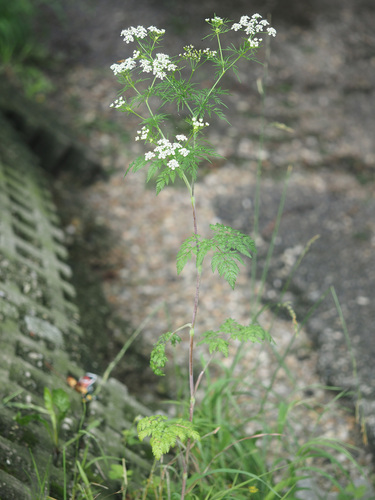
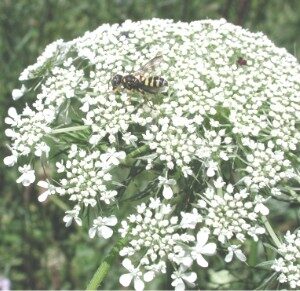
Eryngium graecum
L.
No photos yet for Eryngium graecum
Sign in to contribute a photoDescription
Eryngium graecum is a PERENNIAL. The species is hermaphrodite (has both male and female organs) and is pollinated by Bees, flies, beetles. The plant is self-fertile. Suitable for: light (sandy) and medium (loamy) soils, prefers well-drained soil and can grow in nutritionally poor soil. Suitable pH: mildly acid, neutral and basic (mildly alkaline) soils. It cannot grow in the shade. It prefers dry or moist soil.
Edible Uses
Young leaves - raw. A crisp texture.
Distribution
S. E. Europe.
Where It Grows
Coming Soon
Cultivation
We have almost no information on this species and do not know if it will be hardy in Britain. It is not in 'Flora Europaea' and so there is a very good chance that it is not a valid name. Judging by the needs of other members of this genus it probably requires a well-drained soil and a sunny position, preferring a light sandy soil but tolerating most soil types including lime and poor gravels. Plants should be put in their final position whilst small since they resent root disturbance.
Propagation
Seed - best sown as soon as it is ripe in early autumn on the surface of a well-drained compost in a cold frame. The seed can also be sown in spring. It usually germinates in 5 - 90 days at 20°c. When they are large enough to handle, prick the seedlings out into individual pots and grow them on in the greenhouse for their first winter. Plant them out into their permanent positions in late spring or early summer, after the last expected frosts. Division in early spring or autumn. Take care since the plant resents root disturbance. Root cuttings in autumn or winter.