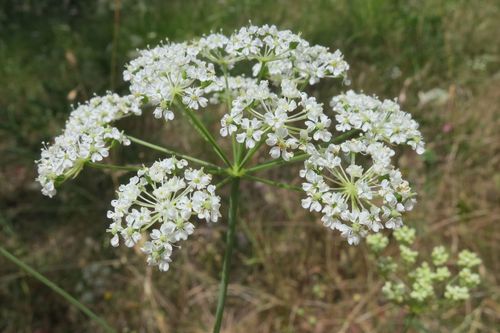
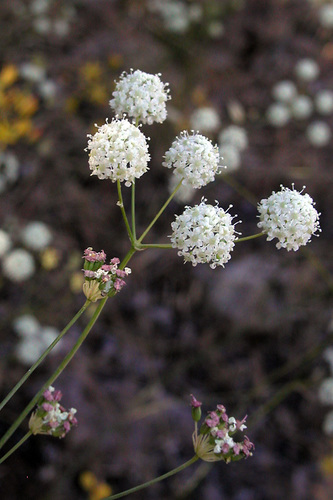
Chaerophyllum bulbosum subsp. prescotii
(DC.) Nyman
Siberian chervil-turnip, Prescott chervil
iNaturalist· cc-by-nc
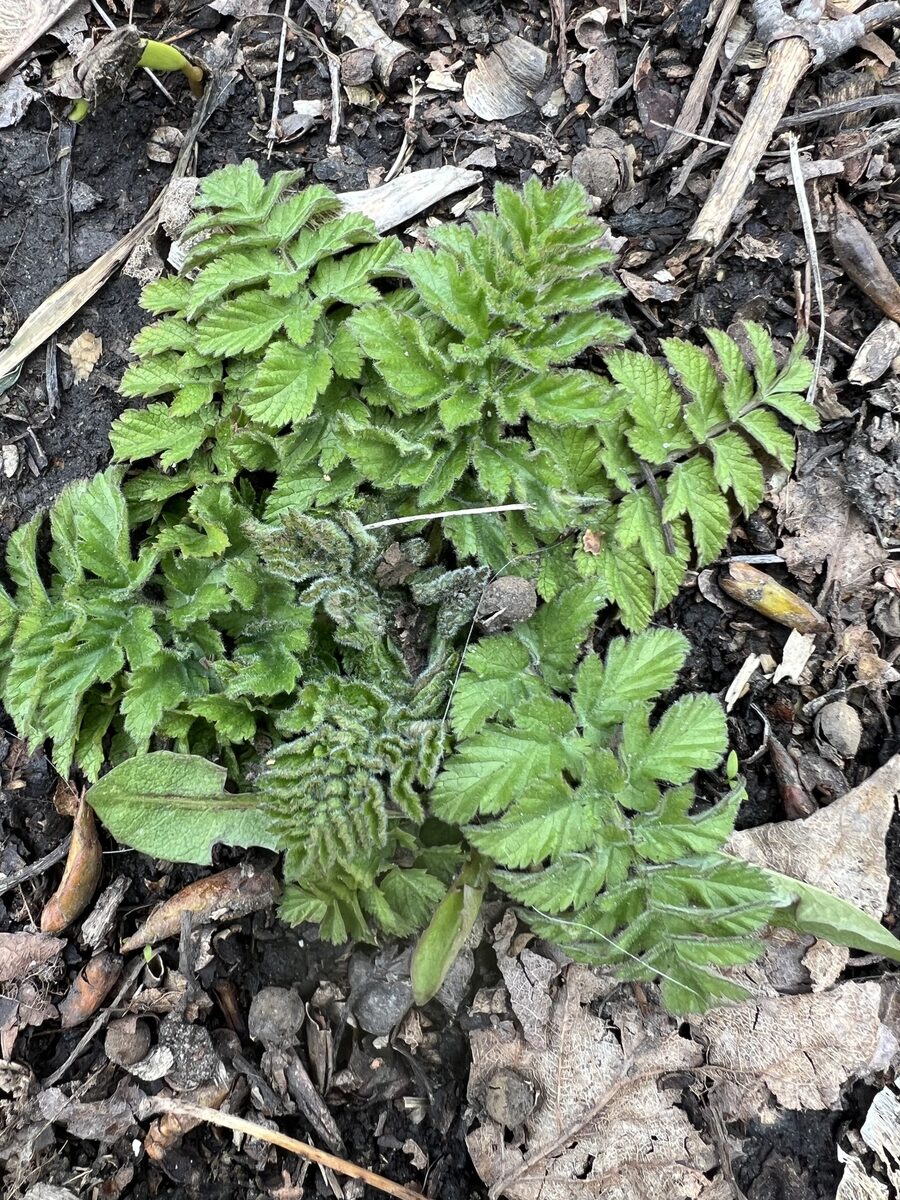
(c) Felix Riegel, some rights reserved (CC BY-NC), uploaded by Felix Riegel
iNaturalist· cc-by-nc
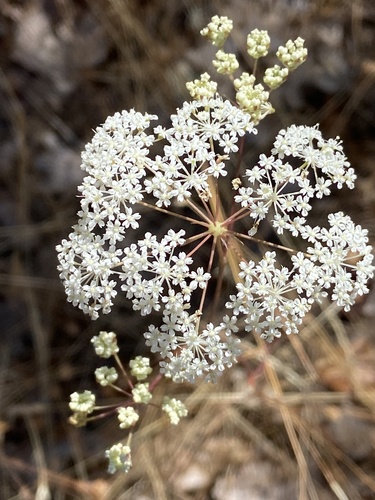
(c) berlinflower, some rights reserved (CC BY-NC)
iNaturalist· cc-by-nc
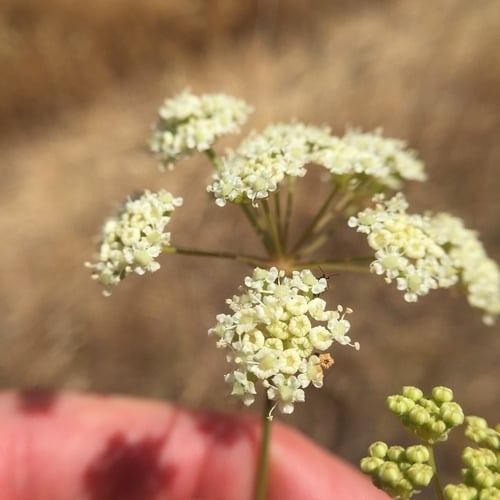
(c) alderash, some rights reserved (CC BY-NC), uploaded by alderash
Summary
Source: WikipediaChaerophyllum bulbosum is a species of flowering plant from the carrot family and known by several common names, including turnip-rooted chervil, tuberous-rooted chervil, bulbous chervil, and parsnip chervil. It is native to Europe and Western Asia. It was a popular vegetable in the 19th century. This is a tall annual herb with fringelike divided leaves and large umbels of white flowers. The plant is cultivated on a small scale in parts of Europe for the edible tubers, which look like a dark gray carrot with yellowish-white flesh. After the harvest they are stored for a few months under cold conditions. During storage, sugar content increases through hydrolysis of starch by amylases.
Description
A herb. The roots are longer and larger than common tuberous-rooted chervil.
This description is brief — help expand it
Edible Uses
It is otherwise used in cuisine for flavoring or cooked like other root vegetables. Much of the flavor comes from the skin of the tuber. The aroma intensifies the longer the plant is stored. Eaten raw, the taste is somewhat sharp like radish, but the cooked tuber gives a subtle taste of potatoes and chestnuts with a slightly pungent taste of celery and parsnip. C. bulbosum roots are high in fiber and have the same starchy quality as potatoes. They contain vitamins B and C and mineral salts.
Traditional Uses
The roots are cooked and eaten.
This uses section is brief — help expand it
Distribution
It is a temperate plant.
Where It Grows
Asia, Europe, Siberia,
Synonyms
References (3)
- Consp. fl. eur. 300. 1879
- Facciola, S., 1998, Cornucopia 2: a Source Book of Edible Plants. Kampong Publications, p 17
- Lim, T. K., 2015, Edible Medicinal and Non Medicinal Plants. Volume 9, Modified Stems, Roots, Bulbs. Springer p 23