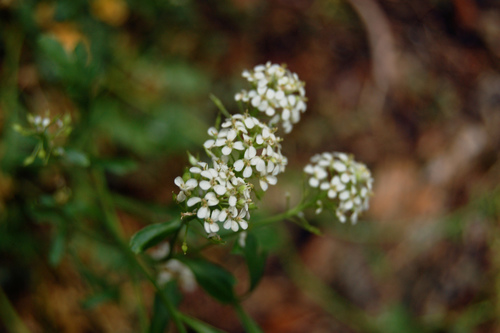
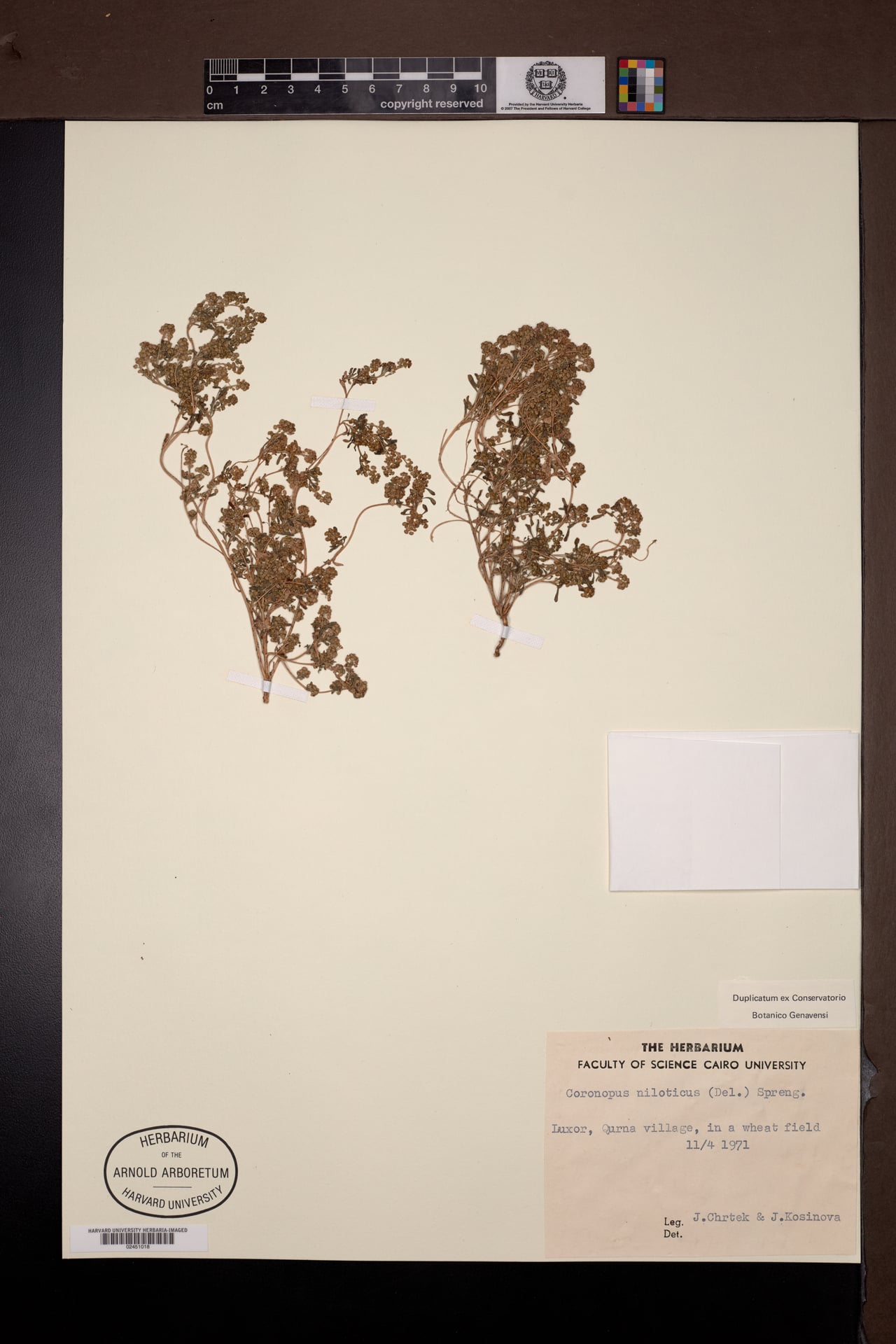
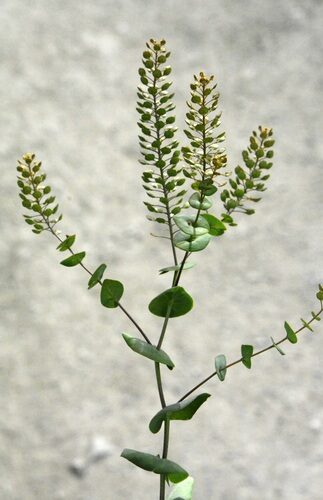
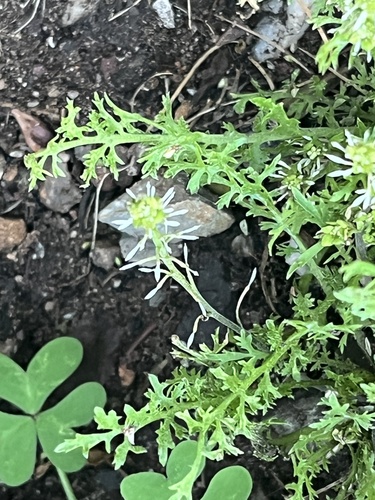
Coronopus didymus - (L.)Sm.
(L.)Sm.
Swine Wartcress, Lesser swinecress
gbif· cc-by-nc-nd
Rafael Tamajón Gómez
gbif· cc-by-nc-nd
Rafael Tamajón Gómez
gbif· cc-by-nc-nd
Rafael Tamajón Gómez
Description
Coronopus didymus is a ANNUAL/BIENNIAL growing to 0.3 m (1ft) by 0.2 m (0ft 8in). It is in flower from July to September, and the seeds ripen from August to October. The species is hermaphrodite (has both male and female organs). The plant is self-fertile. Suitable for: light (sandy), medium (loamy) and heavy (clay) soils. Suitable pH: mildly acid, neutral and basic (mildly alkaline) soils. It can grow in semi-shade (light woodland) or no shade. It prefers moist soil.
Edible Uses
Leaves - raw or cooked. A strong hot cress-like flavour.
Distribution
Europe. Asia. N. America. Naturalized in Britain.
Where It Grows
SOUTHERN AMERICA: Venezuela (southwest), Brazil, Bolivia, Peru, Argentina, Chile, Paraguay, Uruguay
Cultivation
See the plants native habitat for ideas on its cultivation needs.
Propagation
Seed - sow spring or autumn in situ.
Synonyms
Also Known As
Twin cress, Bitter cress, Calachin, Cervellina, Gangly, Hallian, Lesser wart-cress, lesser swine-cress, Mastuerzo, Mestruz, Quimpe. Austria: Zweiknoten-Krhenfuá. Denmark: Liden ravnefod. Germany: Zweiknotiger Krhenfuá. Lithuania: izskatiga varnaspeda. Norway: Ramkarse. Sweden: Hamnkrassing.