Brassica cretica
Lam.
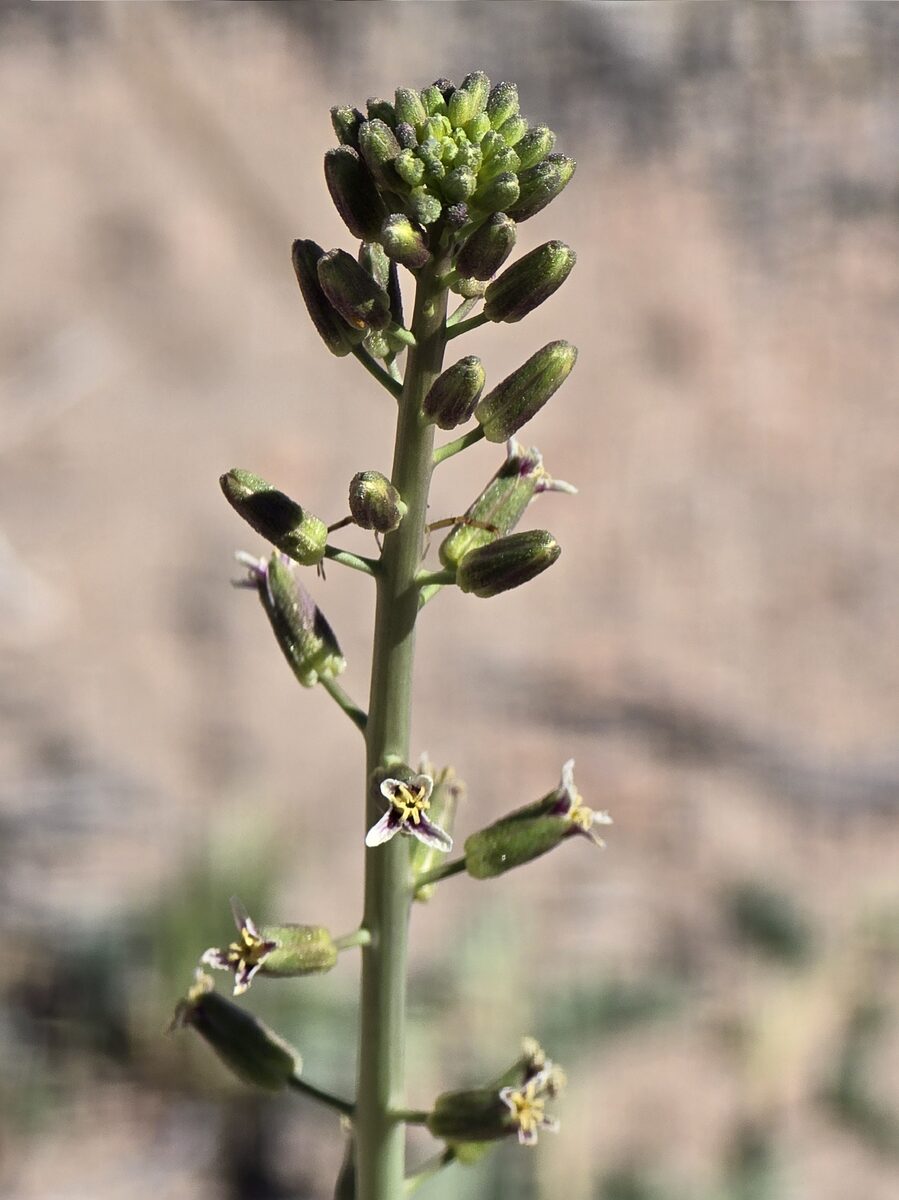
iNaturalist· cc-by-nc
(c) lougarou, some rights reserved (CC BY-NC), uploaded by lougarou
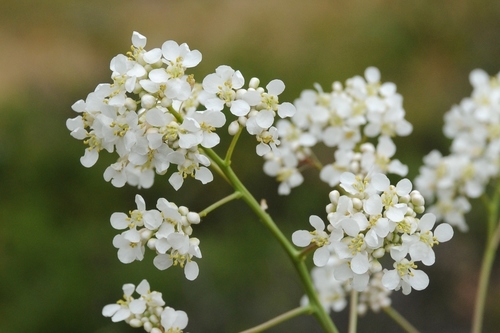
iNaturalist· cc-by-nc
(c) lougarou, some rights reserved (CC BY-NC), uploaded by lougarou
Summary
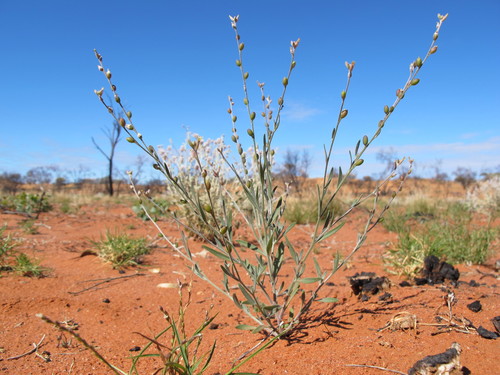
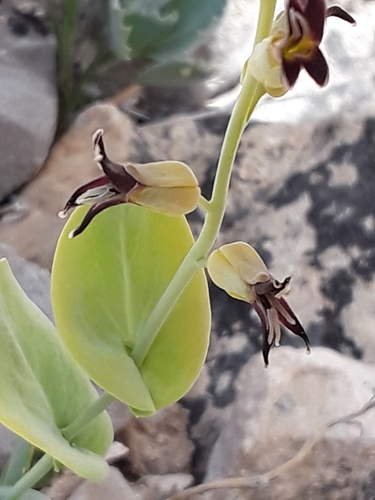
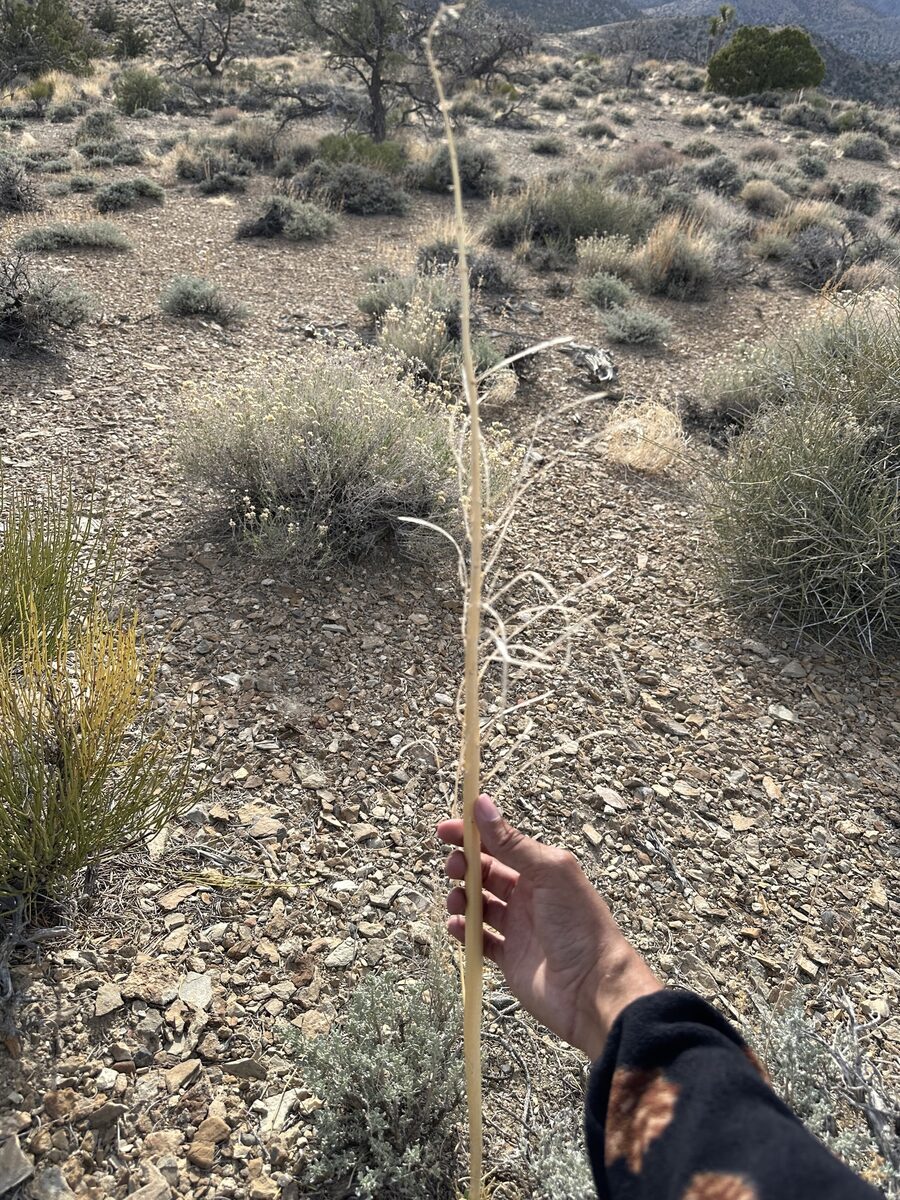
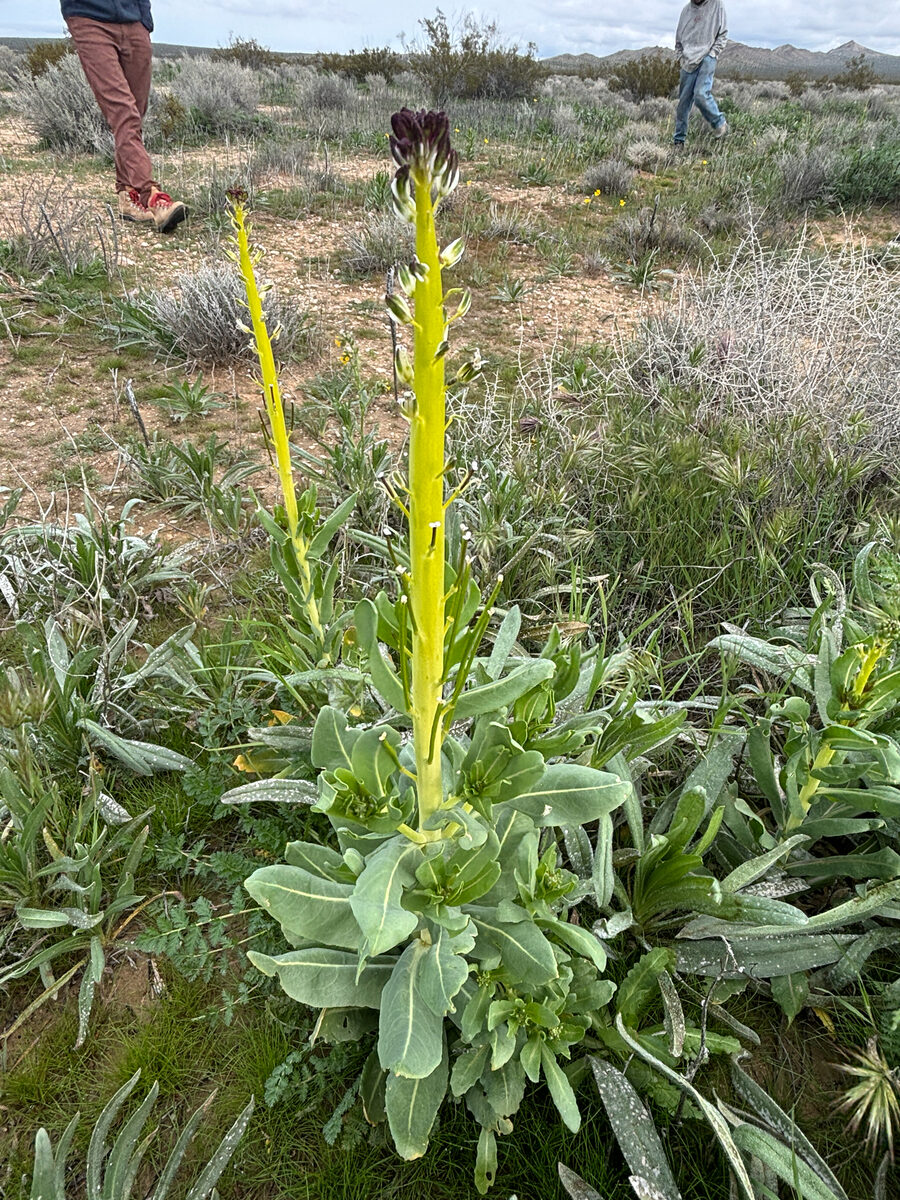
Source: WikipediaBrassica cretica is a species of flowering plant in the family Brassicaceae, native to the Eastern Mediterranean, particularly to Greece and the Aegean Islands. It was first described by Jean-Baptiste Lamarck in 1785. A 2021 study suggested that it was the origin of cultivated Brassica oleracea, with later admixture from other Brassica species.
Description
A perennial Brassica reaching 1 m tall with hermaphrodite flowers pollinated by insects. Grows in light sandy, medium loamy, and heavy clay soils that are well-drained. Tolerates mildly acid to basic pH. Requires full sun and prefers consistently moist soil.
Edible Uses
Edible Parts: Leaves Shoots Edible Uses: The young shoots are used as a vegetable in Greece.
Traditional Uses
The young shoots are eaten.
This uses section is brief — help expand it
Medicinal Uses
None known
Distribution
It is a Mediterranean plant. It grows amongst rocks usually near sea level. It needs to be in a sunny position.
Where It Grows
Asia, China, Crete, Europe, Greece, Lebanon, Mediterranean, Middle East, Spain, Turkey, Türkiye,
Cultivation
We have very little information on this species and do not know if it will be hardy in Britain, though judging by its native range it could succeed outdoors at least in the milder parts of this country. It is a polymorphic species and is closely related to the wild cabbage, B. oleracea. It has, in the past, been cultivated as a food plant. The following notes are based on the general needs of the genus. Succeeds in full sun in a well-drained fertile preferably alkaline soil.
Propagation
Seed - sow spring in a greenhouse. When they are large enough to handle, prick the seedlings out into individual pots and plant them out into their permanent positions in early summer.
Other Uses
None known Special Uses
Notes
There are about 30 Brassica species and many cultivated varieties.
References (11)
- Ertug, F, Yenen Bitkiler. Resimli Türkiye Florası -I- Flora of Turkey - Ethnobotany supplement
- Encycl. 1:747. 1785
- FitzJohn, R. G. et al. 2007. Hybridisation within Brassica and allied genera: evaluation of potential for transgene escape. Euphytica 158:209–230.
- Hedrick, U.P., 1919, (Ed.), Sturtevant's edible plants of the world. p 120
- Kunakh, V. A. et al. 2008. Mixoploidy in wild and cultivated species of Cruciferae capable of hybridizing with rapeseed Brassica napus. Cytol. & Genet. 42:204–209.
Show all 11 references Hide references
- Plants for a Future database, The Field, Penpol, Lostwithiel, Cornwall, PL22 0NG, UK. http://www.scs.leeds.ac.uk/pfaf/
- Rivera, D. et al, 2006, Gathered Mediterranean Food Plants - Ethnobotanical Investigations and Historical Development, in Heinrich M, Müller WE, Galli C (eds): Local Mediterranean Food Plants and Nutraceuticals. Forum Nutr. Basel, Karger, 2006, vol 59, pp 18–74
- Tardio, J., et al, Ethnobotanical review of wild edible plants in Spain. Botanical J. Linnean Soc. 152 (2006), 27-71
- USDA, ARS, National Genetic Resources Program. Germplasm Resources Information Network - (GRIN). [Online Database] National Germplasm Resources Laboratory, Beltsville, Maryland. Available: www.ars-grin.gov/cgi-bin/npgs/html/econ.pl (10 April 2000)
- Wiersema, J. H. & Leon, B., 2013, World Economic Plants. A Standard Reference CRC Press. 2nd Ed. p 111
- World Checklist of Useful Plant Species 2020. Royal Botanic Gardens, Kew