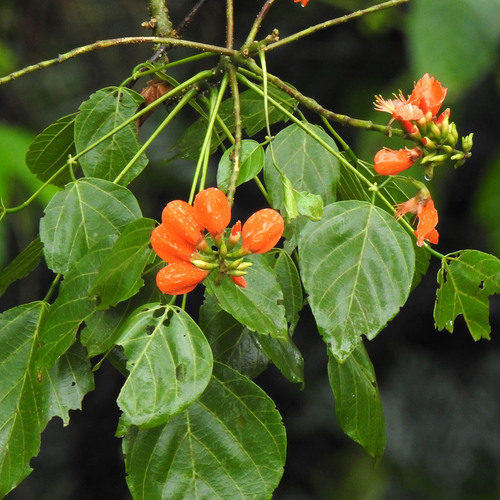
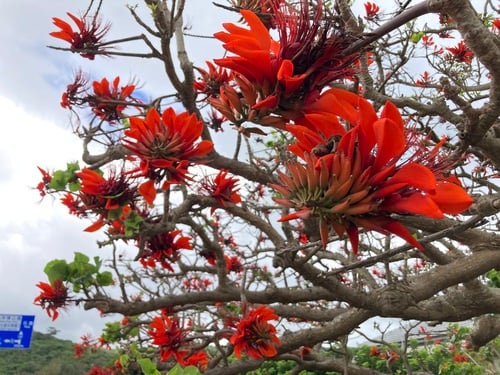
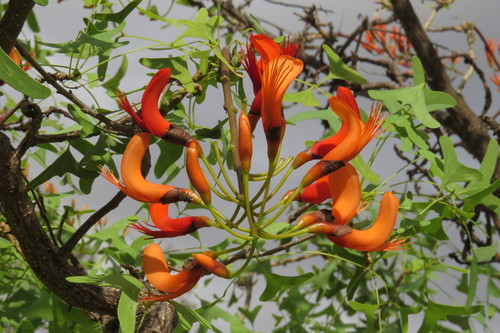
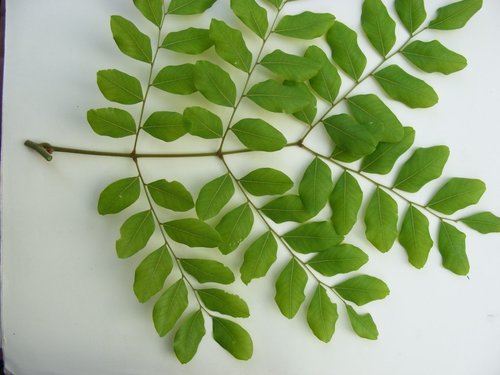
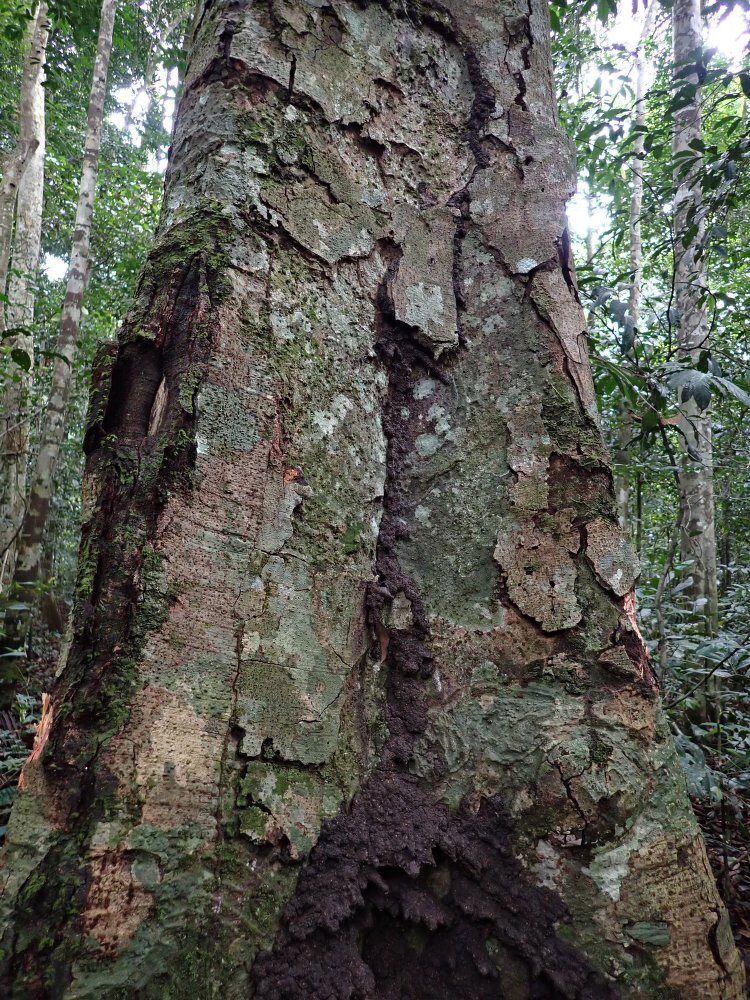
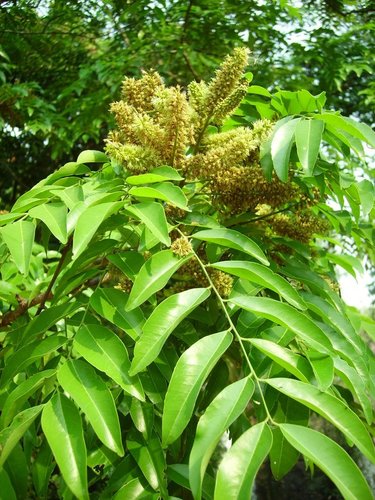
Erythrina melanacantha subsp. somala
Taub. ex Harms,
gbif· cc-by
Royal Botanic Gardens, Kew
gbif· cc-by
Royal Botanic Gardens, Kew
gbif· cc-by
Royal Botanic Gardens, Kew
Description
A tropical legume tree growing 6-20 m high with prickles, adapted to arid conditions in highland areas (300-1,500 m elevation) receiving 150-400 mm annual rainfall. It serves as a famine food in semi-arid regions.
Edible Uses
The roots are eaten during drought. Seeds and other vegetable parts are also consumed.
Traditional Uses
Roots are eaten during drought.
This uses section is brief — help expand it
Distribution
A tropical plant. It grows between 300-1,500 m above sea level. It grows in areas with an annual rainfall 150-400 mm. It can grow in arid places.
Where It Grows
Africa, East Africa, Ethiopia, Kenya, Socotra, Somalia, Tanzania,
Other Information
A famine food.
Notes
There are 108 Erythrina species.
References (4)
- East African Herbarium records, 1981,
- Jardin, C., 1970, List of Foods Used In Africa, FAO Nutrition Information Document Series No 2.p 76
- Peters, C. R., O'Brien, E. M., and Drummond, R.B., 1992, Edible Wild plants of Sub-saharan Africa. Kew. p 134
- Royal Botanic Gardens, Kew (1999). Survey of Economic Plants for Arid and Semi-Arid Lands (SEPASAL) database. Published on the Internet; http://www.rbgkew.org.uk/ceb/sepasal/internet [Accessed 28th April 2011]