Inga auristellae
Harms
Sapo shimbillo, Goldenstar inga
iNaturalist· cc-by-nc
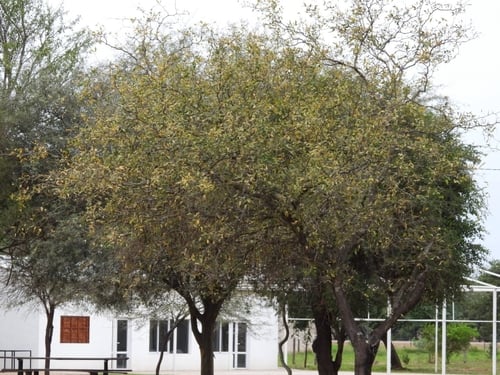
(c) Riley Fortier, some rights reserved (CC BY-NC), uploaded by Riley Fortier
iNaturalist· cc-by-nc
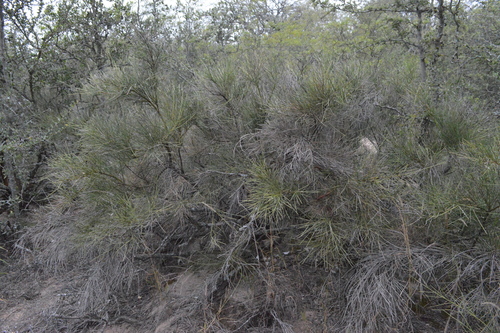
(c) Riley Fortier, some rights reserved (CC BY-NC)
Description
A tree. It grows about 12 m tall. The pods are green and 10-12 cm long by about 2 cm wide. There are about 9 seeds surrounded by white pulp. The pulp is edible.
Edible Uses
The white pulp (aril) surrounding the seeds is eaten fresh from the pod.
Distribution
It is a tropical plant. It grows in the wetlands in Peru. In the Amazon basin it grows up to about 700 m above sea level.
Where It Grows
Amazon, Bolivia, Brazil, Colombia, Ecuador, French Guiana, Guianas, Guyana, Peru*, South America, Suriname, Venezuela,
Cultivation
Plants grow easily from seeds. Seeds germinate in 1-2 weeks given moisture and shade.
Production
Pods are collected during the rainy season.
Notes
Also as Mimosaceae.
Also Known As
Chichiku pakay, Estralador, Kina kachi, Mimonkawe, Mimotahue, Momontan, Pilingas, Sisi pene, Son'yio
References (6)
- Grandtner, M. M. & Chevrette, J., 2013, Dictionary of Trees, Volume 2: South America: Nomenclature, Taxonomy and Ecology. Academic Press p 319
- Kermath, B. M., et al, 2014, Food Plants in the Americas: A survey of the domesticated, cultivated and wild plants used for Human food in North, Central and South America and the Caribbean. On line draft. p 436
- Philips, O., 1992, The potential for harvesting fruits in tropical rainforests: new data from Amazonian Peru. Biodiversity and Conservation 2, 18-38
- Roa, J. A. G. & Boada, D. S. G., 2018, Fundación para el Fortalecimiento de la Fruticultura y Plantas Alimenticias no Convencionales en Colombia.
- Smith, N., et al, 2007, Amazon River Fruits. Flavors for Conservation. Missouri Botanical Gardens Press. p 115
Show all 6 references Hide references
- Torre, de la, L., et al, 2008, Enciclopedia de las Plantas Útiles del Ecuador. Herbario QCA. Pontificia Universidad Católica del Ecuador. p 342