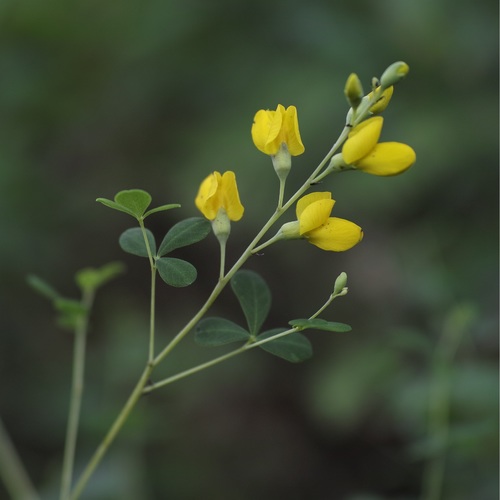
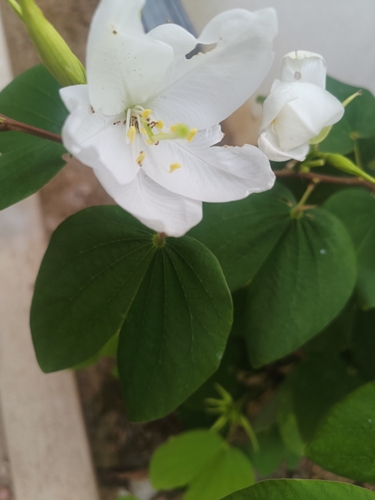
Inga alata
Benoist
Winged inga
gbif· cc-by-sa
GBIF
gbif· cc-by-nc
Rapid Reference Collection (RRC) | Field Museum of Natural History - Keller Science Action Center
gbif· cc-by-nc
Field Museum of Natural History - Botany Department | GDI 2013-2015
Description
Winged inga is a tropical tree in the legume family (Fabaceae) valued as a significant food source.
This description is brief — help expand it
Edible Uses
The fruit is edible and represents a significant food source.
Medicinal Uses
The sap from the grated and pressed bark is used to soothe mouth sores (including thrush and other buccal dermatoses) of infants. The leaves contain flavonols, particularly heterosides of myricetol.
Distribution
It is a tropical plant.
Where It Grows
Amazon, Bolivia, Brazil, Colombia, Ecuador, French Guiana, Guyana, South America*, Venezuela,
Cultivation
This species has a symbiotic relationship with certain soil bacteria, these bacteria form nodules on the roots and fix atmospheric nitrogen. Some of this nitrogen is utilized by the growing plant but some can also be used by other plants growing nearby.
Other Uses
The wood of Inga species is generally attractive, but it has a coarse texture, is susceptible to attack by dry-wood termites and is not durable in the soil.
Other Information
It is a significant food.
Also Known As
Airo pene, Bene, Pakay, Pene, Sacha pakay
References (5)
- Grandtner, M. M. & Chevrette, J., 2013, Dictionary of Trees, Volume 2: South America: Nomenclature, Taxonomy and Ecology. Academic Press p 318
- Grenand, P., 1992, The Use and Cultural Significance of the Secondary Forest Among the Wayapi Indians. ORSTOM. In Sustainable Harvesting and Marketing of Rainforest Products. Island Press. Washington. p 32
- Kew Plants of the World On line
- Roa, J. A. G. & Boada, D. S. G., 2018, Fundación para el Fortalecimiento de la Fruticultura y Plantas Alimenticias no Convencionales en Colombia.
- Torre, de la, L., et al, 2008, Enciclopedia de las Plantas Útiles del Ecuador. Herbario QCA. Pontificia Universidad Católica del Ecuador. p 342