Cardamine violacea - (D.Don.)Wall.
(D.Don.)Wall.
gbif· cc-by-nc-sa
Ajay Neupane
gbif· cc-by-nc-sa
Ajay Neupane
gbif· cc-by-nc-sa
Ajay Neupane
Description
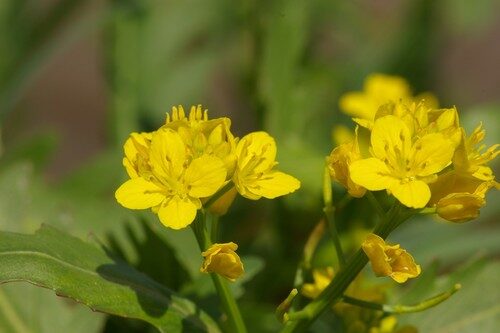
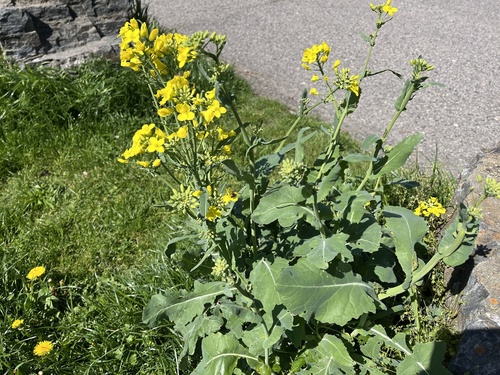
Cardamine violacea is a PERENNIAL growing to 0.3 m (1ft). The species is hermaphrodite (has both male and female organs) and is pollinated by Bees, flies, Lepidoptera (Moths & Butterflies). The plant is self-fertile. Suitable for: light (sandy), medium (loamy) and heavy (clay) soils. Suitable pH: mildly acid, neutral and basic (mildly alkaline) soils. It can grow in semi-shade (light woodland) or no shade. It prefers moist soil.
Edible Uses
Tender young shoots and leaves - cooked as a vegetable.
Distribution
E. Asia - Himalayas from India to Bhutan and Nepal.
Where It Grows
Coming Soon
Cultivation
We have very little information on this species and do not know if it will be hardy in Britain. However, judging by its native range, it is likely to succeed outdoors at least in the milder areas of the country. The following notes are based on the general needs of the genus. Succeeds in most soils so long as they are not dry. Prefers a moist humus rich soil in shade or semi-shade.
Propagation
Seed - sow spring in a cold frame. Germination usually takes place within 1 - 3 weeks at 15°c. When large enough to handle, prick the seedlings out into individual pots and grow them on in light shade in a greenhouse or cold frame for the first two years, planting them out when dormant in late summer. Division in early spring or after the plant dies down in the summer. Larger clumps can be replanted direct into their permanent positions, though it is best to pot up smaller clumps and grow them on in a cold frame until they are rooting well. Plant them out in the spring.