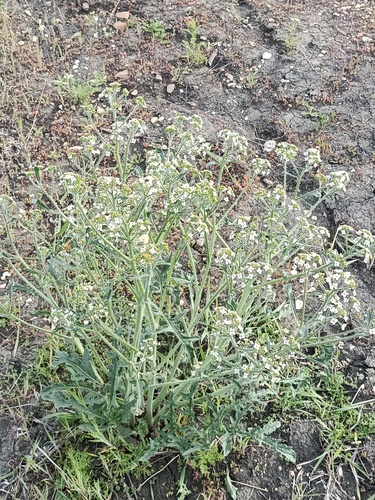
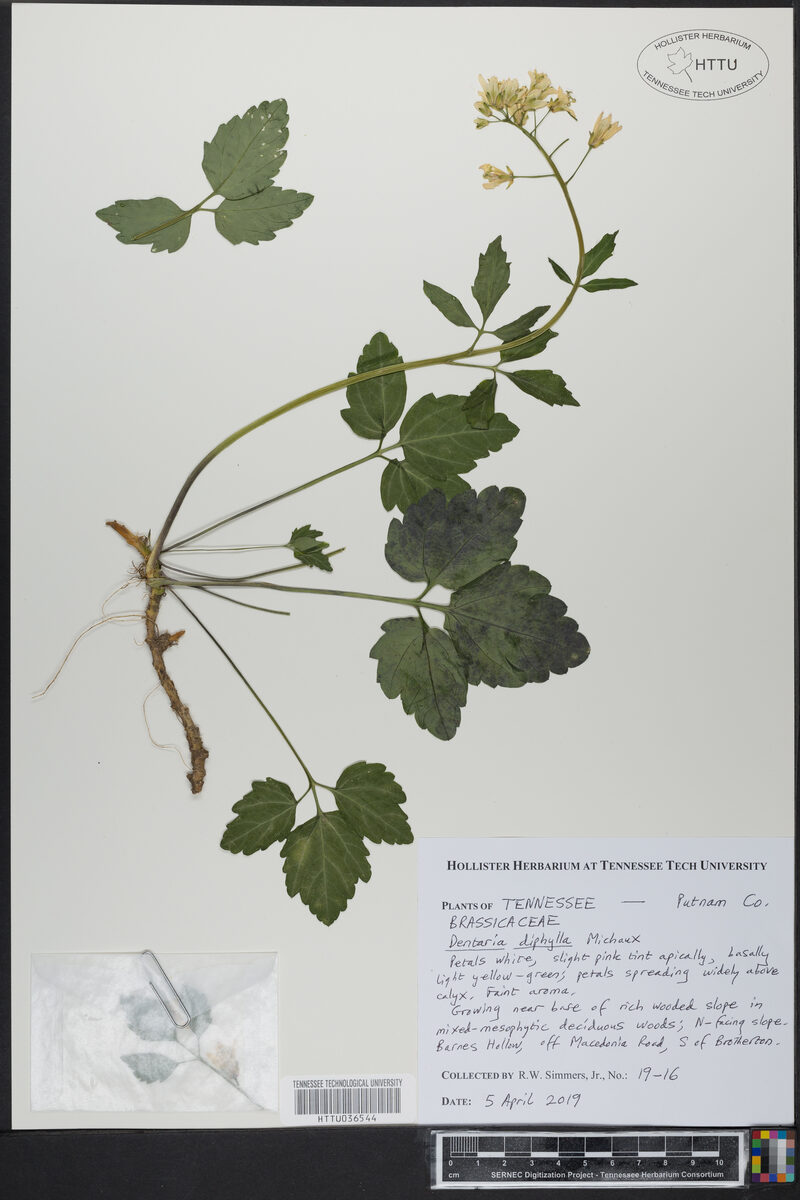
Pringlea antiscorbutica
R. Br. ex Hook. f.
Kerguelen Cabbage
iNaturalist· cc-by-nc
(c) eliegaget, some rights reserved (CC BY-NC), uploaded by eliegaget
iNaturalist· cc-by-nc
(c) pougeon, some rights reserved (CC BY-NC)
iNaturalist· cc-by-nc
(c) pougeon, some rights reserved (CC BY-NC)
Summary
Source: WikipediaA hermaphroditic plant suitable for light sandy, medium loamy, and heavy clay soils across mildly acidic to mildly alkaline pH ranges. Tolerates semi-shade in light woodland or full sun. Prefers moist soil.
Description
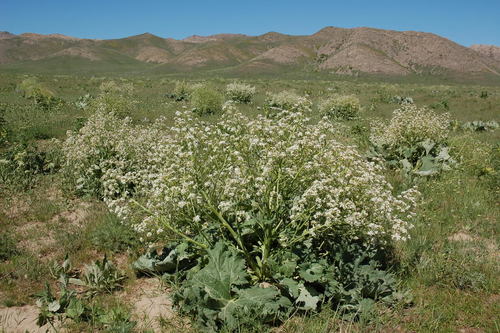
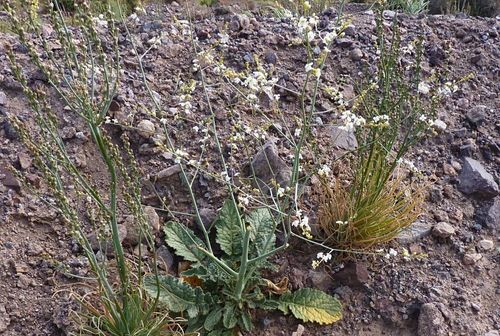
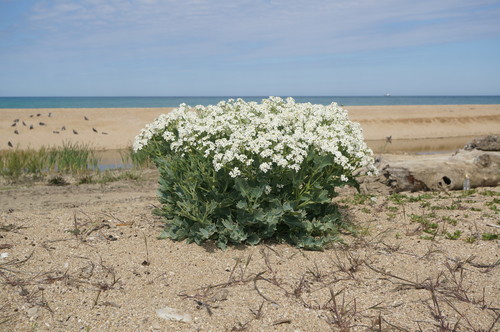
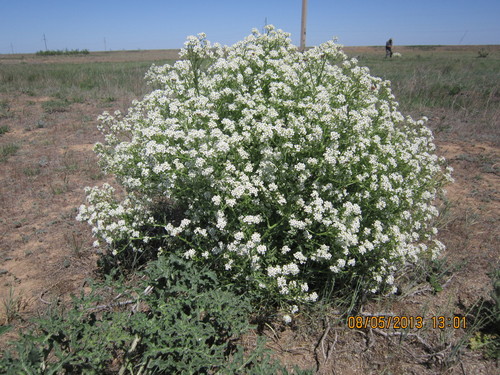
A cabbage family herb. The underground stems or rhizomes reach 1.2 m. It has a ring of cabbage like leaves. These heads of leaves can be 46 cm across. The flower arises from the base and slightly to one side. The flower often lacks petals but may have 1-4 pink petals.
Edible Uses
Leaves can be eaten raw or cooked. The root serves as a substitute for horseradish (Armoracia rusticana): grated, it is used to make a horseradish-style sauce with a hot, mustard-like flavour. The sauce is best used uncooked or gently warmed, as heat destroys the volatile oils responsible for its pungency.
Traditional Uses
The roots taste like horseradish.
This uses section is brief — help expand it
Medicinal Uses
The leaves are antiscorbutic.
Distribution
It grows in Antarctic regions. It grows on Kerguelen and Crozet islands. Here it grows from sea level to 610 m altitude. Hobart Botanical Gardens.
Where It Grows
Antarctica, Australia, Crozet, Heard Island, Kerguelen Island, Tasmania,
Cultivation
Not known
Propagation
Seed.
Other Uses
None known.
Notes
There is only one Pringlea species.
References (6)
- Fl. Antarc. 2: 239. T. 90, 91. 1847
- Hedrick, U.P., 1919, (Ed.), Sturtevant's edible plants of the world. p 516
- Heywood, V.H., Brummitt, R.K., Culham, A., and Seberg, O. 2007, Flowering Plant Families of the World. Royal Botanical Gardens, Kew. p 68
- Lavelle, M., 2008, Wild Flowers of Australia and Oceania. Southwater. p 60
- Morley, B. & Everard, B., 1970, Wild Flowers of the World. Ebury press. Plate 1
Show all 6 references Hide references
- Plants for a Future database, The Field, Penpol, Lostwithiel, Cornwall, PL22 0NG, UK. http://www.scs.leeds.ac.uk/pfaf/