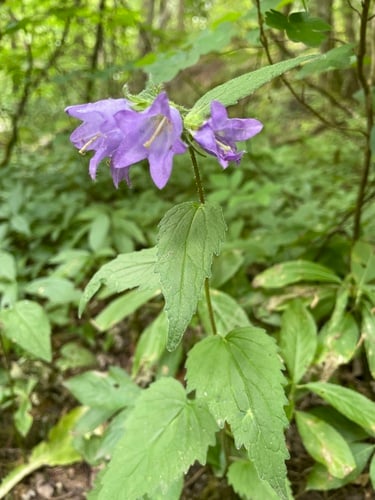
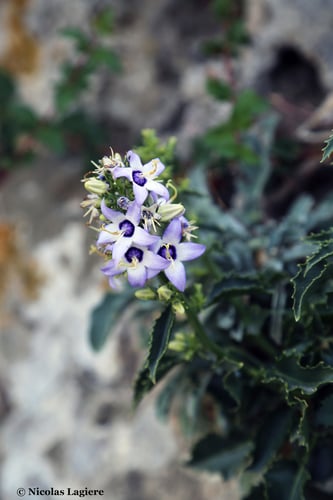
Campanula lasiocarpa
Cham.
Mountain harebell
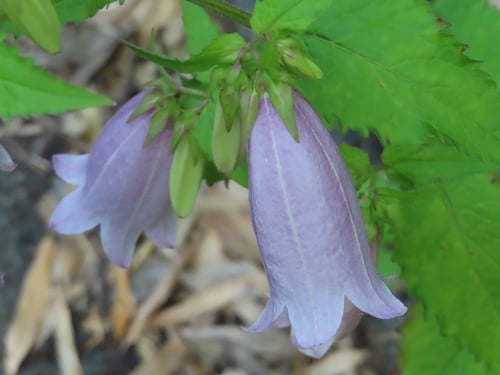
iNaturalist· cc-by
(c) Denali National Park and Preserve, some rights reserved (CC BY)
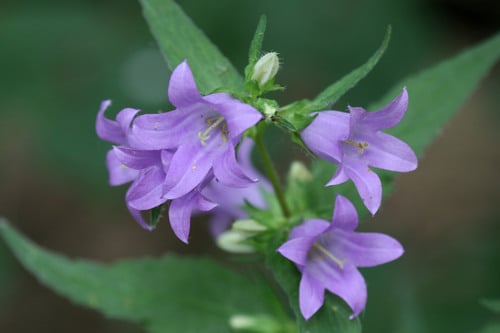
iNaturalist· cc-by
(c) Jason Hollinger, some rights reserved (CC BY)
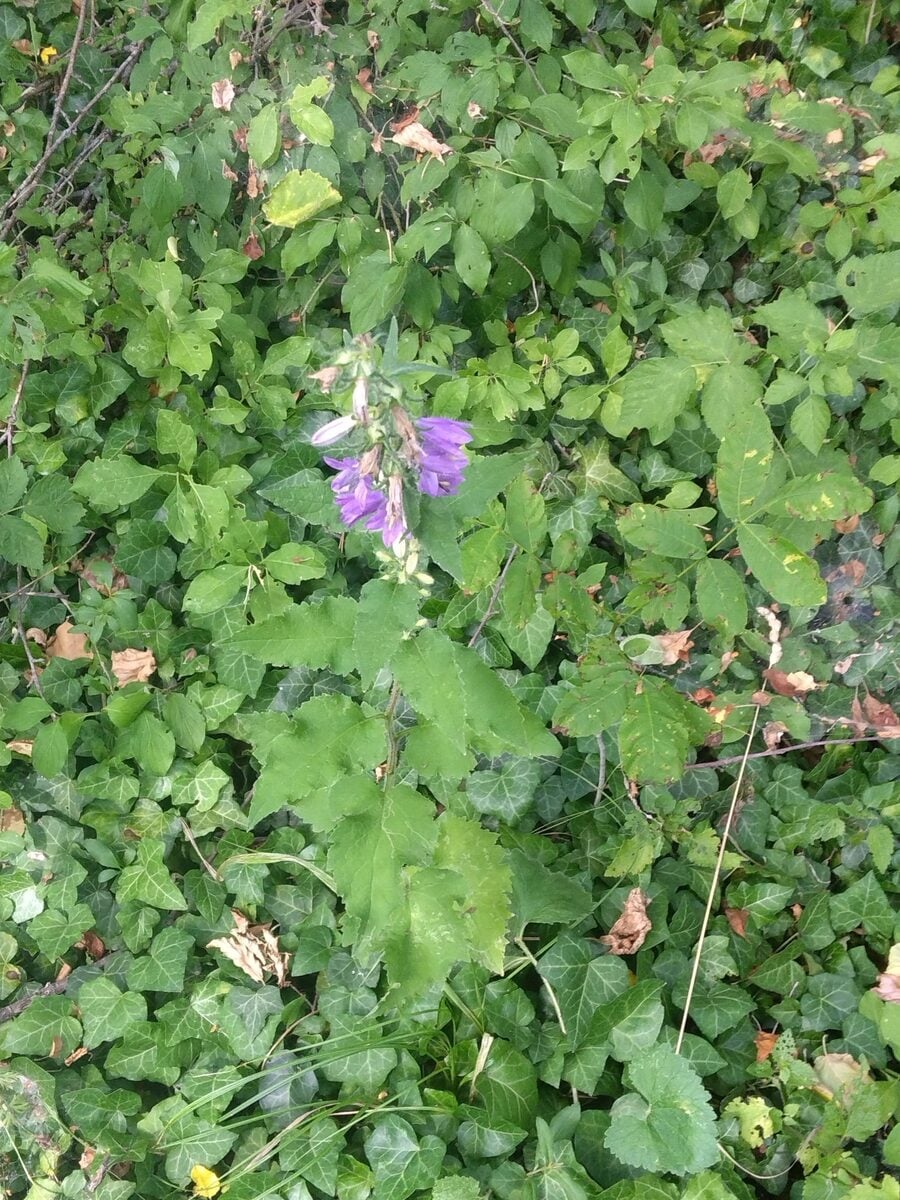
iNaturalist· cc-by-nc
(c) Neil O. Frakes, some rights reserved (CC BY-NC), uploaded by Neil O. Frakes
Description
Campanula lasiocarpa is a PERENNIAL growing to 0.2 m (0ft 8in). See above for USDA hardiness. It is hardy to UK zone 4. It is in flower in July, and the seeds ripen from August to September. The species is hermaphrodite (has both male and female organs) and is pollinated by Bees, flies, beetles, Lepidoptera (Moths & Butterflies). The plant is self-fertile. Suitable for: light (sandy) soils, prefers well-drained soil and can grow in nutritionally poor soil. Suitable pH: mildly acid, neutral and basic (mildly alkaline) soils. It cannot grow in the shade. It prefers moist soil.
Edible Uses
Stems. No more details are given, but the flowers and leaves of this plant should also be edible.
Distribution
E. Asia - China, Japan to Western N. America - Rocky Mountains.
Where It Grows
TEMPERATE ASIA: Russian Federation (Kurile Islands, Kamcatskij kraj, Koryak, Magadanskaja oblast, Sakhalin), Japan (Hokkaidô, Honshu (north & central)) NORTHERN AMERICA: Canada (Yukon, Alberta, British Columbia), United States (Alaska, Washington)
Cultivation
Prefers a moist but well-drained rich sandy loam and a neutral or alkaline soil in sun or partial shade. A rock garden plant, it is difficult to grow in the garden needing a very gritty soil and perfect drainage. It grows freely amongst rocks or in a loose scree, but is very impatient of winter wet. Plants are hardy to at least -15°c. Slugs are very partial to this plant. Members of this genus are rarely if ever troubled by browsing deer. The species in this genus do not often hybridize and so seed can generally be relied upon to come true. The plants are self-fertile. Plants produce seed freely in British gardens. There is at least one named variety, selected for its ornamental value. 'Alba' has white flowers.
Propagation
Seed - surface sow spring in a cold frame. The seed usually germinates in 2 - 4 weeks at 18°c. Easy. When they are large enough to handle, prick the seedlings out into individual pots and grow them on in a cold frame for at least their first winter. Plant them out into their permanent positions in late spring or early summer, after the last expected frosts. Basal cuttings in spring. Harvest the shoots when they are about 10 - 15cm long with plenty of underground stem. Pot them up into individual pots and keep them in light shade in a cold frame or greenhouse until they are rooting well. Plant them out in the summer. Division in spring or autumn. Very easy, larger clumps can be replanted direct into their permanent positions, though it is best to pot up smaller clumps and grow them on in a cold frame until they are rooting well. Plant them out in the summer or following spring.