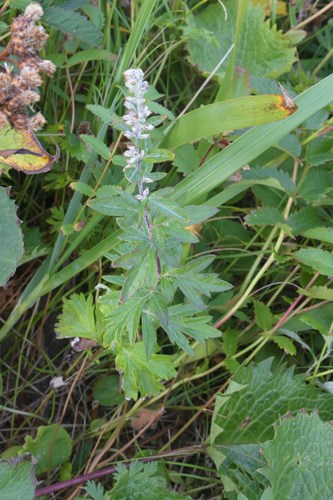
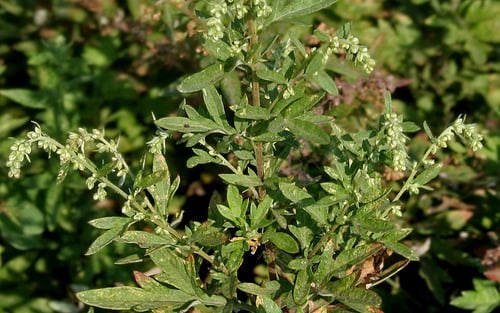
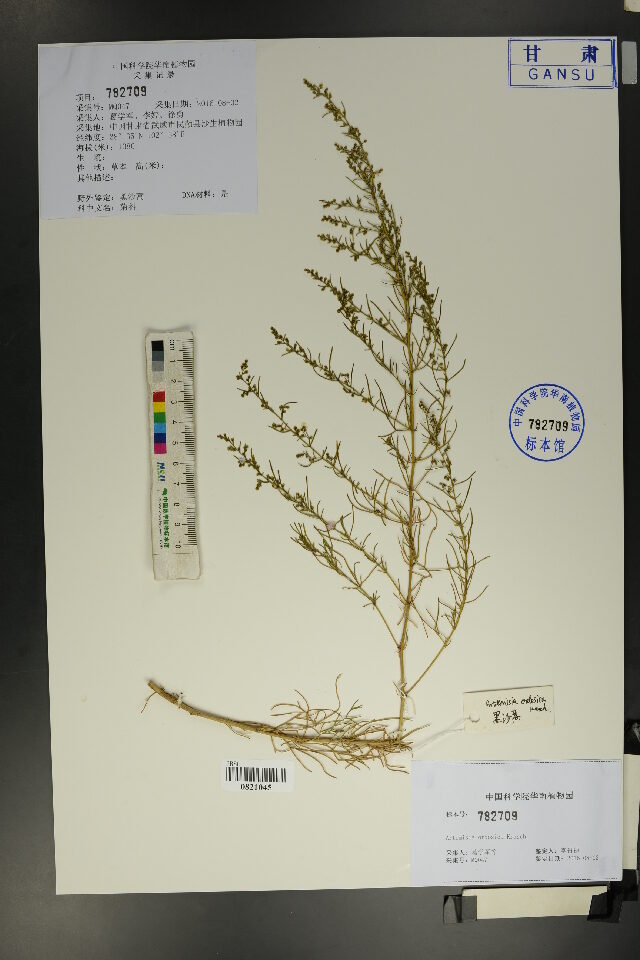
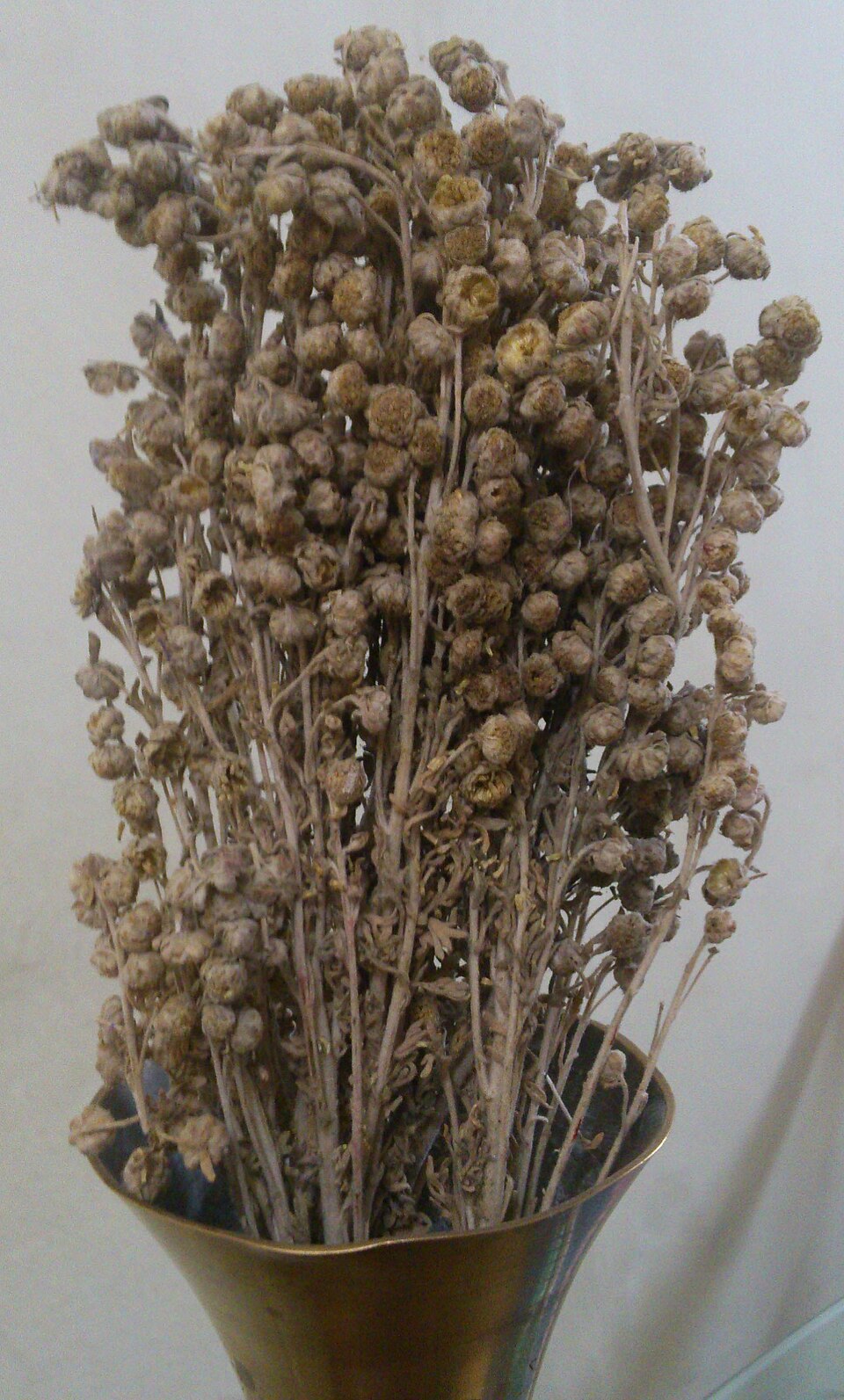
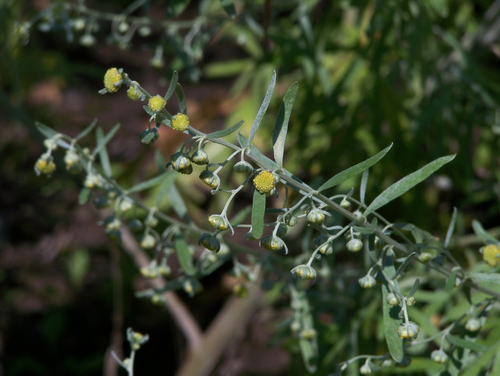
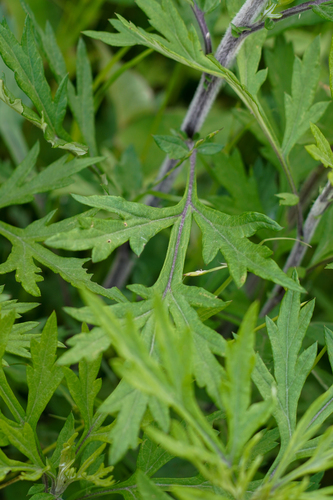
Cacalia atriplicifolia
L.
Pale indian plantain
gbif· cc-by-nc
Wisconsin State Herbarium, Vascular Plants (WIS-)
gbif· cc-by-nc
Wisconsin State Herbarium, Vascular Plants (WIS-)
gbif· cc0
East Tennessee State University, John C. Warden Herbarium (ETSU-)
Description
Cacalia atriplicifolia is a PERENNIAL growing to 1.8 m (6ft). It is in flower from July to September, and the seeds ripen from August to October. The species is hermaphrodite (has both male and female organs) and is pollinated by Insects. Suitable for: light (sandy), medium (loamy) and heavy (clay) soils. Suitable pH: mildly acid and neutral soils. It can grow in full shade (deep woodland) or semi-shade (light woodland). It prefers moist soil.
Edible Uses
Condiment. Young leaves - cooked. Used as a potherb. The powdered leaves are used as a seasoning.
Medicinal Uses
Poultice. The leaves have been used as a poultice for cuts, bruises and cancers, and also to draw out blood or poisonous materials.
Distribution
Eastern N. America - New York to Minnesota, south to Florida and Oklahoma.
Where It Grows
NORTHERN AMERICA: United States, Indiana, Michigan, New Jersey, New York, Ohio, Pennsylvania, West Virginia, Illinois, Iowa, Kansas, Minnesota (south), Missouri, Nebraska, Oklahoma, Wisconsin, Alabama, Arkansas, Florida (north), Georgia, Kentucky, Louisiana, Maryland, Mississippi, North Carolina, South Carolina, Tennessee, Virginia,
Cultivation
We have very little information on this species and do not know if it will be hardy in Britain, though judging by its native range it should succeed outdoors in many parts of this country. The following notes are based on the general needs of the genus. Prefers a moist peaty or leafy lime-free soil in shade or semi-shade. Plants tend to be somewhat invasive, they are best suited to naturalizing in the wild or woodland garden.
Propagation
Seed - we have no information on this species but suggest sowing the seed in spring in a cold frame. Surface sow or only just cover the seed and do not allow the compost to dry out. Prick out the seedlings into individual pots when they are large enough to handle and grow them on in light shade until they are large enough to plant out. Division in spring.
Other Uses
A good food and shelter plant for beneficial organisms especially birds.