Conoclinium coelestinum
(L.) DC.
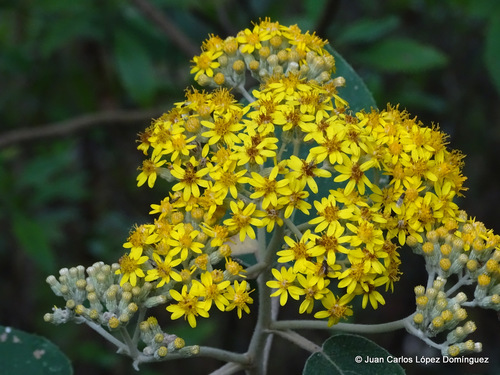
iNaturalist· cc-by-nc
(c) bioblitz_aggregate_account, some rights reserved (CC BY-NC)
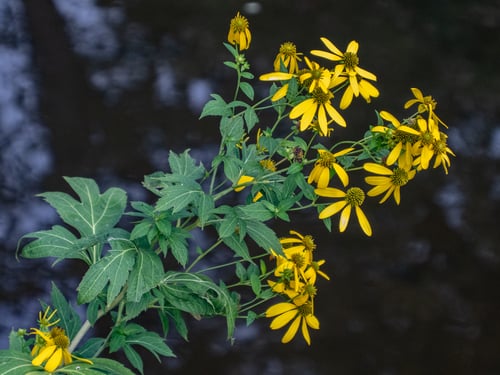
iNaturalist· cc-by-nc
(c) e_soderstrom, some rights reserved (CC BY-NC)
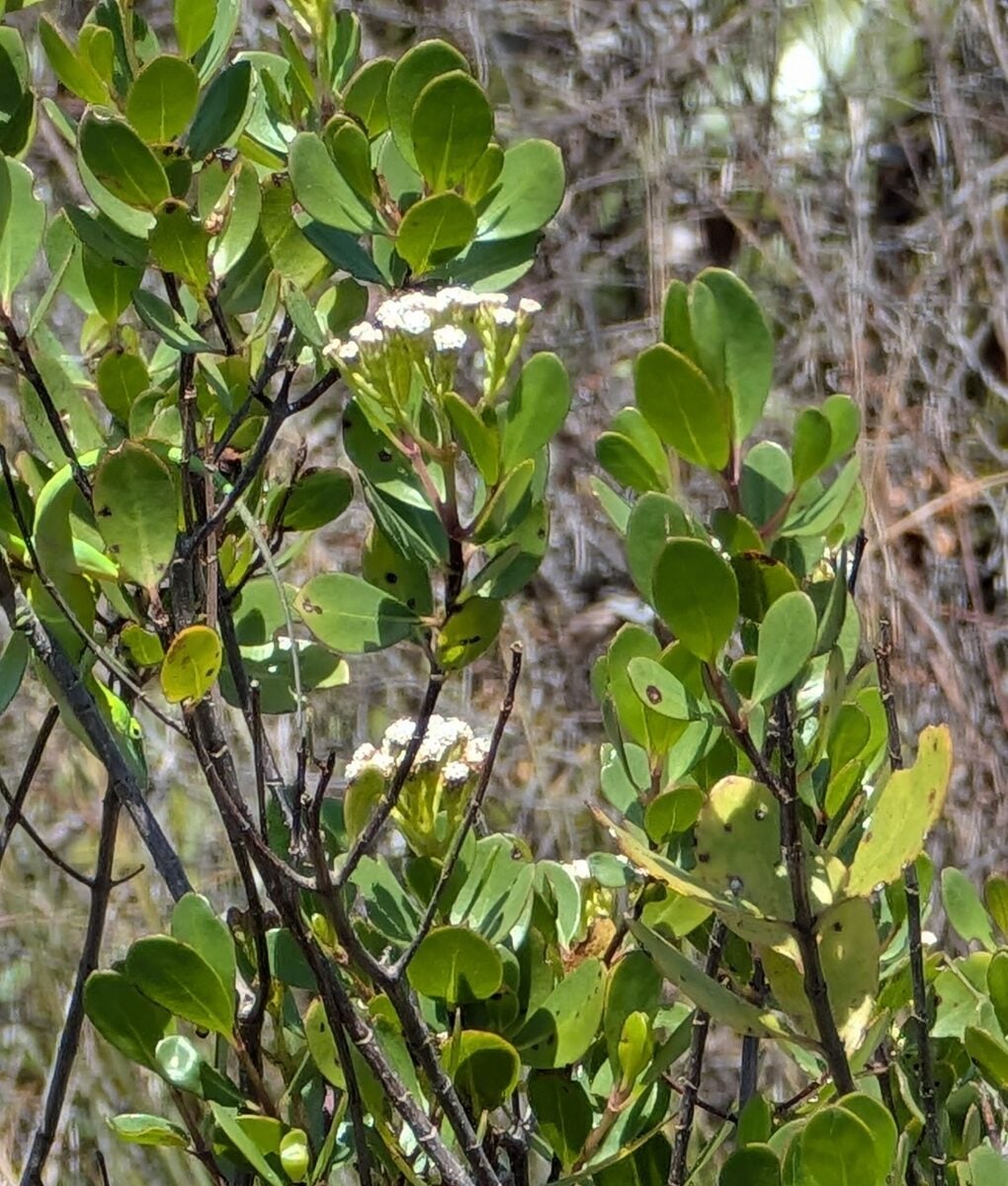
iNaturalist· cc-by-sa
(c) Douglas Goldman, some rights reserved (CC BY-SA), uploaded by Douglas Goldman
Summary
Source: WikipediaConoclinium coelestinum, commonly known as blue mistflower, mistflower, wild ageratum, or blue boneset, is a North American species of herbaceous perennial flowering plant in the family Asteraceae. It was formerly classified in the genus Eupatorium, but phylogenetic analyses in the late 20th century research indicated that that genus should be split, and the species was reclassified in Conoclinium.
Description
A herb. It keeps growing from year to year. It grows up to 2 m tall. The leaves are opposite and oval or triangle shaped. They are 2-7 cm long by 2-3 cm wide. There are teeth along the edge.
Edible Uses
No edible uses are known for this plant.
Medicinal Uses
No medicinal uses are known for this plant.
Distribution
It is a temperate plant. It grows in hardiness zones 5-11. In Yunnan.
Where It Grows
Asia, Canada, China, North America, USA,
Propagation
Propagate by seed or by division of the rhizomes.
Other Uses
A fast-growing ground cover with medium to high density, recommended for habitat restoration within its native range, particularly in wet soils. It is well suited for use as a butterfly nectar plant, cut flower, accent specimen, or as part of a grouping or mass planting. The flowers attract long-tongued bees, butterflies, and skippers, with occasional visits from short-tongued bees, various flies, moths, and beetles. Suitable for food forest and ground cover applications.
Synonyms
References (1)
- Jackes, D. A., Edible Forest Gardens