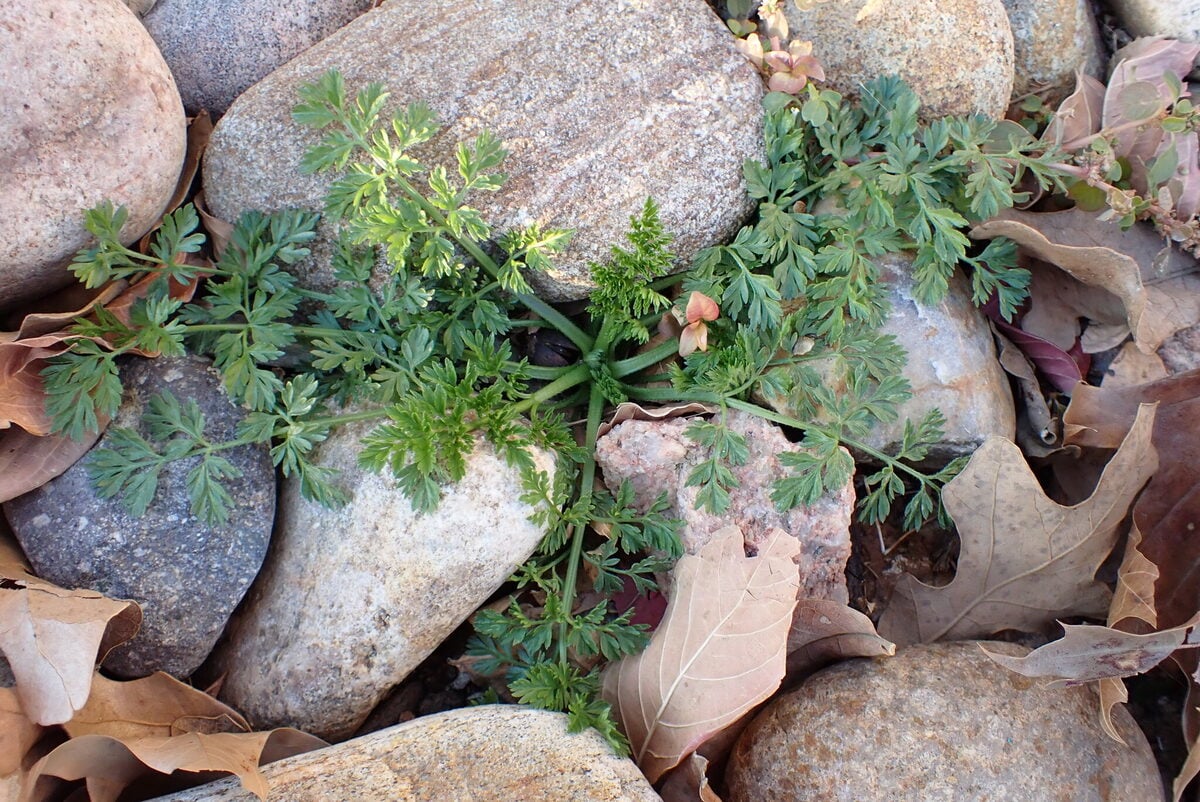
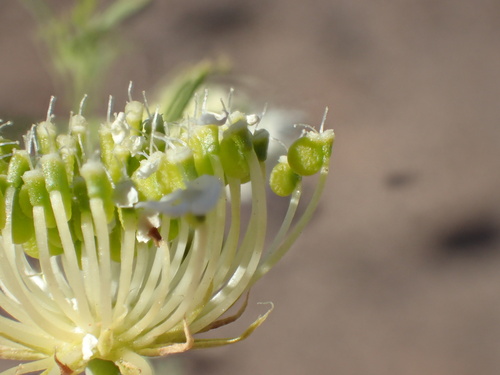
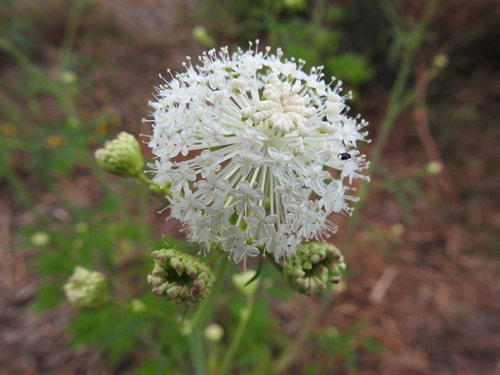
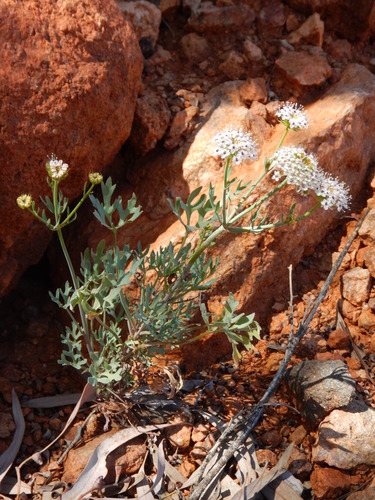
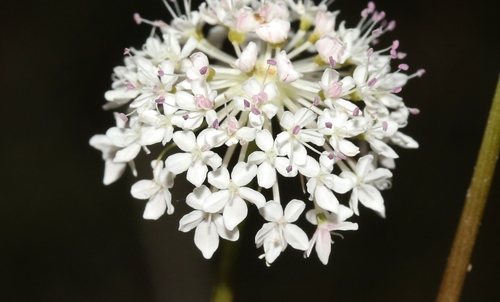
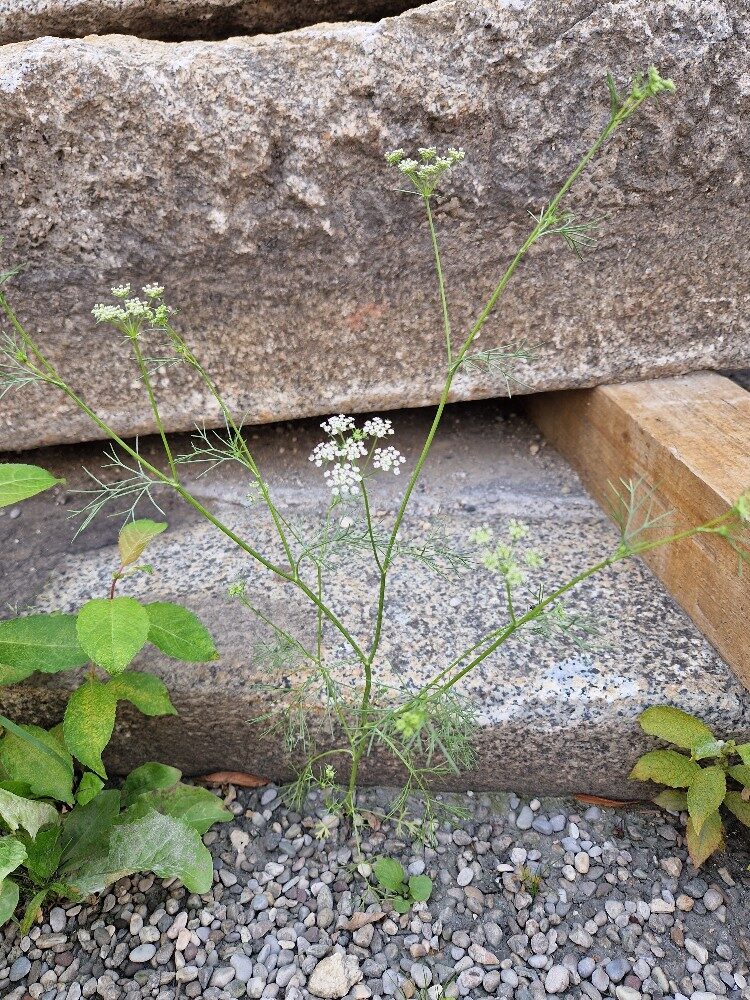
Angelica montana - (J.R.Forst.&G.Forst.)Cockayne.
(J.R.Forst.&G.Forst.)Cockayne.
gbif· cc-by
GBIF
gbif· cc-by
GBIF
gbif· cc-by
GBIF
Description
Angelica montana is a PERENNIAL growing to 1.5 m (5ft). It is not frost tender. The species is hermaphrodite (has both male and female organs) and is pollinated by Insects. The plant is self-fertile. Suitable for: light (sandy), medium (loamy) and heavy (clay) soils. Suitable pH: mildly acid, neutral and basic (mildly alkaline) soils. It can grow in semi-shade (light woodland) or no shade. It prefers moist soil.
Edible Uses
One report says that it is edible and has an anise flavour, the part that is eaten is not specified.
Known Hazards
All members of this genus contain furocoumarins, which increase skin sensitivity to sunlight and may cause dermatitis.
Distribution
New Zealand.
Where It Grows
Coming Soon
Cultivation
We have very little information on this species and do not know how hardy it will be in Britain, though judging by its native range it should succeed outdoors in most parts of this country. Plants are much eaten by domesticated grazing animals in New Zealand. The following notes are based on the general needs of the genus. Requires a deep moist fertile soil in dappled shade or full sun. Plants are reliably perennial if they are prevented from setting seed.
Propagation
Seed - best sown in a cold frame as soon as it is ripe since the seed only has a short viability. Seed can also be sown in the spring, though germination rates will be lower. It requires light for germination. When large enough to handle, prick the seedlings out into individual pots and grow them on in a cold frame for their first winter, planting them out into their permanent positions in the spring. The seed can also be sow in situ as soon as it is ripe.