Cogswellia cous
M. E. Jones
Cow-as
Apiaceae Edible: Roots
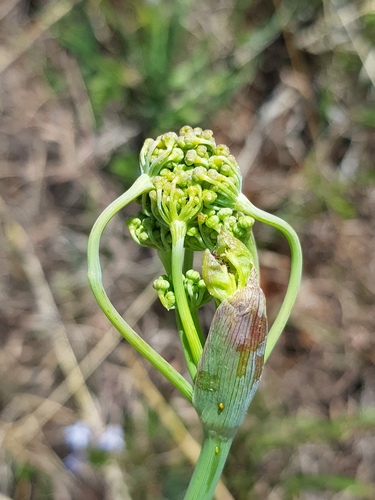
iNaturalist· cc-by-nc
(c) Ednna Stobschinski, some rights reserved (CC BY-NC)
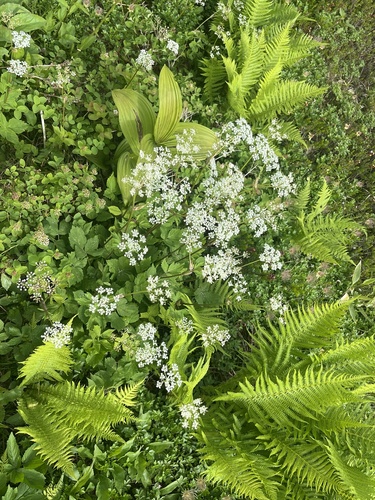
iNaturalist· cc-by-nc
(c) Ednna Stobschinski, some rights reserved (CC BY-NC)
iNaturalist· cc-by-nc
(c) Ednna Stobschinski, some rights reserved (CC BY-NC)
Description
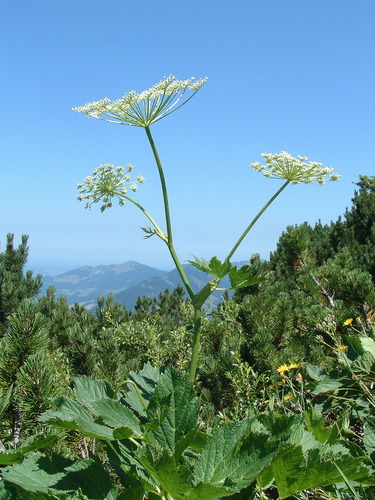
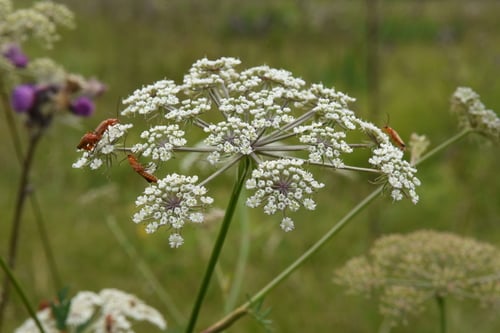
A herb. It grows 10-20 cm tall. The leaves are alternate and divided. The leaflets are narrow.
This description is brief — help expand it
Edible Uses
The roots are eaten fresh or dried and ground into flour with a celery flavour.
Traditional Uses
The roots are eaten and also dried and made into flour. They have a celery flavour.
This uses section is brief — help expand it
Distribution
It is a temperate plant.
Where It Grows
North America, USA,
Synonyms
Lomatium cousPeucedanum cous S. Watson
References (3)
- Beckstrom-Sternberg, Stephen M., and James A. Duke. "The Foodplant Database." http://probe.nalusda.gov:8300/cgi-bin/browse/foodplantdb.(ACEDB version 4.0 - data version July 1994)
- Lim, T. K., 2015, Edible Medicinal and Non Medicinal Plants. Volume 9, Modified Stems, Roots, Bulbs. Springer p 65
- Saunders, C.F., 1948, Edible and Useful Wild Plants. Dover. New York. p 11