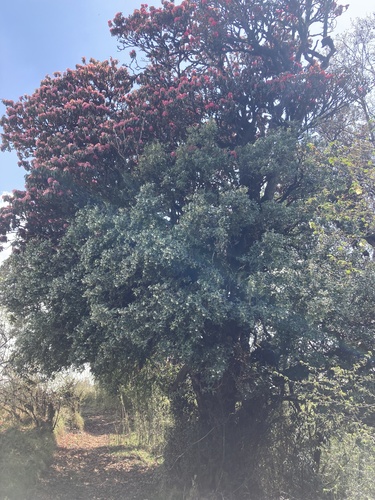
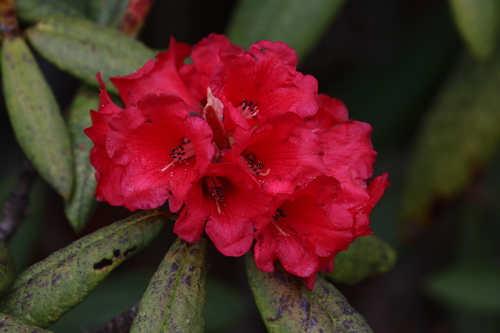
Vaccinium arctostaphylos
L.
Caucasian Whortleberry
iNaturalist· cc-by-nc
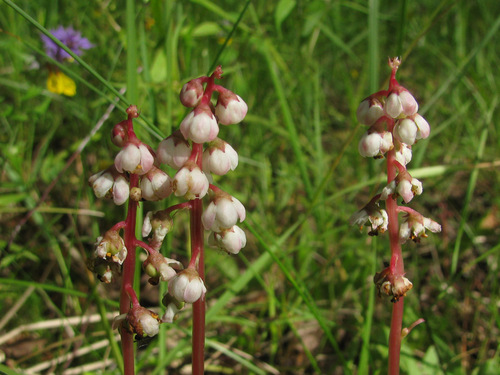
(c) Gennadiy Okatov, some rights reserved (CC BY-NC), uploaded by Gennadiy Okatov
iNaturalist· cc-by
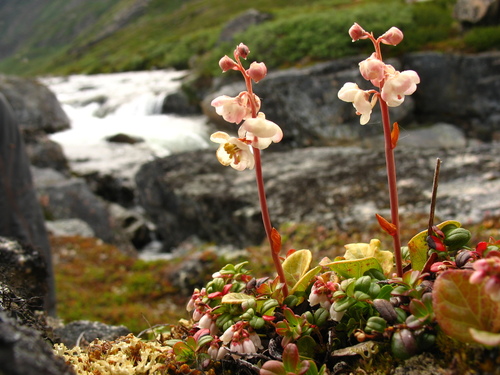
(c) Dmitriy Bochkov, some rights reserved (CC BY), uploaded by Dmitriy Bochkov
iNaturalist· cc-by-nc
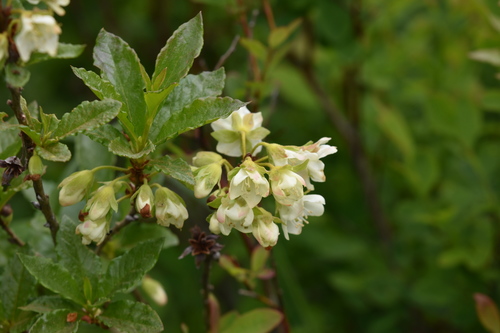
(c) Шильников Дмитрий Сергеевич, some rights reserved (CC BY-NC), uploaded by Шильников Дмитрий Сергеевич
Description
Vaccinium arctostaphylos is a deciduous Shrub growing to 3 m (9ft) by 2 m (6ft). See above for USDA hardiness. It is hardy to UK zone 6. It is in flower from May to July, and the seeds ripen in September. The species is hermaphrodite (has both male and female organs) and is pollinated by Insects. Suitable for: light (sandy) and medium (loamy) soils and prefers well-drained soil. Suitable pH: mildly acid soils and can grow in very acid soils. It can grow in semi-shade (light woodland) or no shade. It prefers moist soil.
Edible Uses
Tea. Fruit - raw or cooked. The fruit is juicy with a slightly acid flavour, it makes an acceptable fruit to nibble on, though it is nothing special. The fruit is usually produced abundantly when the plant is well sited. The pear-shaped fruit is small, about 8 - 10mm in size. The leaves are a tea substitute.
Distribution
Europe - E. Mediterranean to W. Asia.
Where It Grows
TEMPERATE ASIA: Iran (northwest), Turkey (north), Russian Federation-Ciscaucasia (Ciscaucasia), Armenia, Azerbaijan (south), Georgia EUROPE: Bulgaria (southeast)
Cultivation
Requires a moist but freely-draining lime free soil, preferring one that is rich in peat or a light loamy soil with added leaf-mould. Prefers a very acid soil with a pH in the range of 4.5 to 6, plants soon become chlorotic when lime is present. Succeeds in full sun or light shade though it fruits better in a sunny position. A plant growing in fairly heavy woodland shade at Westonbirt Arboretum in Gloucester was fruiting very heavily in September 1996, and we have seen several other plants fruiting well in dappled shade. Requires shelter from strong winds. Dislikes root disturbance, plants are best grown in pots until being planted out in their permanent positions. Closely related to V. padifolium, differing mainly in that species usually being evergreen. Plants in this genus are notably resistant to honey fungus.
Propagation
Seed - sow late winter in a greenhouse in a lime-free potting mix and only just cover the seed. Stored seed might require a period of up to 3 months cold stratification. Another report says that it is best to sow the seed in a greenhouse as soon as it is ripe. Once they are about 5cm tall, prick the seedlings out into individual pots and grow them on in a lightly shaded position in the greenhouse for at least their first winter. Plant them out into their permanent positions in late spring or early summer, after the last expected frosts. Cuttings of half-ripe wood, 5 - 8cm with a heel, August in a frame. Slow and difficult. Layering in late summer or early autumn. Another report says that spring is the best time to layer. Takes 18 months. Division of suckers in spring or early autumn.