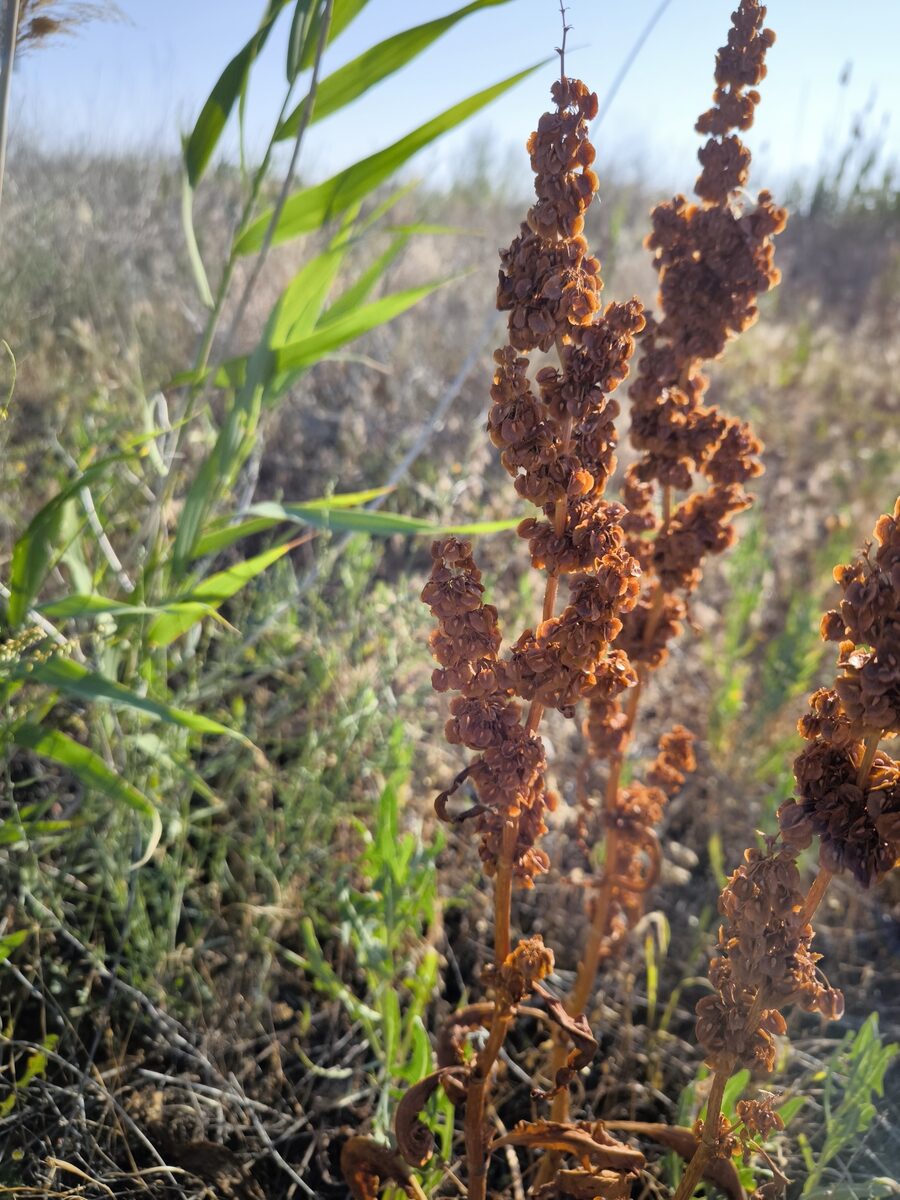
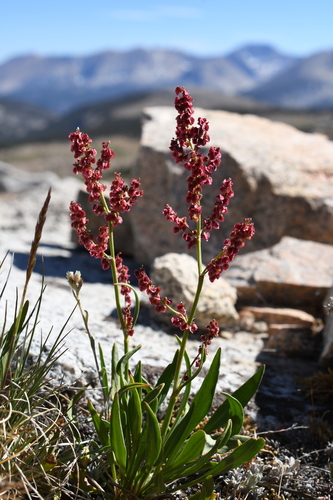
Rumex papillaris
Boiss. & Reut.
Acedera
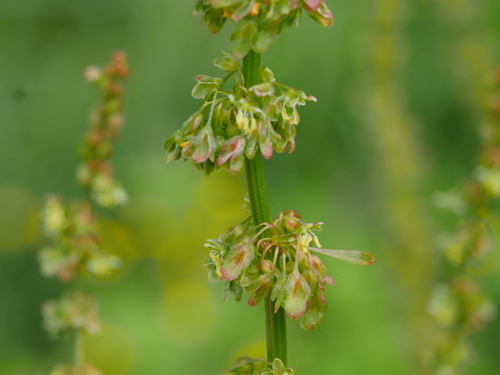
iNaturalist· cc-by-nc
(c) Ángel Fernández Cancio, some rights reserved (CC BY-NC), uploaded by Ángel Fernández Cancio
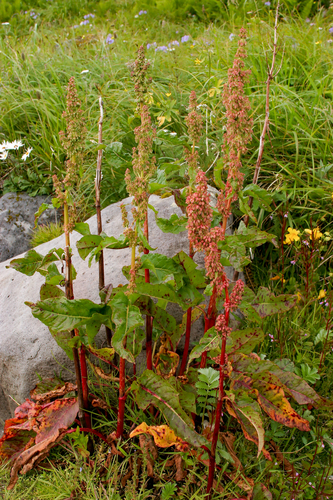
iNaturalist· cc-by-nc
(c) Ángel Fernández Cancio, some rights reserved (CC BY-NC), uploaded by Ángel Fernández Cancio
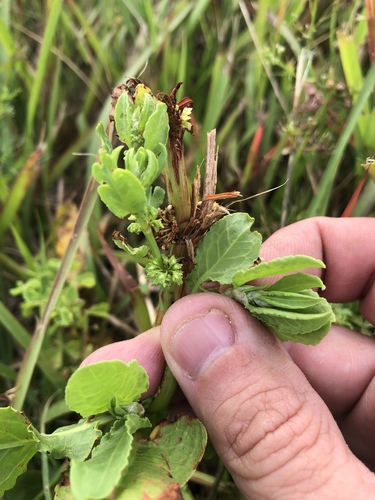
iNaturalist· cc-by-nc
(c) Ángel Fernández Cancio, some rights reserved (CC BY-NC), uploaded by Ángel Fernández Cancio
Description
Rumex papillaris is an evergreen Perennial growing to 0.2 m (0ft 8in) by 0.1 m (0ft 4in) at a fast rate. See above for USDA hardiness. It is hardy to UK zone 7. The flowers are pollinated by Wind, Insects, Butterflies. It is noted for attracting wildlife. Suitable for: light (sandy), medium (loamy) and heavy (clay) soils, prefers well-drained soil and can grow in nutritionally poor soil. Suitable pH: mildly acid, neutral and basic (mildly alkaline) soils. It cannot grow in the shade. It prefers dry or moist soil and can tolerate drought.
Edible Uses
A wild food plant . Basal leaves are eaten raw or for seasoning and flavouring. The tender leaves of Rumex papillaris offer several positive dietary benefits. They have a low energy value (less than 40 kcal per 100 grams) and are a good source of dietary fibre (more than 3 grams per 100 grams). They contain a high proportion of polyunsaturated fatty acids (PUFA) and omega-3 fatty acids compared to other vegetables. Additionally, they have very low sodium content (less than 40 mg per 100 grams) and can be a good source of manganese, vitamins C and B9 (folates), and occasionally potassium. However, the leaves can have high levels of oxalates, so boiling is recommended for safe consumption by the general population. Widely used in the past and currently still in use but affected by changes in land use .
Medicinal Uses
Antioxidan Properties
Distribution
Endemic to the Iberian Peninsula.
Where It Grows
Native to: Portugal, Spain.
Cultivation
This species is harvested in the wild. Mediterranean climate. Branching rhizomes. A dioecious plant.
Propagation
Seed.
Other Uses
Rumex species are used as food plants by the larvae of several Lepidoptera species and are the only host plants of Lycaena rubidus.
Synonyms
Also Known As
Spanish: Acedera. Spanish Sorrel. Spanish Dock.